Best Time to Visit Pawleys Island, SC
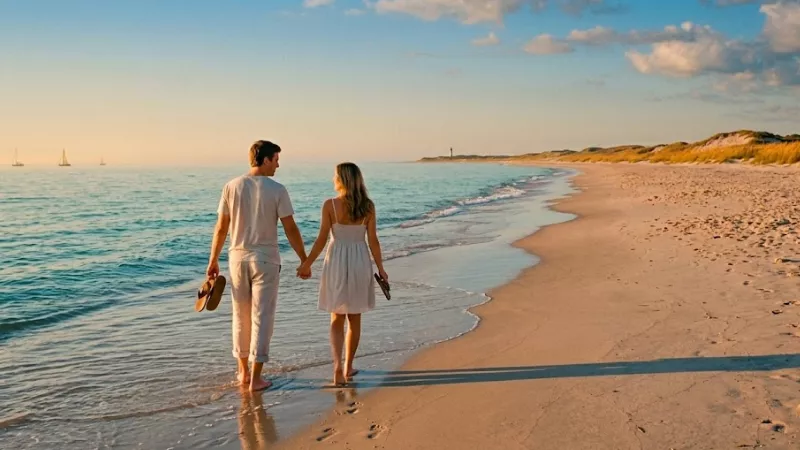
Pawleys Island has been drawing people to its barrier island beaches since the 1700s, and for most of that history, summer was the only answer anyone gave. That’s still what the majority of visitors do. It’s also the most expensive, most crowded, and most humid version of the place.
Fall and late spring are the best times to visit Pawleys Island for most travelers. You get real beach weather, an ocean warm enough to swim in, fewer people on the sand, and rates that come down noticeably from peak summer. That said, every season here has a legitimate case, and the right timing depends on what kind of trip you’re planning. This guide breaks down all four seasons, including an underrated early-summer window most people miss, so you can pick the one that actually fits.
When Is the Best Time to Visit Pawleys Island?
October is the single best month for most visitors. The ocean is still warm enough to swim, highs sit in the low-to-mid 70s, humidity drops, and summer crowds are gone. Fall overall (September through November) and late spring (late April through May) offer the best balance of weather, value, and breathing room on the beach. Summer is the right call for families locked into school schedules. Winter is genuinely underrated for budget travelers and anyone who just wants the beach to themselves.
Spring (March through May): Best for Mild Weather and Value
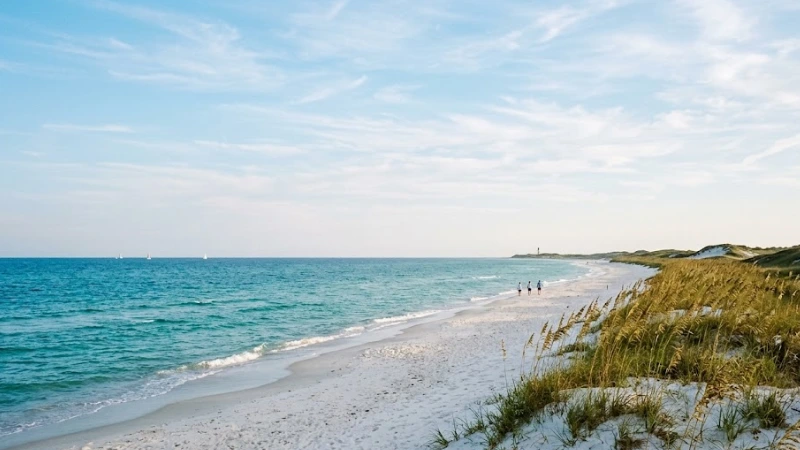
Spring is the season where Pawleys Island starts to feel like itself again after a quiet winter, and it hits a window that summer never quite reaches: good weather, manageable crowds, and rates that haven’t peaked yet.
What the Weather Actually Feels Like in Spring
March runs cool, with highs in the low-to-mid 60s and water temperatures too cold for comfortable swimming. It’s fine for beach walks and getting out to Brookgreen Gardens before the season picks up, but don’t plan a trip around the water.
By mid-April, temperatures push into the low 70s and the humidity stays low compared to what’s coming. Late April through May is where spring delivers its best stretch: highs in the mid-70s, ocean temps warming up to the upper 60s and low 70s, enough warmth to swim without the punishing humidity of July. That combination is genuinely hard to replicate at any other time of year.
What Spring Is Good For (and What It’s Not)
Spring is a strong season for anyone whose trip centers on more than just beach time. Birding through the salt marshes peaks in spring as migration brings species through the Hammock Coast region. Kayaking the creek is more comfortable when it’s not 90 degrees. Brookgreen Gardens is far more enjoyable in spring temperatures than in summer heat, and most of what there is to do in Pawleys Island outside the water opens up fully once April arrives.
The one honest tradeoff: ocean swimming in March and early April is cold. If swimming is the whole point of the trip, target late April at the earliest, or just go in May.
Golf runs well through spring too. The courses around Pawleys Island are in good shape after winter, temperatures are manageable for a full 18, and tee times are easier to get than during peak summer.
| Factor | Spring |
| Temperatures | 62–78°F (rising through the season) |
| Crowds | Low in March, moderate by May |
| Rental rates | Moderate; rising toward Memorial Day |
| Ocean swimming | Cold until late April, comfortable in May |
| Hurricane risk | None |
Early Summer (Late May through Mid-June): The Underrated Sweet Spot
This window doesn’t get enough attention in most Pawleys Island guides, and that’s part of what makes it worth knowing about.
Late May through mid-June gives you everything summer delivers at a fraction of the cost and crowds. The water is warm. Highs are in the high 70s to low 80s. The island is open, restaurants are running their full menus, and beach rentals on Pawleys Island haven’t hit peak-week pricing yet.
The school calendar is why this window works. Families with kids aren’t here in force until mid-to-late June. That means the beaches are genuinely open, parking is manageable, and you can get a table at the better spots on the mainland without a long wait.
If you have flexibility in your schedule, late May or early June is the sharpest timing available for a Pawleys Island beach trip. You get summer conditions without the summer infrastructure strain.
| Early Summer (late May–mid-June) | Peak Summer (mid-June–August) | |
| Temperatures | High 70s–low 80s | Mid 80s–low 90s |
| Humidity | Moderate | High |
| Crowds | Low to moderate | High |
| Rental rates | Below peak | Peak pricing |
| Ocean swimming | Warm and comfortable | Best of the year |
Peak Summer (Mid-June through August): For Families and Beach-First Travelers
Summer is the most popular time to visit Pawleys Island for a reason. The ocean is at its warmest, the days are long, and the entire beach operation is fully open. For families with school-age kids, this is often the only realistic window, and for that purpose, it works well.
Highs run from the mid-80s to around 90°F through July and August, with overnight lows staying warm. The humidity is real and worth factoring in, especially if you’re planning anything active beyond the water. A midday walk to the beach in August is a different experience than the same walk in October.
What to Expect with Crowds and Pricing
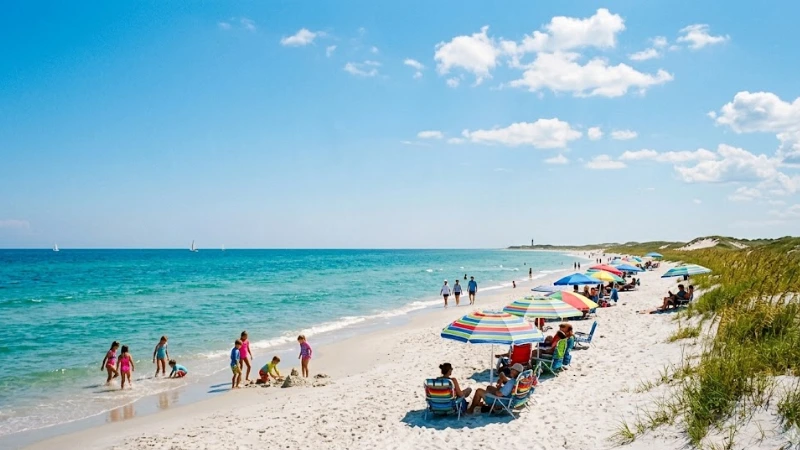
July is the busiest month on the island. Rentals on the barrier island itself go fast, and the best properties book weeks or months in advance. If you’re planning a summer trip, especially a peak-week stay between the Fourth of July and Labor Day, early booking matters. The vacation rentals available on Pawleys Island fill up fast for July and August, so locking in your property well before your travel window saves both money and frustration.
Dining on the mainland near the Hammock Shops area gets busy on summer evenings. Reservations help at the better spots, and the restaurants worth booking ahead in Pawleys Island fill up faster in summer than any other time of year.
Hurricane Season: What the Risk Actually Looks Like
Hurricane season runs June through November, with the highest-risk period concentrated in August and September. A direct hit in any given year is statistically unlikely, but the risk is real enough to plan around.
If you’re visiting in August, get travel insurance that covers weather-related cancellations and book refundable accommodations where possible. Check forecasts the week before your trip. The vast majority of summer visits happen without any storm disruption, but being prepared is cheap compared to an uncancellable trip that can’t move.
| Factor | Peak Summer |
| Temperatures | 85–90°F |
| Crowds | High (July is peak) |
| Rental rates | Highest of the year |
| Ocean swimming | Best of the year |
| Hurricane risk | Low to moderate; highest late August–September |
Fall (September through November): The Local Favorite
Ask people who come back to Pawleys Island every year when they actually prefer to go, and a lot of them will say October. The answer is consistent enough that it’s worth taking seriously.
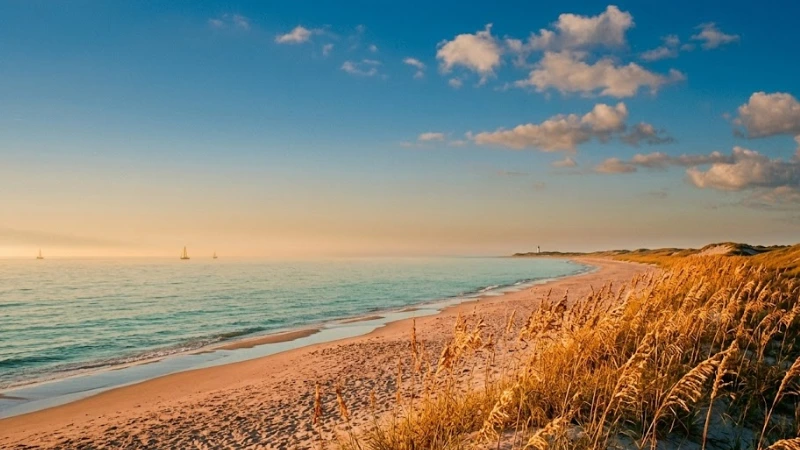
The summer crowd is gone after Labor Day. The ocean stays warm enough to swim comfortably through most of October. Temperatures drop into a range that makes outdoor time genuinely pleasant rather than something to push through. This is when the island feels like the unhurried version of itself that the reputation promises.
Why October Beats September
September is still fall on paper, but it sits inside the highest-risk window of hurricane season. The combination of real storm risk and lingering summer-level humidity makes September a less reliable choice. October is where fall actually delivers: risk drops, humidity eases, highs land in the low-to-mid 70s, and the ocean holds onto warmth from summer well into the month.
November cools down quickly. Ocean swimming becomes uncomfortable for most people by mid-November, and highs start dropping into the 60s. It’s still a valid time to visit for beach walks and non-beach activities, but it’s no longer a beach trip in the traditional sense.
Fall Events Worth Planning Around
Fall brings a few specific draws that don’t exist at other times of year. The Pawleys Island Festival of Music and Art runs in October at Brookgreen Gardens, with live performances and exhibitions in a setting that works well for the format. Taste of the Coast, a mid-October culinary event, features local restaurants and seafood-focused menus.
Birding through the salt marshes is also worth noting in fall. Migration brings species through the coastal wetlands that aren’t present in summer, and the temperatures make a morning on the water actually enjoyable. The full range of outdoor activities and attractions in Pawleys Island opens up more comfortably in fall than any other season.
| Factor | Fall |
| Temperatures | 65–85°F (dropping through November) |
| Crowds | Low after Labor Day; very low by November |
| Rental rates | Below peak; good value in October–November |
| Ocean swimming | Comfortable through October |
| Hurricane risk | September risk; October mostly clear |
Winter (December through February): Quiet, Cheap, and Honestly Worth It
Winter is not a traditional beach trip by any measure. Highs run from the low 40s to the low 60s through January and February, the water is cold, and swimming is off the table. That’s the honest version.
What winter offers instead is simplicity and real value. Rental rates drop to their lowest point of the year. The island is quiet in a way that’s peaceful rather than deserted. A morning beach walk with no one else around is something that’s essentially impossible in July and entirely routine in January.
The non-beach attractions hold up well. Brookgreen Gardens operates year-round and is genuinely better in winter for anyone who wants to walk through it without crowds. Huntington Beach State Park is a solid choice for birding through the colder months. The dining options near Pawleys Island stay open through winter, and without summer wait times, a low-pressure dinner out is a better experience than the same meal in July.
Winter also makes sense as the window to compare before you commit. If you’re still weighing whether Pawleys is the right fit versus its neighbors, the breakdown of Pawleys Island versus Myrtle Beach and Litchfield lays out the cost and character differences in detail, and those gaps are most visible in the off-season when crowds aren’t masking them.
| Factor | Winter |
| Temperatures | 42–62°F |
| Crowds | Very low |
| Rental rates | Cheapest of the year |
| Ocean swimming | Not practical |
| Hurricane risk | None |
Best Time to Visit Pawleys Island by Trip Type
| Traveler Type | Best Season | Why |
| Families with school-age kids | Peak summer (June–August) | School calendar, warm water, full beach operation |
| Couples / adults-only | October | Best weather-to-crowd ratio; easier dining without summer waits |
| Budget travelers | Winter or November | Lowest rates; non-beach attractions still solid |
| Golfers | Spring or fall | Comfortable temperatures, good course conditions, easier tee times |
| Birders / nature travelers | Spring or fall | Migration seasons; kayaking and marsh access in good conditions |
| First-time visitors | Late April–May or October | Good intro to the island without peak-season pressure |
| Families flexible on timing | Late May–mid-June | Summer conditions at below-peak prices and crowds |
Is Pawleys Island Expensive? What Prices Look Like by Season
This depends almost entirely on when you go and whether you’re staying on the island itself or on the mainland nearby.
Peak summer, especially July Fourth through Labor Day, is when Pawleys Island costs the most. Oceanfront rentals on the barrier island are the priciest option at any time of year, and they run highest during peak weeks. Booking late in this window means limited availability and no leverage on price.
Spring and fall bring rates down meaningfully. October in particular offers a combination of good conditions and lower prices that’s hard to find at most South Carolina beach destinations. Winter is the cheapest period by a clear margin.
Compared to Myrtle Beach, Pawleys Island generally runs quieter and, outside of peak summer, more affordable on comparable properties. The tradeoff is fewer options overall and a more limited dining and entertainment scene. That tradeoff is the whole point for most people who choose Pawleys. If you’re still deciding between the two, the full Pawleys Island vs Myrtle Beach vs Litchfield comparison covers that in detail.
For a first-time visit in any season, the 2-day Pawleys Island weekend plan is a useful starting point, and it’s built to work across seasons with simple adjustments for water temperature and what’s open.
FAQ
What month is the best to visit Pawleys Island?
October. The ocean is still warm enough to swim, crowds are down after Labor Day, temperatures are in the low-to-mid 70s, and humidity is lower than summer. It’s the best single-month window for most travelers.
Is Pawleys Island good in September?
September can work, but it’s the highest-risk month for hurricanes on the South Carolina coast. If you’re visiting in September, book refundable accommodations and get travel insurance. October is a more reliable choice with similar weather and lower risk.
What’s the weather like in Pawleys Island in winter?
Highs in the low 40s to low 60s from December through February, with cold water and little humidity. No snow to speak of. It’s not a swimming trip, but beach walks, birding, and Brookgreen Gardens all work fine in winter temperatures.
When does Pawleys Island get crowded?
July is the peak, with crowds building from mid-June onward. The island empties out quickly after Labor Day. By October it’s noticeably quiet.
Is Pawleys Island worth visiting outside of summer?
Yes, and for most travelers who aren’t tied to school schedules, fall and late spring are actually the better visits. The beaches are more open, the weather is more manageable, and the whole experience is closer to what Pawleys Island’s reputation actually promises.