Island Park vs West Yellowstone: Which Yellowstone Gateway Is Right for You?
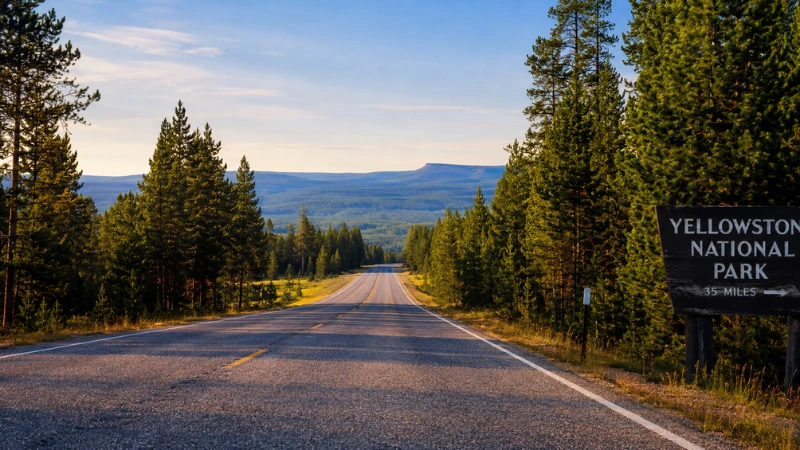
Most people book West Yellowstone by default because it’s the name they recognize. Island Park, Idaho sits 22 miles south on the same highway, costs significantly less per night, and puts you in a private cabin instead of a motel room, yet it rarely comes up until a local or a repeat visitor mentions it. That’s the gap this article closes.
If you’re weighing Island Park vs West Yellowstone for a Yellowstone trip, the short answer is this: West Yellowstone wins for short, fast visits where walkability matters; Island Park wins for groups, families, and multi-night stays where space, quiet, and cost matter more than proximity. This guide walks through exactly how those trade-offs play out across lodging, dining, the morning drive, and what happens outside the park.
Island Park vs West Yellowstone at a Glance
| Factor | Island Park, ID | West Yellowstone, MT |
|---|---|---|
| Distance to West Entrance | ~22 miles, 30 min | At the gate |
| Typical lodging type | Private cabins, vacation homes | Hotels, motels |
| Summer nightly rate | $180–$450 (cabin, full kitchen) | $280–$650 (hotel/motel) |
| Kitchen access | Yes — most cabins | Rarely |
| Walkable restaurants | No — driving required | Yes, 30+ options in town |
| Grocery access | Small markets; stock up before arrival | Small in-town options |
| Summer crowds | Low, spread out | High — parking pressure in peak weeks |
| Wildlife near lodging | High (moose, elk, eagles common) | Low — town setting |
| Fishing (Henrys Fork / Henrys Lake) | Minutes away | 20–40 min drive south |
| Sales tax | Idaho ~6% | Montana 0% state + lodging tax |
| Best trip length | 3+ nights | 1–2 nights |
| Best for | Families, groups, cabin-style stays | Short visits, solo travelers, walkability |
What the Drive from Island Park Is Actually Like
The 22-mile drive from Island Park to Yellowstone’s West Entrance follows US-20 north — a flat, well-paved two-lane highway through open lodgepole pine forest. No mountain passes. No switchbacks. In normal summer conditions it takes 28–32 minutes from the middle of Island Park’s main corridor, though because the community stretches 33 miles along the highway, your specific cabin location matters.
Peak July mornings can add 10–15 minutes at the West Entrance gate. Frequent visitors note that leaving Island Park around 7:00–7:30 a.m. consistently gets you through before lines build. Once inside the park, the drive to the main geyser basin is the same from either basecamp; the park’s internal roads don’t care where you slept.
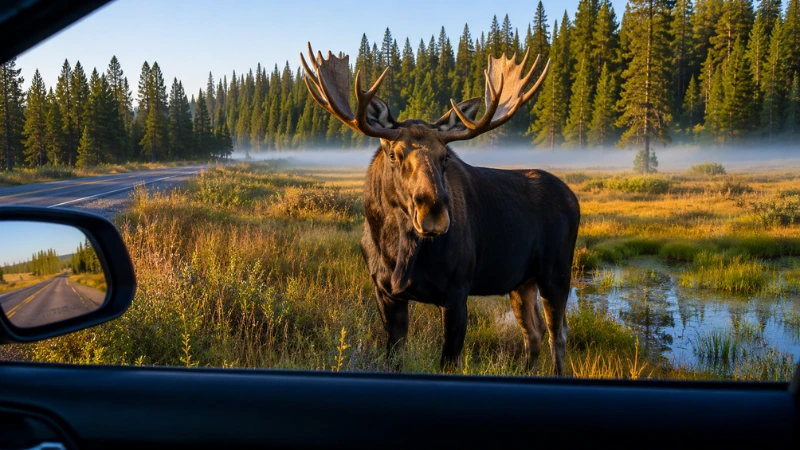
One thing first-timers don’t expect: wildlife shows up before you’ve even crossed into Montana. Moose are common along US-20 in the early morning, and many guests find themselves pulling over for sightings before the park begins. That doesn’t happen on the walk from a West Yellowstone motel to the entrance gate.
Lodging: Cabins vs Hotel Rooms
West Yellowstone’s lodging inventory is almost entirely hotels and motels. A handful of vacation rentals exist in and around town, but the dominant product is a standard hotel room: two beds, one bathroom, a parking lot outside. During peak summer weeks, a decent room runs $280–$450 per night. For a group of six needing two rooms, the nightly cost scales fast.
Island Park skews entirely the other way. The primary lodging product is the private cabin or vacation home with multiple bedrooms, a full kitchen, a deck or fire pit, and often a hot tub. If you’re researching the best cabins in Island Park, Idaho, you’ll find options ranging from budget-friendly riverside rentals to luxury lodges sleeping eight or more — and a cabin at that size typically costs less per night than two West Yellowstone hotel rooms combined.
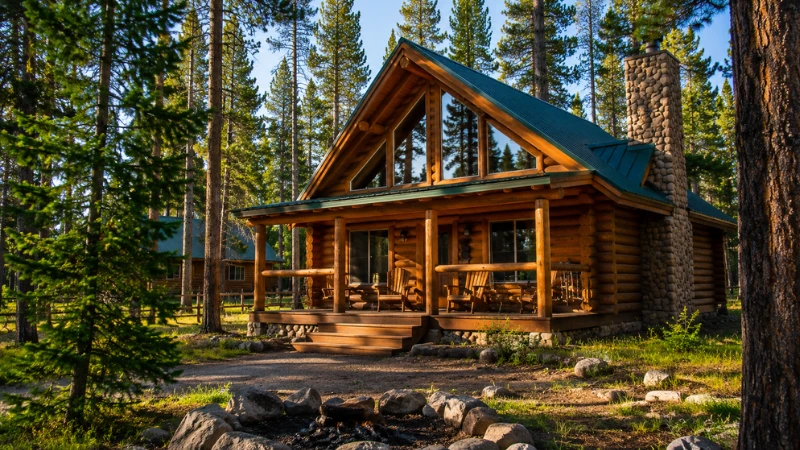
The difference shows up most at the end of a long park day. After eight hours of walking geyser boardwalks and scanning Hayden Valley for bison, coming back to a cabin with a hot tub and a kitchen is a different experience than returning to a motel room with the parking lot outside. For families with young children, having separate sleeping zones and the ability to cook a simple dinner at the cabin matters more than 30 minutes of driving each morning.
West Yellowstone does have one real advantage here: walkability. Park once when you arrive, walk to coffee the next morning, walk to dinner that night, walk to the entrance gate. For a couple on a tight two-night itinerary who don’t want to manage logistics, that simplicity is genuinely valuable.
Dining: The Honest Version
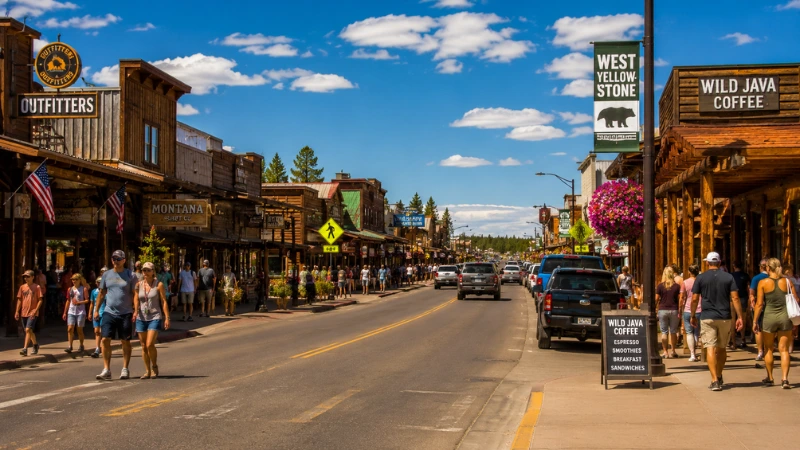
West Yellowstone has a real restaurant scene for a town of its size over 30 options including sit-down spots, breweries, pizza, and breakfast cafes within walking distance of most hotels. After a full day in the park, you can walk to dinner without planning ahead.
Island Park’s dining situation is more limited, and it’s worth being direct about this. The community has a handful of local restaurants and bars scattered along the 33-mile highway corridor, but nothing close to a walkable dining district. Some cabins are 10 or more miles from the nearest sit-down restaurant.
The standard fix is stocking the cabin. Full-size grocery stores are in Ashton (roughly 20 miles south of Island Park) or further south in Rexburg and Idaho Falls. Planning a grocery run before settling into your cabin is standard practice among repeat visitors. For families cooking most meals at the cabin anyway, the dining gap largely disappears — and the savings on meals often offset a meaningful portion of the overall trip cost. For a group expecting restaurants every night, West Yellowstone fits better.
What You Can Do in Island Park Beyond the Park
This is where the comparison shifts. West Yellowstone has the Grizzly and Wolf Discovery Center and an IMAX theater, both worth a few hours. Outside those two, the town is a service corridor for park visitors — gas, food, gear, souvenirs. That’s useful; it just isn’t recreation.
Island Park has outdoor depth that keeps people busy on non-park days entirely. The full picture of things to do in Island Park, Idaho goes well beyond a Yellowstone day trip — the area holds up as a destination in its own right.
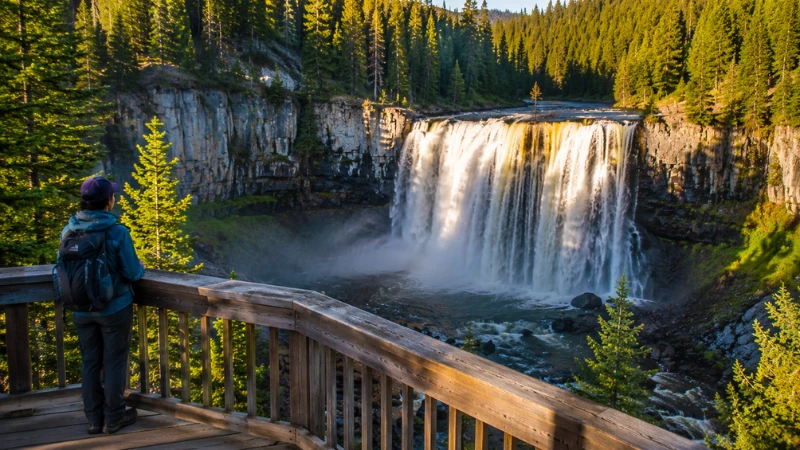
Mesa Falls is one of the most underrated waterfalls in the region, a short detour off US-20 that most Yellowstone visitors drive past without stopping. Upper and Lower Mesa Falls together are worth a half-day.
Henrys Fork of the Snake River is one of the most respected fly-fishing rivers in the country, drawing serious anglers from across the US each season. Henrys Lake is a productive fishery for cutthroat-rainbow hybrids. Big Springs is one of the largest natural springs in the US and has a short flat trail with reliable wildlife sightings. Harriman State Park offers 16,000 acres of trails and wildlife habitat with no entrance fee.
For anyone interested in ATV trails, kayaking, or paddleboarding on the Island Park Reservoir, there’s a full activity menu that has nothing to do with Yellowstone.
How Winter Changes the Comparison
In summer, the Island Park vs West Yellowstone decision is primarily convenience versus value. In winter, it shifts more decisively toward Island Park for a specific type of traveler.
From roughly December through March, Island Park sits at the edge of one of the largest groomed snowmobile trail networks in the country. Many cabins connect directly to trails. Rental shops operate locally. Yellowstone is still accessible from the West Entrance via snowmobile or snow coach, so the two-activity combination — snowmobiling in Island Park plus a snow-coach day in Yellowstone — is a popular winter itinerary that Island Park makes easy and West Yellowstone does not replicate in the same way.
West Yellowstone is also a well-known snowmobile town with rental shops and trail access. The difference is setting: you’re operating from a tourist-strip motel rather than a cabin in the forest. For snowmobilers specifically, the Island Park cabin experience tends to match what they’re looking for better.
For fall shoulder season (September and October), Island Park gets quieter, rates drop, and the elk rut adds a wildlife dimension that peak summer crowds can’t touch. Spring is mud season on both sides — some Island Park cabin access roads require 4WD through April.
Who Should Choose Island Park vs West Yellowstone
Choose Island Park if:
- You’re staying 3 or more nights
- You’re traveling with a group of 4 or more people
- You want a full kitchen and plan to cook most meals
- Fishing, ATV trails, snowmobiling, or hiking outside the park matters to your trip
- You want real outdoor space at your lodging: a deck, fire pit, hot tub, yard
- You’re cost-focused and a cabin sleeping 6–8 makes more financial sense than multiple hotel rooms
- You want wildlife encounters around your lodging, not just inside Yellowstone
Choose West Yellowstone if:
- You have 1 or 2 nights and want to maximize time in the park with minimum logistics
- You’re traveling solo or as a couple with no need for a kitchen
- You want to walk to dinner and coffee without driving
- You’re arriving by bus or guided tour
- You want access to the Grizzly and Wolf Discovery Center or the IMAX theater
- Saving 30 minutes of driving each morning is more important than anything else on this list
Frequently Asked Questions
Is Island Park too far from Yellowstone to use as a base?
No. The drive is 22 miles on US-20, a flat and straightforward highway with no passes. Most guests report that after the first morning, the drive feels completely routine. Old Faithful is roughly 75 minutes from most Island Park cabins — longer than from West Yellowstone, but manageable when you leave early and avoid mid-morning entrance congestion.
How much cheaper is Island Park compared to West Yellowstone?
For multi-bedroom cabins, Island Park typically runs 30–40% less per night than comparable West Yellowstone accommodations in peak summer. The savings are most significant for groups of 4–8, where one Island Park cabin replaces 2–3 hotel rooms. Solo travelers and couples may find the savings less dramatic, especially if they don’t need a kitchen.
Does Island Park have restaurants and grocery stores?
There are a handful of restaurants and small markets along US-20, but not a walkable dining district. Most visitors stock up on groceries in Ashton (roughly 20 miles south) before arriving at their cabin. Island Park works best for travelers willing to cook most meals. If dining out every night is a priority, West Yellowstone is the better fit.
Which is better for families with kids?
Island Park is generally the stronger family choice for trips of 3 or more nights. Multiple bedrooms, a full kitchen, a hot tub, outdoor space, and lower rates for large groups add up to a more comfortable daily rhythm — especially for families with young children who benefit from a real home base. For help picking the right property, the best cabins in Island Park, Idaho guide breaks options down by traveler type and area. West Yellowstone works well for short family trips where walkability and simplicity are the priority.
Can you visit both Yellowstone and Grand Teton from Island Park?
Yes. The West Entrance to Yellowstone is 30 minutes north. Grand Teton is accessible via the Ashton-Flagg Ranch Road in summer (a seasonal dirt road) or via a longer paved route through Ashton and Swan Valley. Most visitors who want both parks plan 4–5 nights and dedicate separate days to each.