Best Time to Visit Island Park, Idaho
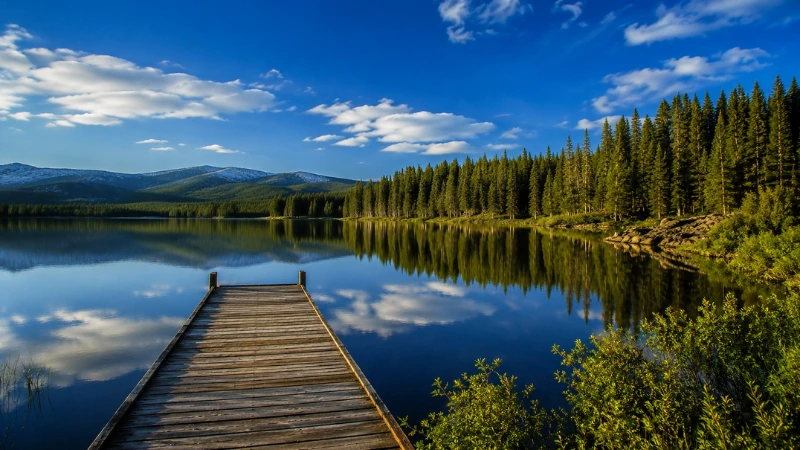
Most people assume July is the obvious answer for Island Park. And July is beautiful — warm days, long evenings, Henry’s Lake full of boats, kids tubing the Henry’s Fork. But it’s also the most crowded the area gets all year, fishing gets genuinely tough in the afternoon heat, and cabins book out months in advance. If you’re a fly angler, a wildlife watcher, or someone who wants the forest to feel quiet, July might actually be your worst choice.
The best time to visit Island Park, Idaho depends entirely on what you’re going there to do. Summer delivers the warmest weather and the widest range of activities. Fall offers the best fishing, dramatic foliage, and half the crowds. Winter is a legitimate snowmobiling destination with 500+ miles of groomed trails. And spring brings a peaceful, low-key version of the place before the season kicks in. This guide breaks it down by season so you can match your priorities to the calendar.
Island Park Season at a Glance
| Season | Temps (High/Low) | Best For | Crowd Level | Key Watch-Out |
| Summer (Late June–Mid Aug) | 70–80°F / 40–50°F | Swimming, boating, tubing, hiking | High | Afternoon fishing tough; cabins book fast |
| Late Summer (Mid-Aug–Labor Day) | 70–78°F / 40–46°F | Everything — best all-around window | Moderate | Short window; Labor Day weekend spikes |
| Fall (Sept–Oct) | 40–67°F / 25–35°F | Fishing, foliage, wildlife, hiking | Low–Moderate | Weather turns fast after mid-Oct |
| Winter (Dec–Feb) | 20–32°F / -5–15°F | Snowmobiling, ice fishing, snowshoeing | Moderate (Presidents Day weekend: high) | Very cold; Highway 20 closures possible |
| Spring (Apr–Early June) | 40–60°F / 25–40°F | Quiet escapes, Mesa Falls, early fishing | Very low | Forest roads closed; June mosquitos variable |
Summer in Island Park: Late June to Mid-August
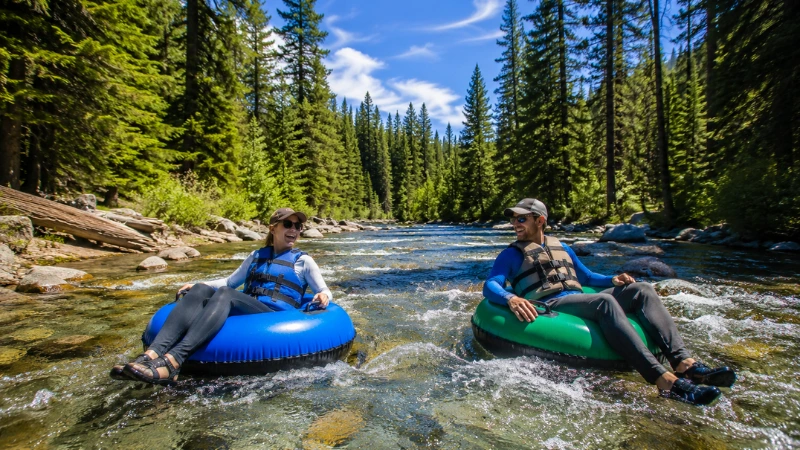
Island Park’s peak season runs from the 4th of July through early August, and the place earns it. Days reach the mid-70s to low 80s, the Island Park Reservoir and Henry’s Lake are warm enough for swimming and boating, and the Henry’s Fork is perfect for inner-tubing. Wildflowers are at full peak from late June through July, and the trails around Harriman State Park are green and accessible.
The Henry’s Fork opens to fly fishing around mid-June with the Green Drake hatch — one of the most celebrated dry-fly events in the country. Serious anglers plan around this window specifically. By mid-July through August, though, afternoon temperatures push fish down and fishing is best done early morning before the heat builds.
A few realities worth knowing before you book:
Crowds peak hard around the 4th of July and stay elevated through early August. Cabin rentals go fast — some regulars book the following year before they leave. If you want to swim, boat, and have a true mountain summer experience without overthinking logistics, this is your window. Just go in knowing it’s the most popular the area gets.
Huckleberries ripen right around early August along forest edges. Repeat visitors plan around this, and it’s genuinely worth timing if you’re flexible. For a full list of warm-weather activities worth adding to your itinerary, check out Things to Do in Island Park, Idaho.
The Late-Summer Sweet Spot: Mid-August to Labor Day
This is arguably the best two-to-three-week window of the year, and not enough visitors know about it. After schools start in early August, crowds drop noticeably. The water is still warm enough for swimming and tubing. Evenings cool off beautifully. Mosquitos are essentially gone. And the fishing starts to improve as temperatures ease and fish become more active.
Yellowstone is also starting to thin out at this point — day trips from Island Park feel more manageable. A few aspen groves even start to hint at fall color by late August, giving you a preview of what’s coming.
The catch: Labor Day weekend spikes back up. If you’re coming this time of year, aim for the week after school starts through the Thursday before Labor Day weekend, then decide whether to stay through the holiday or leave before it hits.
Fall in Island Park: September and October
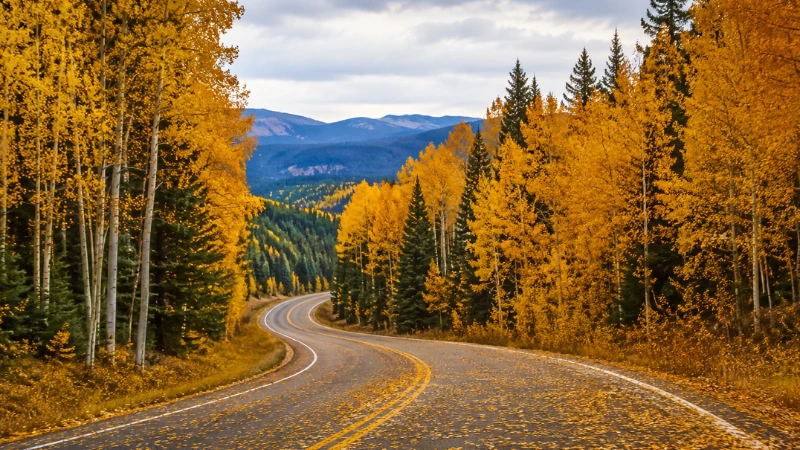
Frequent visitors with decades of experience in the area consistently name mid-September through October as a favorite time of year. Traffic drops by roughly half after Labor Day (outside of weekend bumps). The forest gets quiet. Daytime temperatures run from the mid-50s to mid-60s in September, cooling into the 40s and 50s by October. Mornings are crisp, afternoons are comfortable, and the aspen and lodgepole forest turns gold and orange in a way that genuinely stops you mid-hike.
Fishing is at its best. Cooler water temperatures push fish to higher activity levels throughout the day, not just the early morning window you need in July. Fly anglers who know the Henry’s Fork specifically target late September and October for grasshopper patterns and thinned-out crowds. If you want the Things to Do in Island Park, Idaho experience without competing for a parking spot, this is the season.
Wildlife viewing picks up significantly in fall as well. Harriman State Park hosts sandhill crane migrations, elk are in the middle of rut, and you’re likely to see bison, moose, and waterfowl in higher concentrations than summer.
Keep one thing in mind: by mid-October, winter can arrive fast. Expect frost every morning and occasional early snowstorms. Yellowstone’s West Entrance typically closes the first Monday of November — more on that below.
Winter in Island Park: December through February
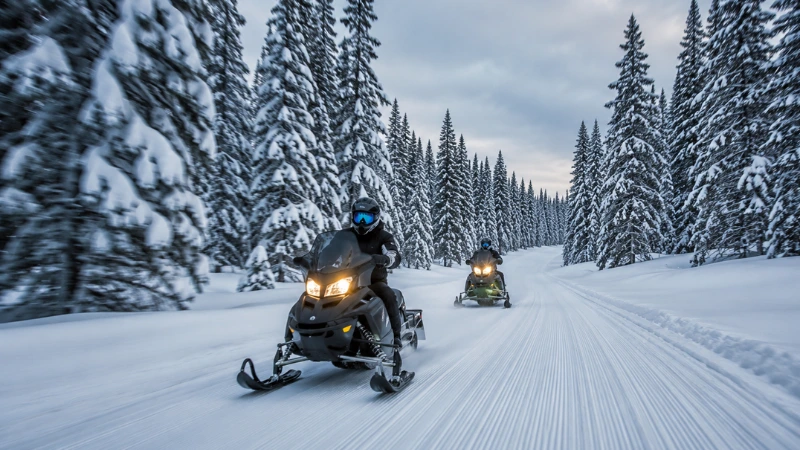
Island Park receives around 163 inches of snow per year, and the snowmobile community has built something serious around that. The area has more than 500 miles of groomed trails with four trail groomers running daily. Harriman State Park offers cross-country skiing and snowshoeing through some of the most serene winter scenery in eastern Idaho. Henry’s Lake freezes for ice fishing, and the Two Top Loop is a famous snowmobile route with views that hold up in any season.
Winter temperatures are not casual. Highs average around 20°F in January, and overnight lows regularly drop into negative territory — sometimes as low as -20 to -30°F in cold snaps. Four-wheel drive is strongly recommended, and Highway 20 closes periodically when drifting snow makes it impassable (usually for a few hours at a time, but worth factoring into plans).
The snow base builds steadily through January, with conditions generally excellent by the second week of the month. Presidents Day weekend draws a crowd and can feel busy at local establishments. But the period after Presidents Day through early March is a quieter sweet spot that experienced snowmobilers know well: deep powder, longer days, and fewer people competing for trail time.
Christmas through New Year is also a wonderful time to visit if you book early. Cabins book up fast for the holiday stretch, and a white Christmas in Island Park is essentially guaranteed. If winter sports are what you’re planning around, the Weekend in Island Park Itinerary also covers how to structure a winter trip alongside other seasons.
Spring in Island Park: April through Early June
Spring is the quietest season in Island Park, and for some travelers that’s exactly the point. Snow melts rapidly through April and May, the snowpack dropping fast as the days lengthen. Many forest service roads stay closed into late May, so backcountry access is limited. But the main corridors open up and the fishing community starts reappearing as waters thaw.
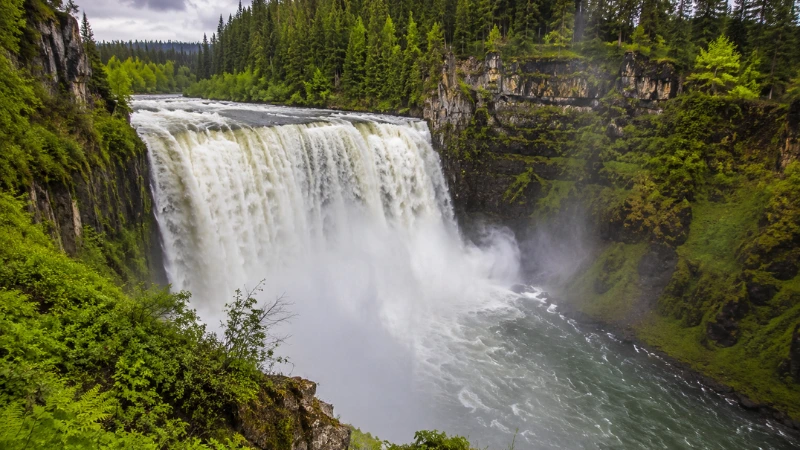
Mesa Falls Scenic Byway is particularly worth visiting in spring — the runoff pushes Upper and Lower Mesa Falls to their highest and most powerful flow of the year, and you’ll often have the viewing platforms to yourself.
Fishing on the Henry’s Fork picks back up as ice leaves the system, and the crowds that come with the Green Drake hatch haven’t arrived yet. For a quiet cabin stay, an easy drive into Yellowstone (the West Entrance reopens the third Friday in April), and some early-season angling without competition, spring delivers.
The one variable: June can surprise you. Some years early June is warm, dry, and mostly bug-free. Other years, cooler evenings and a wet spring mean mosquitos show up, especially in the low-lying meadows near the Henry’s Fork. They’re rarely overwhelming, but worth packing bug spray for through mid-June.
Memorial Day weekend marks the first real crowd push of the season. After the holiday, it quiets again until around June 15, when the Henry’s Fork opens to fly fishing and the summer rhythm begins in earnest.
Planning Around Yellowstone’s Seasonal Closures
Island Park sits roughly 20 to 30 minutes from Yellowstone’s West Entrance, making it a natural base for park day trips. But that gateway has a season, and getting the dates wrong is one of the most common planning mistakes visitors make.
Yellowstone’s West Entrance typically closes to wheeled vehicles on the first Monday of November at 9 p.m. It generally reopens to cars on the third Friday of April, though both dates can shift depending on snowfall and road conditions. During winter, the park is accessible by over-snow vehicles (guided snowmobile tours and snowcoach), but those require advance booking — often months out.
If combining a Yellowstone visit with an Island Park stay is part of your plan, aim for late June through October for standard car access. If you’re visiting in November through mid-April, check the NPS road status page and book any winter Yellowstone tours well in advance.
What to Know Before You Go
Elevation matters. Island Park sits at roughly 6,300 feet. Even in midsummer, mornings can be cool enough for a jacket, and afternoon thunderstorms roll through regularly in July and August. Pack layers regardless of season.
Mosquitos in June vary. Locals say the mosquito window is short and rarely severe, but it’s real in a wet spring year. Bug spray from mid-May through mid-June is worth having.
Book early for summer and winter holidays. Cabin inventory is not unlimited. July 4th and the Christmas/New Year stretch book months in advance. Fall and post-Presidents Day winter offer the easiest last-minute availability.
Highway 20 in winter. The main highway in and out can close temporarily during heavy snow events, usually for a few hours. Check road conditions before heading out in January and February.
Wildlife awareness is year-round. Bears are active from spring through fall. Carry bear spray on any trail outside the winter months.