Things to Do in New Orleans: Complete Guide (2026)
Most visitors to New Orleans spend three days on Bourbon Street and leave thinking they have seen the city. They have not. The real New Orleans, the one locals talk about and repeat visitors eventually find, starts the moment you walk one block off Bourbon. The city is genuinely one of the most culturally distinct places in the United States, but it takes some navigation to experience it properly.
This guide covers the things to do in New Orleans that are actually worth your time, organized by neighborhood, experience type, and what kind of traveler you are. Whether you have two days or a full week, the goal here is to help you spend your time where it counts. For a deeper look at timing, check our guide to the Best Time to Visit New Orleans.
A Quick Orientation Before You Start Planning
New Orleans sits on a crescent bend of the Mississippi River, which is why locals sometimes call it the Crescent City. The layout confuses first-timers because uptown and downtown do not mean what they mean in most American cities. In New Orleans, they refer to direction along the river, not compass direction.
The French Quarter is the oldest neighborhood and the most tourist-heavy. It is worth your time but not your entire trip. Right next to it is the Marigny and Bywater, where musicians and younger locals tend to gather. Uptown and the Garden District are residential and walkable. The CBD clusters around the convention center and large hotels.
Most of what you will want to do is concentrated between the French Quarter, the Garden District, and the Frenchmen Street corridor in the Marigny. You can walk between most of it or take the St. Charles streetcar line.
What to Do in the French Quarter (Beyond Bourbon Street)
The French Quarter is the obvious starting point, but how you spend your time there matters. Bourbon Street is the loudest block in the city and also the least representative of what New Orleans actually is. Go once if you are curious, but do not let it take over your itinerary.
Royal Street is one block over and worth a slow walk. It runs parallel to Bourbon and is lined with antique shops, art galleries, and restaurants that have been operating for decades. No cover charges, no tourist trap energy pulling you inside.
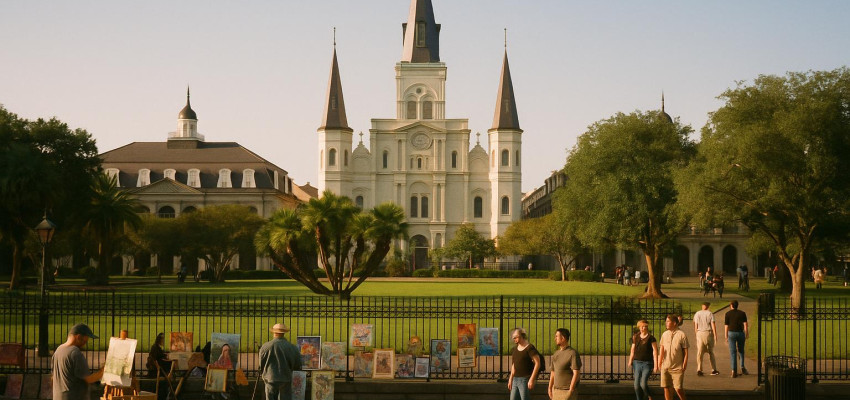
Jackson Square anchors the heart of the Quarter. Artists, tarot readers, and street performers set up around the square most days. The St. Louis Cathedral, facing the square, is the oldest continuously operating cathedral in the United States and is free to enter. The view from the Mississippi River levee across Decatur Street is one of the best free vantage points in the city.
Cafe du Monde sits right there, open 24 hours, serving beignets and cafe au lait. There will be a line. It moves fast. Worth doing at least once.
The National WWII Museum is in the Warehouse District, a short walk from the Quarter, and it is the best museum in New Orleans by a wide margin. If you visit one museum, make it this one. Plan at least two to three hours.
Frenchmen Street vs. Bourbon Street: Where to Go for Live Music
This is the question every first-time visitor asks, and the answer matters more than most travel guides acknowledge.
| Frenchmen Street | Bourbon Street | |
|---|---|---|
| Vibe | Neighborhood music scene | Tourist entertainment strip |
| Music quality | Serious jazz, brass bands, funk | Cover bands, pop, house music |
| Cover charges | Often free or low | Often free but drinks are expensive |
| Crowd | Mix of locals and travelers | Mostly tourists |
| Best time | 10pm onwards | Any time after dark |
| Location | Marigny, 10-min walk from Quarter | Heart of the French Quarter |
Frenchmen Street is a single block in the Marigny where four to eight live music venues sit side by side. On a good night you can walk from one open door to the next and hear three different bands without paying a cover. The Spotted Cat is the classic stop. The Maison books bigger names. Apple Barrel has a smaller, bar-focused atmosphere.
Preservation Hall is in the French Quarter and is one of the most celebrated jazz venues in the world. It books traditional New Orleans jazz specifically, standing room only in a small space, and fills up fast. Buy tickets in advance if you want to guarantee entry.
The Garden District: What to See and How Long to Spend
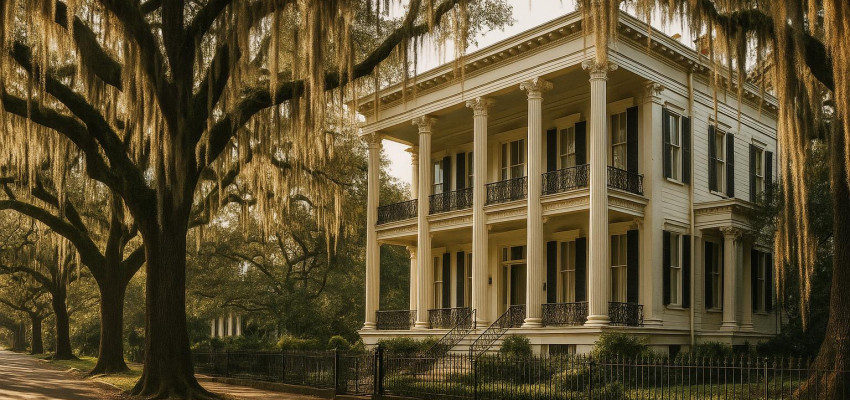
The Garden District sits about two miles upriver from the French Quarter, a quick ride on the St. Charles streetcar line. It is a residential neighborhood of large Victorian and Antebellum mansions on wide, oak-lined streets.
Lafayette Cemetery No. 1 sits on Washington Avenue inside the neighborhood. It is free to enter, easy to walk through on your own, and significantly less crowded than St. Louis Cemetery No. 1 in the French Quarter, which now requires a licensed tour guide.
Magazine Street runs along the edge of the Garden District and continues uptown for several miles. It is the best independent shopping street in the city, lined with local boutiques, vintage stores, coffee shops, and neighborhood restaurants. This is where locals actually spend their weekend afternoons.
Give the Garden District a half day. Come in the morning, walk the neighborhood, grab lunch on Magazine Street, and take the streetcar back. For a day-by-day framework, see the New Orleans Itinerary guide.
New Orleans Food: What to Eat and Where to Start
The food in New Orleans is genuinely unlike anything else in the United States. The cuisine pulls from French, Spanish, African, Creole, and Cajun traditions in a combination that developed here over three centuries and does not exist the same way anywhere else.
| Dish | What it is | Where to find it |
|---|---|---|
| Beignets | Fried dough covered in powdered sugar | Cafe du Monde, Morning Call |
| Po’boy | French bread sandwich with fried seafood or roast beef | Domilise’s, Parkway Bakery |
| Gumbo | Thick stew with roux, okra, meat or seafood | Most Creole restaurants |
| Muffuletta | Round sandwich with olive salad and Italian meats | Central Grocery |
| Crawfish | Boiled with Cajun seasoning, seasonal in spring | Local seafood spots, Dooky Chase’s |
| Oysters | Raw, chargrilled, or fried | Casamento’s, Drago’s |
Commander’s Palace in the Garden District is one of the most celebrated restaurants in the city and books weeks out. Galatoire’s on Bourbon Street has been serving Creole food since 1905. For a full breakdown by budget and neighborhood, see the Best Restaurants in New Orleans guide.
One practical note: the best restaurants here are genuinely booked, especially on weekends. Make reservations before you travel, not the morning you arrive.

Museums and Cultural Attractions Worth Your Time
The National WWII Museum is the standout. Even without a specific interest in military history, the scale and quality of the exhibitions make it worth three hours. It is the most-visited museum in Louisiana.
The Ogden Museum of Southern Art has one of the best collections of Southern art in the country. Small enough to do in two hours and underrated by most general travel guides.
The New Orleans Museum of Art (NOMA) sits inside City Park and has a strong permanent collection plus a large sculpture garden. The garden is free to enter. City Park itself is worth visiting for the live oaks alone, some of which are hundreds of years old.
Cemetery tours are worth doing once. St. Louis Cemetery No. 1 requires a licensed guide, and several reputable companies run them. The above-ground tomb tradition reflects French and Spanish colonial influence and is genuinely unlike anything you will find in other American cities.
Swamp Tours and Day Trips From New Orleans
New Orleans is surrounded by bayou and wetlands, and a swamp tour is one of the most distinct Louisiana experiences you can add to a trip. Most tours run from marinas 45 minutes to an hour from the city. You will see alligators, herons, cypress trees, and marsh landscape that most Americans have never encountered in person.
Honey Island Swamp gets consistently strong reviews from repeat visitors, partly because it sits in a less developed area than some of the more commercial alternatives closer to the city.
Plantation tours along River Road west of New Orleans offer a different kind of depth. Whitney Plantation focuses on the experiences of enslaved people rather than antebellum architecture, making it a more complete historical experience than most plantation museums in the region.

New Orleans Festivals and Events
New Orleans has more festivals per capita than almost any city in the country. Here are the ones that significantly affect trip planning:
| Festival | When | What to Know |
|---|---|---|
| Mardi Gras | Late winter (date varies) | Book 6 to 12 months out; prices triple |
| French Quarter Festival | Spring | Free music on outdoor stages citywide |
| Jazz Fest | Late spring, two weekends | One of the best music lineups in the country; book early |
| Essence Festival | Summer, July 4th weekend | Focuses on Black music and culture; large crowds |
| Voodoo Fest | Fall | Rock and hip-hop in City Park |
| Bayou Classic | Late fall | HBCU football rivalry weekend; major local event |
For the full 2026 events calendar, the official New Orleans tourism site keeps updated dates and ticketing info.
Mardi Gras deserves some nuance. The parades begin weeks before Fat Tuesday, and many locals prefer the mid-season parades over the final days when crowds peak. The Best Time to Visit New Orleans guide walks through the tradeoffs for each festival and season.
When to Visit New Orleans
Spring is the most popular season, and for good reason. Temperatures are comfortable, the major festivals run, and the city is at its most active. Jazz Fest in late spring brings some of the best concert lineups in the country.
Summer is the hardest season. The heat index regularly pushes past 100 degrees Fahrenheit and the humidity makes walking uncomfortable within minutes. Hotel prices drop and crowds thin, but the physical conditions are genuinely demanding. If you go in summer, start activities early and take a midday break.
Fall is the local favorite. The heat breaks in October, prices are reasonable, and there are strong festivals throughout the season. The Saints are playing, which matters more to the fabric of this city than most visitors expect.
Winter is mild by national standards but unpredictable. Christmas through New Year’s is busy and expensive. January and early February are among the quietest and most affordable periods to visit, right before Mardi Gras season builds.
Getting Around New Orleans
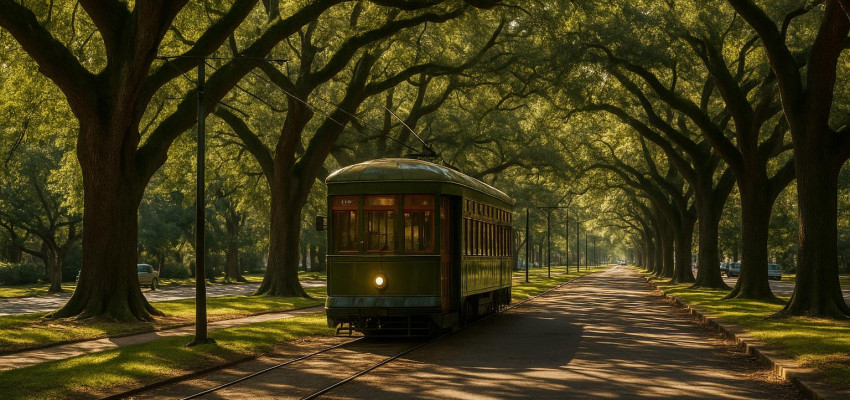
The French Quarter, Marigny, and Bywater are all walkable from each other. The Garden District and Magazine Street are accessible via the St. Charles streetcar, which runs the length of St. Charles Avenue from Canal Street uptown. Uber and Lyft are reliable throughout the city. If you are still deciding on your base, the Where to Stay in New Orleans guide breaks down every neighborhood option by budget and location.
Driving and parking in the French Quarter is genuinely difficult. If you are staying in or near the Quarter, do not bother with a car. If your hotel is further out, you will Uber in for most activities.
One practical detail: the streets in the oldest parts of the city are uneven. Sidewalks in some areas are broken up by tree roots and age. Worth knowing if you are walking at night or have any mobility considerations.
Practical Tips Before You Go
Safety: New Orleans has neighborhoods with higher crime, and the tourist areas are safer than the city’s overall statistics suggest. The French Quarter, Garden District, and popular corridors with normal foot traffic are generally fine. Late nights on quieter streets call for the same awareness you would bring to any large American city.
Reservations: The top restaurants here book out, especially Thursday through Saturday. Make reservations before your trip, not when you land.
Cash: Many bars in New Orleans prefer cash or have card minimums. Bring some. ATMs are easy to find in tourist areas.
Footwear: You will walk more than you expect. The heat and humidity compound this. Comfortable shoes are not optional.
Timing in summer: Go out early, rest midday, and come back to life in the evening. New Orleans genuinely comes alive late. Dinner at 8pm or 9pm is not unusual here.
Frequently Asked Questions
How many days do you need in New Orleans?
Three days covers the main neighborhoods and experiences. Four to five days lets you slow down, take a day trip, and eat your way through more of the city. A week is ideal if you are visiting during a major festival.
Is New Orleans worth visiting outside of Mardi Gras?
Absolutely, and many frequent visitors prefer it that way. The food, music, and culture run year-round. Mardi Gras adds energy but also crowds and significantly higher prices.
Is New Orleans safe for tourists?
The main tourist areas are well-traveled and generally safe. Use the same awareness you would apply in any large American city, especially late at night in quieter areas.
What is New Orleans most known for?
Food, live music, and Mardi Gras are the three things most people name first. The cuisine and live music scene are genuinely world-class and worth the trip on their own.
Is New Orleans expensive?
Mid-range to expensive, especially during festival season. Hotels in the French Quarter cost more than the city average. Eating at neighborhood restaurants rather than tourist-facing spots saves money without giving up quality.