Best Restaurants in New Orleans: Where to Eat (and What to Skip) in 2026
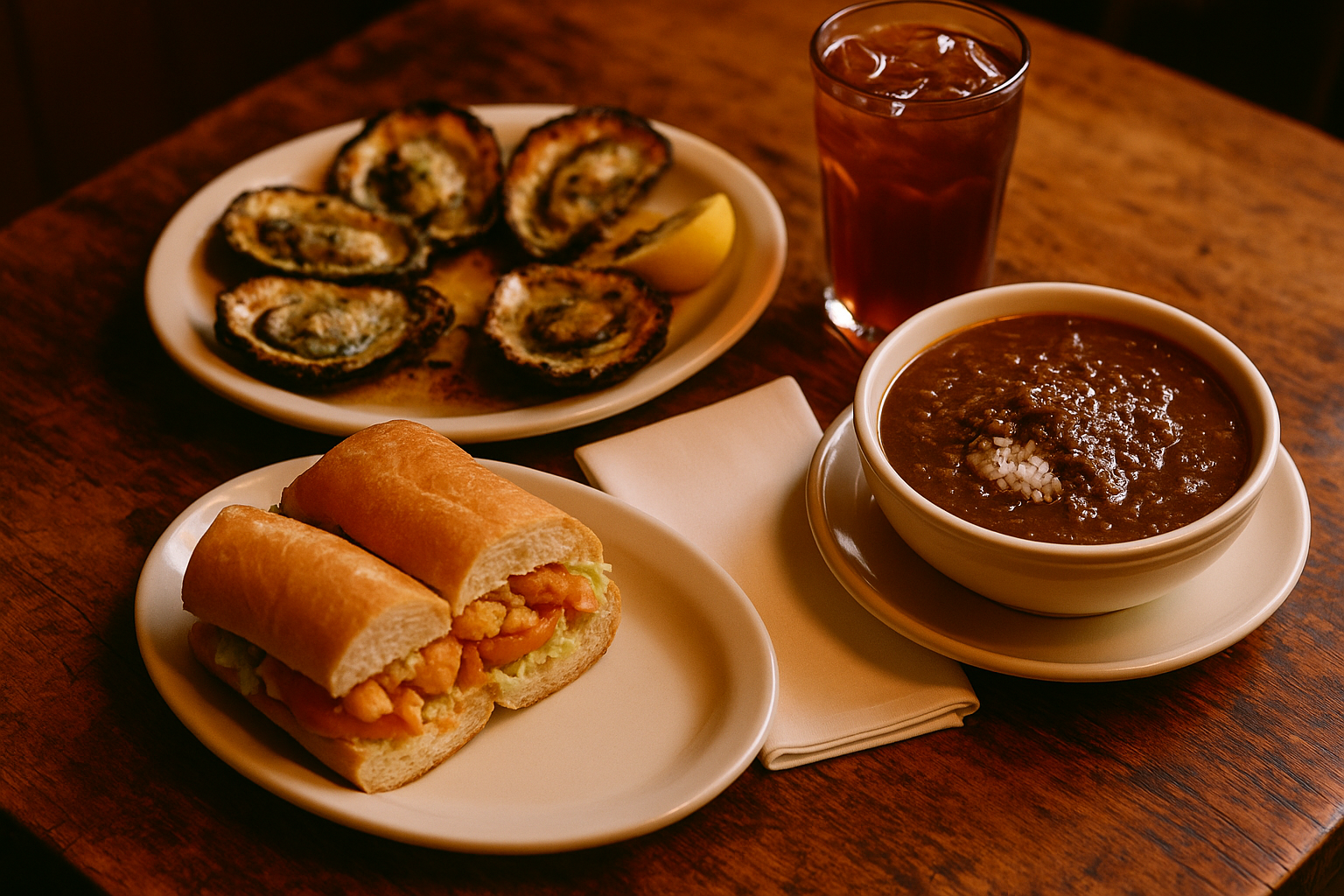
Here’s the math nobody mentions when they hand you a list of forty restaurants: a three-day trip gives you about nine meals, and two of those will disappear into hotel coffee and an airport sandwich. You get maybe six real meals in one of the best food cities in the country. Spending one of them badly actually costs you something.
That constraint shapes this entire guide. The best restaurants in New Orleans are worth ranking not by how famous they are, but by whether they justify one of your six chances. Below are the places worth booking, the neighborhood spots worth walking to, and the well-reviewed tourist favorites I’d tell a friend to skip without hesitation.
Quick Answer: Where to Eat by Meal
| Meal | Pick | Neighborhood | Book Ahead? |
|---|---|---|---|
| Special dinner | Commander’s Palace | Garden District | Yes, weeks out |
| Classic Creole lunch | Dooky Chase’s | Tremé | Recommended |
| Best cheap meal | Killer PoBoys | French Quarter | No, walk up |
| Breakfast worth the line | Café du Monde | French Market | No |
| Neighborhood dinner | Atchafalaya | Uptown | Recommended |
| Something not Creole | Shaya | Garden District | Yes |
| Best fried chicken | Willie Mae’s | Baronne St | No, go weekday lunch |
| Local ritual | Galatoire’s Friday lunch | French Quarter | No reservations, arrive early |
Commander’s Palace: The One Reservation Worth Planning Around
If you make exactly one reservation before your trip, make it this one. Commander’s Palace has been the anchor of New Orleans fine dining for well over a century, and unlike a lot of institutions that coast on reputation, it still earns the fuss.
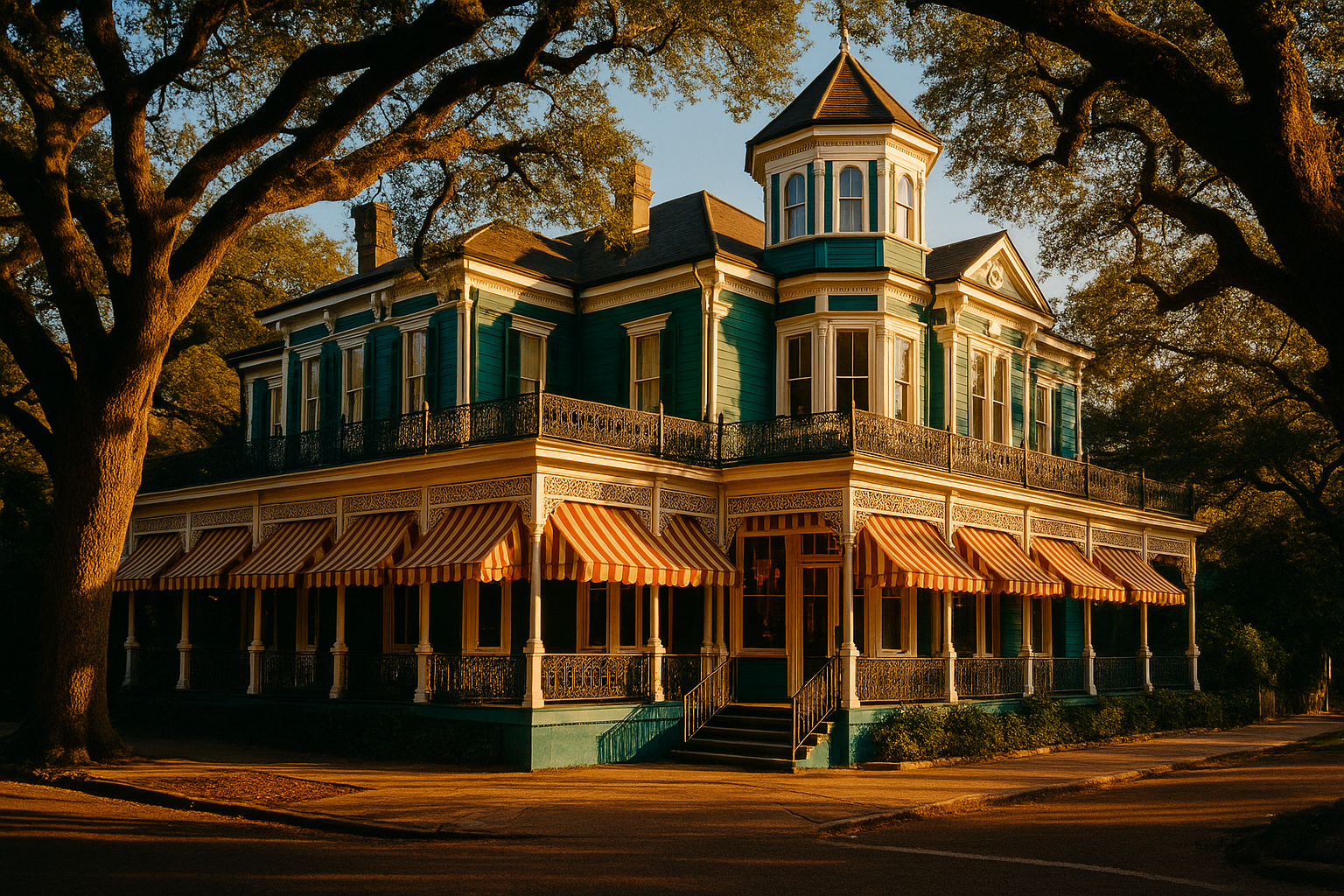
The Garden District location matters here. You’re taking the St. Charles streetcar out to a teal Victorian mansion across from a cemetery, which makes the meal feel like an actual event rather than another dinner. There is a real dress code, and they enforce it, so pack accordingly.
My honest recommendation: book the weekday lunch instead of dinner. The 25-cent martinis at Wednesday, Thursday, and Friday lunch are not a gimmick, the dining room is calmer, the menu still covers the classics, and the whole thing costs meaningfully less than the same experience at 7pm. Most first-timers default to dinner and never learn this.
Book early. Their 2026 chef’s table reservations sold out in about two minutes when they opened, and even standard tables fill weeks out during festival season.
Dooky Chase’s: Creole History You Can Actually Taste
Dooky Chase’s is the restaurant I’d send someone to if they only get one true Creole meal. Leah Chase’s kitchen fed civil rights organizers when few places in the city would seat them together, and that history is still present in the room rather than framed on a wall.
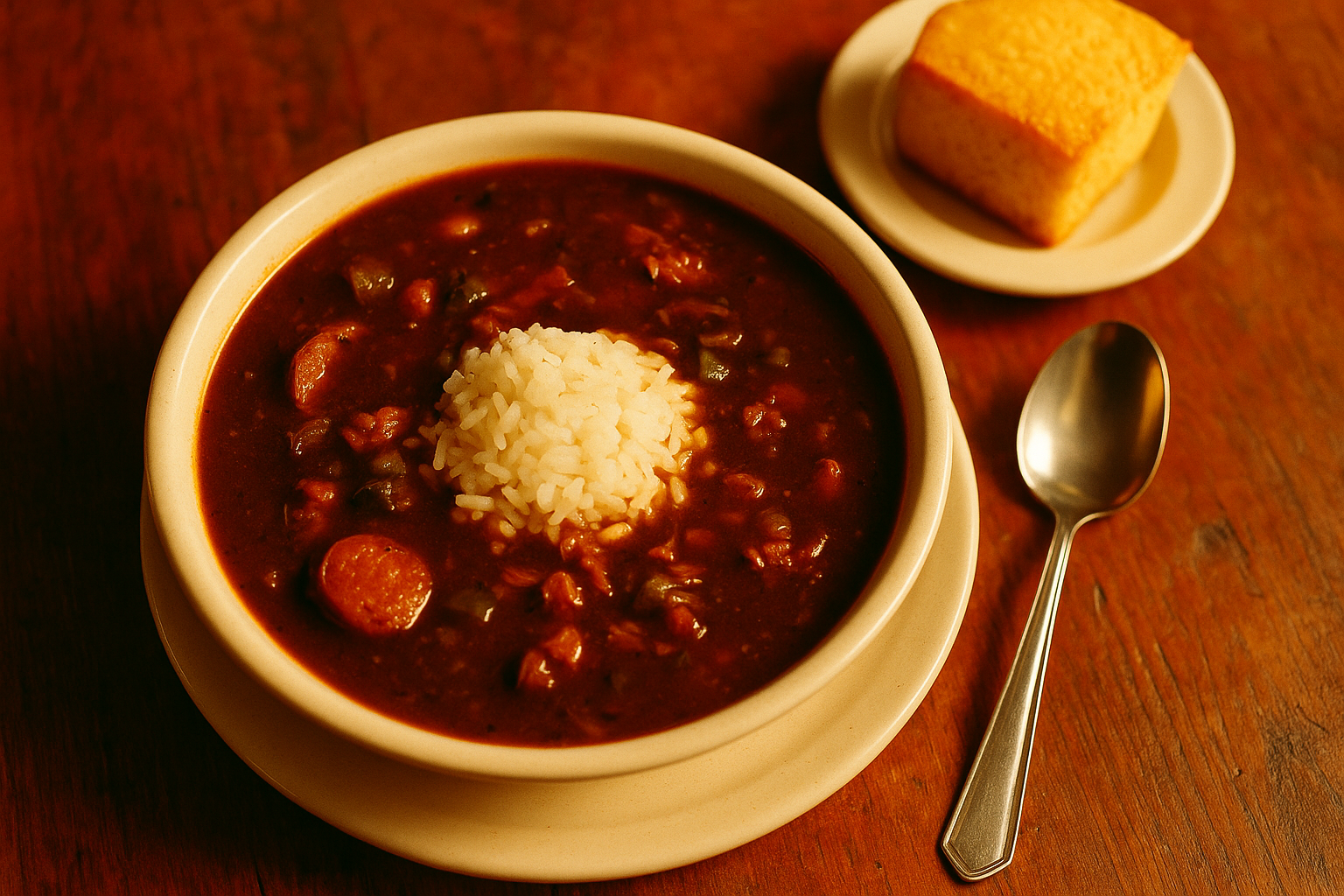
The food is the point though, not the plaque. Gumbo, fried chicken, and Creole classics served without any attempt to modernize them into something they aren’t. Go for lunch, when the room fills with a genuine local crowd rather than a visitor crowd.
This one sits in Tremé, a short ride from the French Quarter. That five-minute detour is the entire difference between eating tourist Creole and eating the real thing.
Killer PoBoys: The Best Cheap Meal in the French Quarter
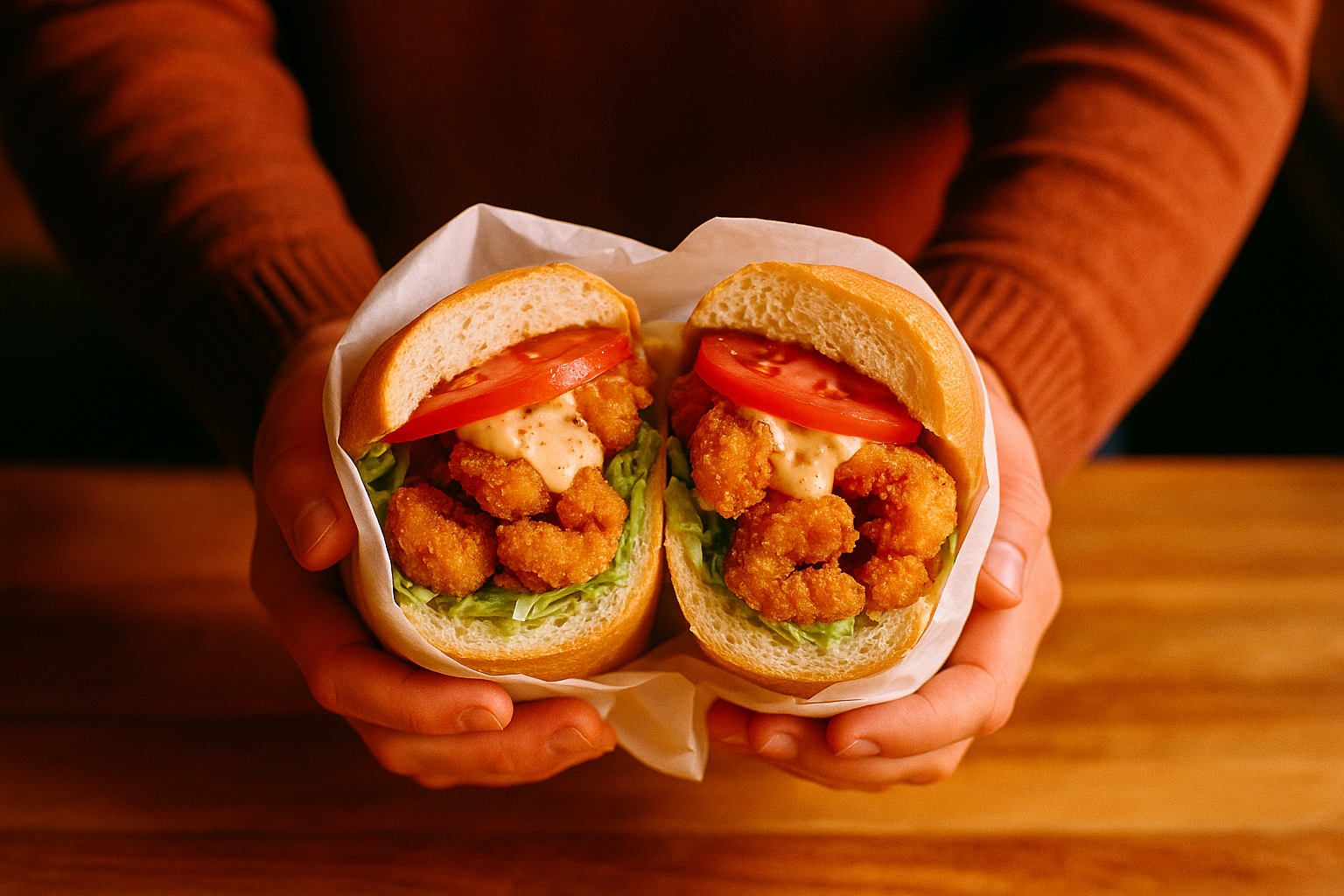
Not every good meal needs a reservation and a collared shirt. Killer PoBoys started as a walk-up window in the back of a bar, and the sandwiches coming out of it are better than anything on a French Quarter menu three times the price.
This is my standard answer when someone asks how to eat well in the Quarter without getting fleeced. The po’boys go beyond the standard fried shrimp version into things that actually taste composed rather than assembled, and you can eat one standing up in fifteen minutes and get back to your day.
If you’re doing a New Orleans itinerary on a tight schedule, this is the meal to slot in on the day you don’t want to lose two hours to a table.
Café du Monde: Yes, Still Worth It
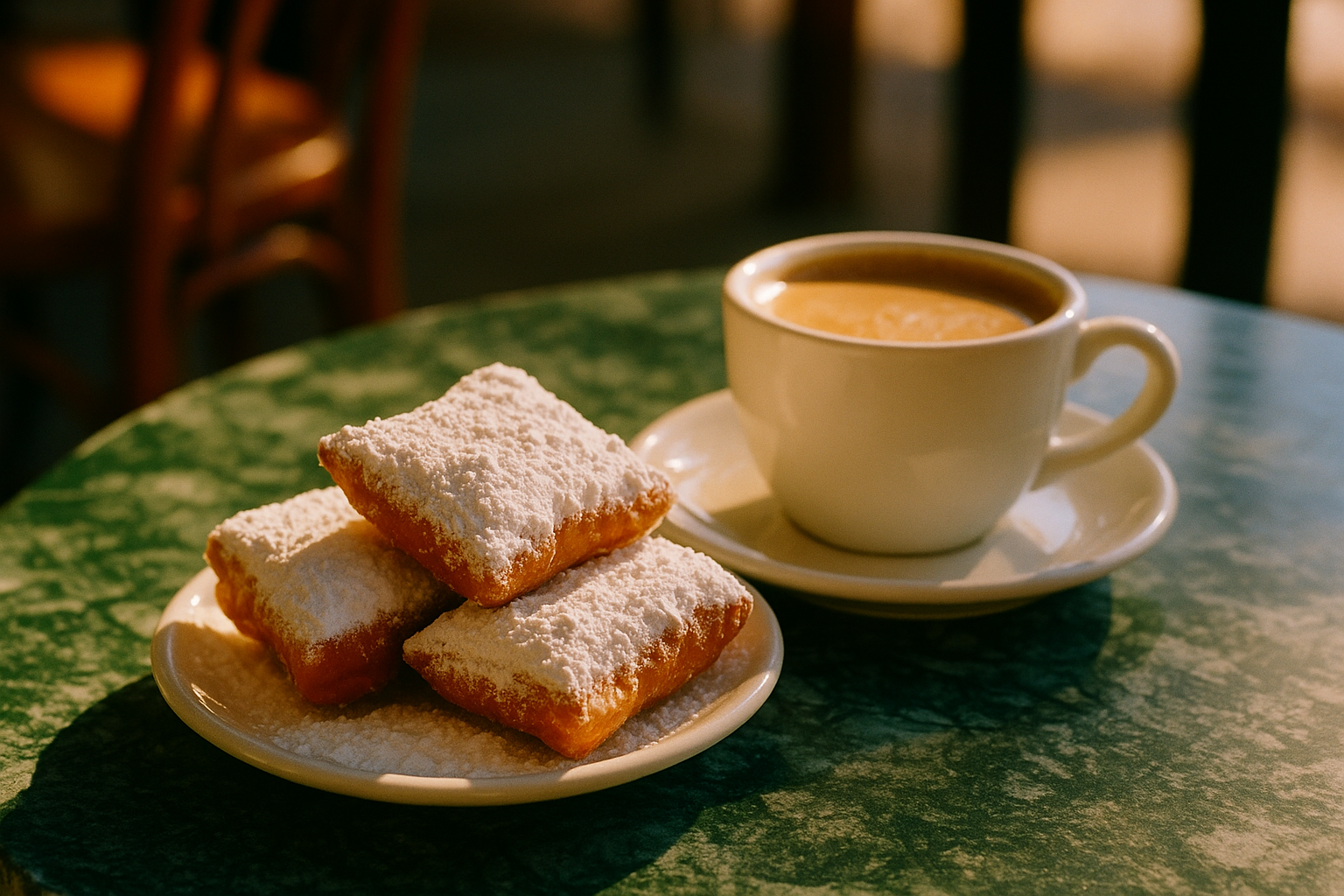
Every guide includes Café du Monde, and a certain kind of traveler has decided that makes it a tourist trap. It isn’t. It’s a genuinely good, genuinely cheap thing that happens to also be famous, and those are rarer than the contrarians admit.
Beignets and chicory café au lait, open essentially around the clock, and the line moves faster than it looks because turnover is constant. Go at an off hour if crowds bother you, early morning or late at night rather than mid-morning.
One practical note that repeat visitors learn the hard way: do not wear dark clothing. The powdered sugar wins every time.
Atchafalaya: Where to Eat Like You Live There
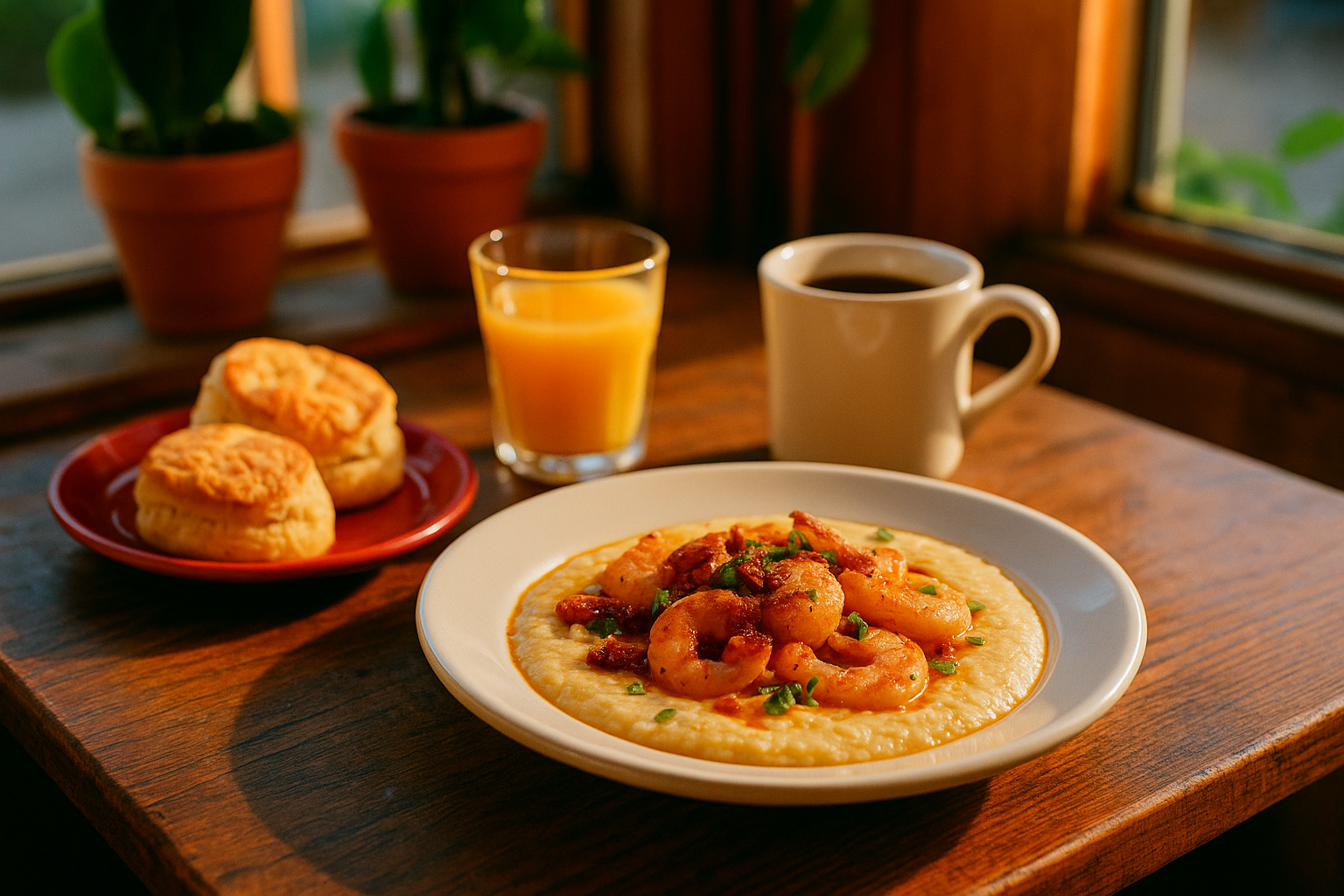
This is the pick for the meal where you want to stop feeling like a visitor. Atchafalaya sits in a residential stretch Uptown, well outside the tourist corridor, and it’s the kind of place locals name when asked where they’d eat if they could only choose one restaurant forever.
Brunch is the standout. Louisiana specialties handled with real technique, in a room that feels like a neighborhood restaurant rather than a destination. You’ll need a rideshare or the streetcar to get there, and that friction is precisely why the crowd is different.
Shaya: The Meal That Isn’t Creole
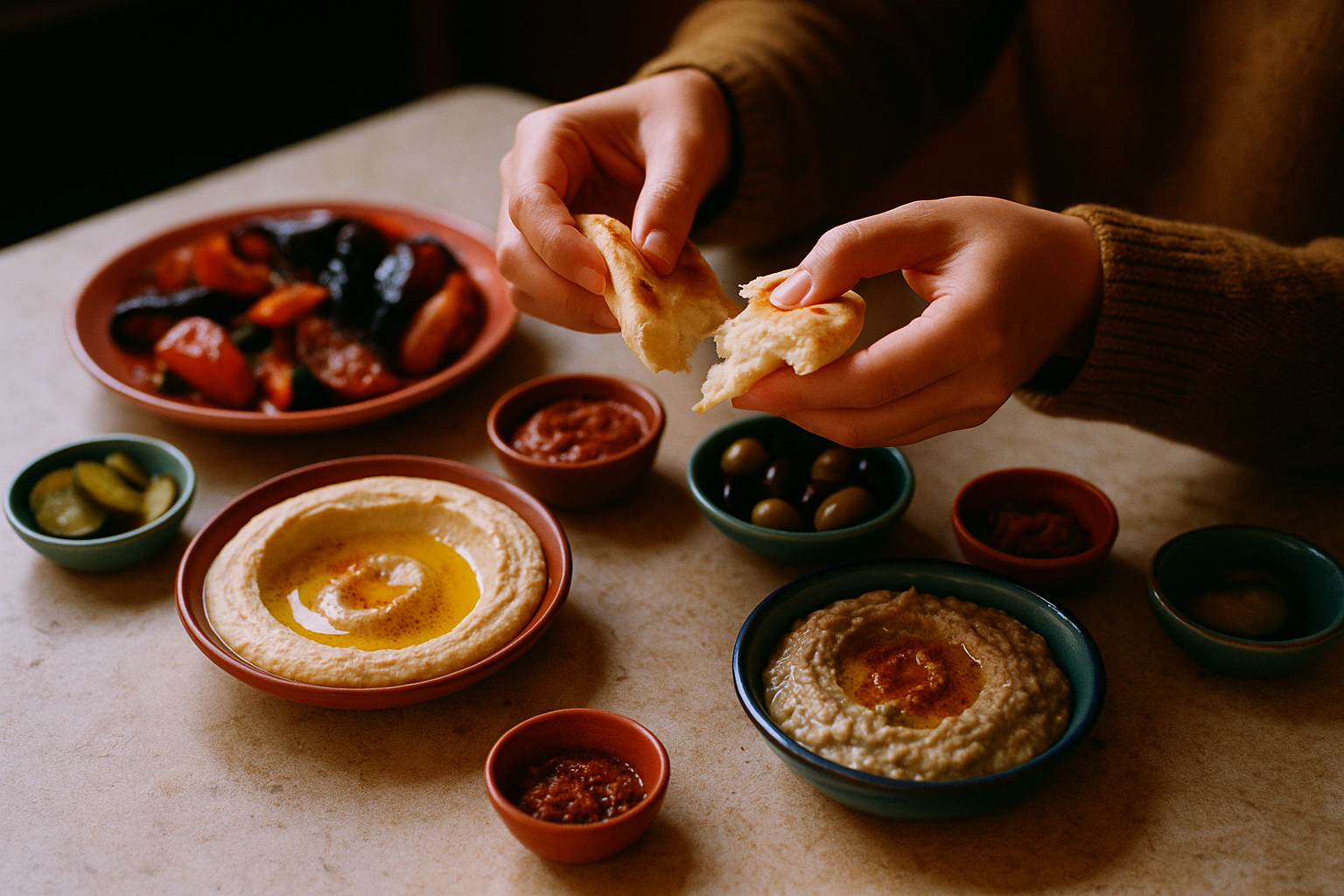
Three days of gumbo, étouffée, and fried seafood is genuinely a lot, and by day three most travelers want something else without knowing how to ask for it. Shaya is the answer.
Israeli and Middle Eastern food, James Beard recognized, and completely uninterested in being a New Orleans restaurant. The bread alone justifies the visit. I’d argue that including one non-Creole meal in a three-day trip makes the Creole meals better by contrast, and this is the one I’d build that around.
The Iconic Institutions: What Every Other Guide Lists
The six picks above are how I’d spend a short trip. But New Orleans has a set of institutions that appear on every list ever written about this city, and skipping them entirely would be dishonest. Here’s what each one is actually for, so you can judge whether it earns a slot.
Galatoire’s: The Friday Lunch Ritual
Galatoire’s sits on Bourbon Street, which sounds like a warning until you’re inside the black-and-white tiled dining room. French Creole, James Beard recognized, and genuinely one of the city’s defining rooms.
The thing to know is Friday lunch. It’s a local institution that runs long and loud, and the first floor takes no reservations for it, so regulars line up early in the morning to claim a table. If you want the real Galatoire’s experience, that’s it. If you want to actually sit down without committing your morning, book upstairs or come another day.
Brennan’s: Breakfast as an Event
The pink mansion on Royal Street is where bananas Foster was invented, and they still flame it tableside. Founded in 1946, moved to the current 1795 building in 1956.
Here’s the part most visitors miss: Brennan’s is a breakfast restaurant first. “Breakfast at Brennan’s” is its own institution, running from 9am daily and 8am on weekends, with eggs Hussarde (eggs Benedict with red wine sauce added alongside the hollandaise) as the signature. If you were going to eat one fine dining meal at breakfast rather than dinner, this is the one.
Antoine’s and Arnaud’s: The Old Guard
Antoine’s is the oldest of the French Quarter institutions and Arnaud’s isn’t far behind. Both are grand, formal, multi-room affairs with menus that have barely moved in decades.
My honest read: these are worth it if the history is the point for you. If you’re purely optimizing for the best plate of food, your money goes further at Commander’s Palace or Dooky Chase’s. Go to Antoine’s because it’s Antoine’s, not because you expect to be surprised.
Willie Mae’s: The Fried Chicken
This is the one I regret not putting in the main six. Willie Mae’s fried chicken has James Beard recognition and a place in the MICHELIN Guide American South, and the consensus among locals and food writers is that it’s among the best fried chicken anywhere, not just in Louisiana.
Order it with butter beans and mac and cheese. Note that the original Tremé location closed after a fire, and the family opened Willie Mae’s NOLA on Baronne Street in 2024. Weekday lunch means shorter lines than weekends.
Cochon: Cajun, Not Creole
Most of this list is Creole. Cochon, in the Warehouse District from chefs Donald Link and Stephen Stryjewski, is the Cajun counterweight, and the distinction is real rather than academic.
The cochon de lait (slow-roasted pork) and the wood-fired oyster roast are the dishes people come back for. If you want to understand why Cajun and Creole aren’t interchangeable words, eating here after a Creole meal makes the difference obvious in a way no explanation does.
Parkway Bakery and Camellia Grill: The Everyday Classics
Parkway Bakery & Tavern is the po’boy institution, and it’s the standard people compare other po’boys against. It sits in Mid-City, so it pairs naturally with a City Park day.
Camellia Grill is a counter-service diner at the bend where the St. Charles streetcar reaches Carrollton. Thin crispy waffles, chocolate freezes, and a room that hasn’t tried to reinvent itself. It’s a genuinely fun ride out and back if you have a slow morning to spend.
Napoleon House: The Sandwich and the Room
Napoleon House is as much a room as a restaurant, a centuries-old French Quarter building known for its muffuletta and Pimm’s Cup. Worth a stop mid-afternoon between other things rather than a dedicated dinner slot.
The Full Reference List by Category
If you want the complete picture rather than my shortlist, here’s how the city’s notable restaurants sort out.
| Category | Restaurants |
|---|---|
| Grand Creole institutions | Commander’s Palace, Antoine’s, Galatoire’s, Arnaud’s, Brennan’s, Broussard’s, Tujague’s |
| Soul food and Creole heritage | Dooky Chase’s, Willie Mae’s, Lil’ Dizzy’s Cafe, Neyow’s Creole Cafe |
| Cajun and modern Louisiana | Cochon, Cochon Butcher, Herbsaint, Peche, Toup’s Meatery, Mosquito Supper Club |
| Po’boys and sandwiches | Parkway Bakery & Tavern, Killer PoBoys, Turkey and the Wolf, Verti Marte |
| Neighborhood and brunch | Atchafalaya, Coquette, Lilette, Camellia Grill, Surrey’s, Bearcat Cafe |
| Fine dining and tasting menus | Emeril’s, Saint-Germain, Bayona, Compere Lapin, Vessel |
| Not Creole at all | Shaya, Saffron, Mais Arepas, 1000 Figs, Pho Tau Bay, Pizza Domenica |
| Coffee, sweets, casual | Café du Monde, District Donuts, Sucre, St. James Cheese Company, Bacchanal |
No visitor eats through this list. It exists so you can find your own category rather than defaulting to whatever restaurant is closest to your hotel.
What to Skip: The Honest List
This is the section most guides won’t write, and it’s the one that actually saves you a meal.
Chain restaurants. Bubba Gump, Hard Rock, and every other national chain on Bourbon Street. You are in one of the great food cities on earth. Eating at a chain here is a genuinely wasted opportunity, and locals are unanimous on this.
High-volume Bourbon Street seafood houses. Several of the busiest tourist-facing seafood restaurants near Bourbon Street carry big menus, big prices, and a reputation among locals that ranges from indifferent to actively bad. The tell is usually a host on the sidewalk trying to wave you in. Good restaurants in this city do not need to do that.
Anything that advertises “authentic Creole” on a sandwich board. Restaurants confident in their food don’t need to claim authenticity in signage. The genuinely local places are usually the ones doing the least to convince you.
I’d rather send someone to a walk-up po’boy window than a white-tablecloth tourist restaurant, and that’s not budget advice. It’s quality advice.
What Travelers Get Wrong About Booking
Two mistakes come up constantly, and both are fixable weeks before you fly.
Underestimating reservation timing. Travelers routinely assume they can book a top New Orleans restaurant a few days out, then discover that the good tables were gone a month ago. For anything in the Commander’s Palace tier, treat four to six weeks as the floor, and longer if your dates overlap festival season. Some prix fixe spots also require prepaid, non-refundable bookings, which catches people off guard.
Not checking the dress code. Several of the city’s best rooms have real dress requirements, and being turned away in shorts after a month-old reservation is a genuinely miserable way to lose a meal. Check when you book, not the afternoon of.
If your dates are still flexible, cross-reference them against Best Time to Visit New Orleans before you start booking. Festival weekends compress restaurant availability across the entire city, not just at the famous places.
How to Plan Six Meals Across Three Days
Here’s how I’d actually allocate a three-day trip, working from the constraint at the top of this guide.
| Day | Lunch | Dinner |
|---|---|---|
| Day 1 | Killer PoBoys (fast, French Quarter) | Frenchmen Street area, casual with live music |
| Day 2 | Commander’s Palace weekday lunch | Something in the Warehouse District |
| Day 3 | Dooky Chase’s in Tremé | Shaya or Atchafalaya |
Beignets at Café du Monde slot in anywhere, since they’re a snack rather than a meal and the place barely closes.
The logic: one fine dining experience (at lunch, where it’s better value), one historic Creole meal, one great cheap meal, one non-Creole reset, and two flexible slots for whatever you discover while walking around. That last part matters. Leaving two meals unplanned is how you end up with the story you actually tell later.
Frequently Asked Questions
What food is New Orleans actually known for?
Gumbo, jambalaya, étouffée, po’boys, beignets, and char-grilled oysters. Creole and Cajun cooking are related but distinct, with Creole being the more city-based, French-influenced tradition.
How far in advance should I book restaurants in New Orleans?
Four to six weeks for the top-tier rooms, longer during festival season. Casual and walk-up spots need no booking at all.
Is Café du Monde a tourist trap?
No. It’s inexpensive, consistently good, and open nearly around the clock. Being famous and being a trap are not the same thing.
Do I need to leave the French Quarter to eat well?
Not strictly, but the best value and the most local rooms sit in Tremé, Uptown, and the Garden District. One short ride out changes the quality noticeably.
What should I skip in New Orleans?
National chain restaurants and the high-volume tourist seafood houses near Bourbon Street, particularly any place with a host pulling people in off the sidewalk.
Where I’d Send a First-Timer
If you have one meal, make it Dooky Chase’s at lunch. If you have one reservation to plan around, make it Commander’s Palace, and book the weekday lunch rather than dinner. If you want the meal you’ll actually describe to people afterward, it’s probably a po’boy eaten standing up somewhere with no tablecloth in sight.
The mistake worth avoiding is treating a restaurant list as a checklist. Six meals is not enough to “do” this city’s food scene, and trying to will just leave you rushed. Pick three places that genuinely appeal to you, book them properly, and leave the rest open.
For everything around those meals, Things to Do in New Orleans covers how the neighborhoods connect, which matters more than usual here since half of eating well in this city is being willing to travel fifteen minutes for it.