Best Time to Visit New Orleans: Complete Season-by-Season Guide (2026)
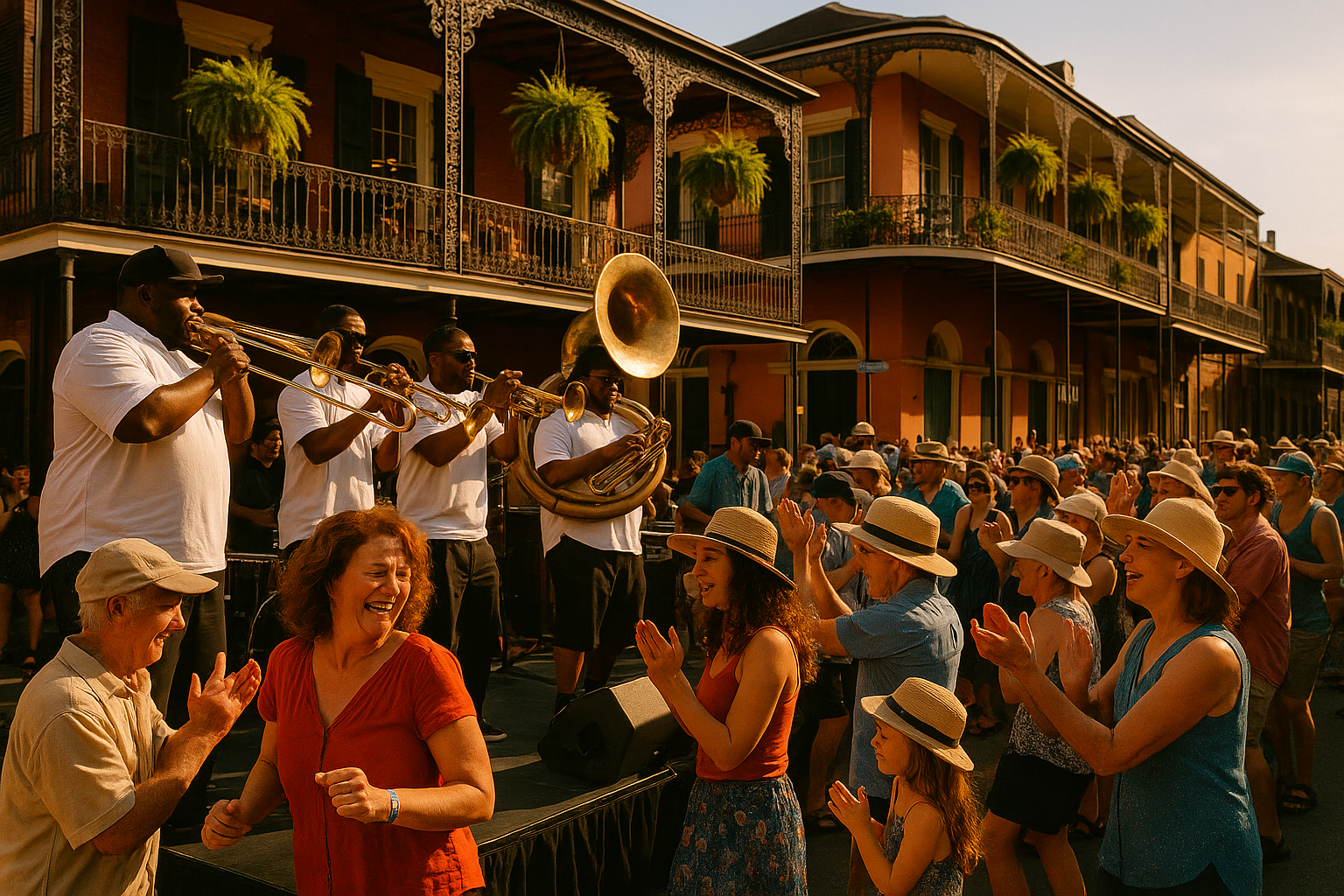
Most guides tell you spring is the best time to visit New Orleans and stop there. That answer skips the part that actually matters: spring is also when hotel rates triple and Bourbon Street becomes a shoulder-to-shoulder crowd. The real answer depends on whether you want the parade or the parking spot.
The best time to visit New Orleans is late fall, from October through mid-November, when the heat has broken, hurricane risk is fading, and hotel rates haven’t caught up to spring prices yet. Spring still wins for festivals, summer wins for budget, and winter wins for quiet. This guide breaks down weather, crowds, and cost by season so you can pick the trip that matches what you actually want.
Quick Answer: When Should You Visit New Orleans?
| Season | Weather | Crowd Level | Price Level | Best For |
|---|---|---|---|---|
| Spring (Mar-May) | Mild, 65-83°F | Highest | Highest | Mardi Gras, Jazz Fest, first-timers who want the full show |
| Summer (Jun-Aug) | Hot, humid, 90s | Lowest | Lowest | Budget trips, indoor museums, flexible travelers |
| Fall (Sep-Nov) | Warm, cooling to 70s | Moderate | Moderate | Best overall value, food and music without festival chaos |
| Winter (Dec-Feb) | Cool, 45-65°F | Low (outside Mardi Gras) | Low to moderate | Holiday events, quiet exploring, early Carnival season |
Every season in New Orleans has a real upside. The right one for you comes down to three questions: how much heat you can tolerate, whether a festival is worth the higher price, and how far in advance you’re willing to book.
Spring in New Orleans (March to May): Peak Festival Season
Spring is when New Orleans puts on its biggest show, and the weather cooperates enough to make it comfortable. Temperatures run from the mid-60s to low 80s, with humidity still manageable before summer’s peak.
This is Mardi Gras and Jazz Fest territory. Mardi Gras usually lands in February or early March depending on the year, and the New Orleans Jazz & Heritage Festival draws visitors from across the country every April. Frequent visitors know that booking six months out is the difference between a French Quarter hotel and a 40-minute rideshare from the suburbs.
The tradeoff is real. Hotel rates during Jazz Fest weekends regularly run double or triple their off-season price, and restaurants without reservations turn into an hour-long wait. If your trip has to line up with a specific festival, spring is non-negotiable. If not, the crowds are worth weighing against the other seasons below.
Summer in New Orleans (June to August): Hot, Humid, and Budget-Friendly
Summer is the season most guides warn you away from, and the warning is fair. Temperatures push into the 90s with humidity that makes the air feel heavier than the thermometer suggests. Afternoon thunderstorms roll through most days, usually short but intense.
What those guides miss is that summer is genuinely the best time to visit New Orleans if your priority is price. Hotel rates drop noticeably, restaurant reservations open up same-day, and popular spots like the National WWII Museum and the French Market feel far less packed. Locals plan their own summer around air conditioning: long lunches indoors, museum mornings, and evenings once the heat breaks after sunset.
Hurricane season also begins June 1, which changes how you should plan a summer trip. More on that below.
Locals who stay through summer tend to shift their whole schedule around the heat. Mornings before 10am and evenings after 7pm are when the outdoor patios fill back up, while the middle of the day gets reserved for museums, aquarium visits, or a long lunch somewhere with strong air conditioning. If you build your itinerary around that rhythm instead of fighting it, summer stops feeling like a season to avoid and starts feeling like a legitimate budget play.
Fall in New Orleans (September to November): The Local’s Favorite Season
Early September still carries summer’s heat, but by October the humidity drops and daytime temperatures settle into the 70s and low 80s. Many repeat visitors consider this the actual best time to visit New Orleans, even though spring gets the marketing.
Fall brings its own event calendar without spring’s price spike. The Voodoo Music + Arts Experience fills City Park in late October, and neighborhood food festivals run through November. Crowds are moderate rather than overwhelming, hotel rates sit well below spring peaks, and outdoor seating at restaurants is comfortable again after months of heat.
Things to Do in New Orleans fill out naturally in this window since walking tours, cemetery visits, and riverfront strolls are all more enjoyable once the humidity breaks. Book two to three months ahead for October weekends, especially around Halloween, when costume culture in the French Quarter draws a dedicated crowd.
The other advantage fall has over spring is availability. Restaurants that require a month-long wait during Jazz Fest will often seat walk-ins on a Tuesday night in late October. That gap alone is why a lot of repeat visitors quietly treat fall as the season they recommend to friends, even while the marketing keeps pointing everyone toward spring.

Winter in New Orleans (December to February): Quiet Charm and Holiday Events
Winter is New Orleans at its most relaxed. Temperatures range from the mid-40s to mid-60s, cool by local standards but mild compared to most of the country. Snow is rare enough to count as a novelty when it happens.
December brings holiday lighting in Jackson Square, seasonal menus at the city’s best restaurants, and a noticeably slower pace outside the tourist core. January stays quiet until Carnival season begins building toward Mardi Gras, which can fall anywhere from early February to early March. Early winter, specifically the first three weeks of December and most of January, offers the lowest hotel rates of the year outside of the deepest summer months.
The catch is Mardi Gras itself. Once Carnival parades start, winter’s calm gives way to spring-level crowds and pricing weeks before the actual holiday. If you want winter’s quiet, book before Twelfth Night in early January.
What About Hurricane Season?
This is the part most best-time-to-visit guides gloss over, and it deserves more than a footnote. Atlantic hurricane season officially runs June 1 through November 30, which overlaps with both summer and half of fall.
Peak hurricane activity concentrates in August and September, not the full six months. A direct hit on New Orleans in any given year is statistically unlikely, but the city’s location means outer bands from storms elsewhere in the Gulf can still bring heavy rain and travel disruptions. Frequent summer visitors treat this less like a reason to avoid the season and more like a reason to plan around it.
Practical steps that actually help: buy travel insurance that covers weather cancellations if you’re booking a summer or early fall trip, check the National Hurricane Center forecast in the week before departure, and avoid booking non-refundable flights during peak hurricane weeks if your dates are flexible. None of this should scare you off a summer trip. It should just shape how you book it.
Most years pass without any direct impact on New Orleans travel plans. The bigger day-to-day annoyance is the regular afternoon thunderstorm pattern that runs through summer and early fall, which is unrelated to hurricanes but still worth building a buffer for if you have outdoor plans like a swamp tour or a walking food tour scheduled.
Best Time to Visit New Orleans by Traveler Type
Generic season advice only goes so far. Here’s how the calendar breaks down by what you’re actually optimizing for.
| Traveler Type | Best Window | Why |
|---|---|---|
| Budget travelers | Late June through August | Lowest hotel rates and easiest reservations, despite the heat |
| Festival-goers | February through April | Mardi Gras and Jazz Fest both fall in this stretch |
| First-time visitors | October to mid-November | Comfortable weather without festival-level crowds or prices |
| Food and music travelers | September through November | Restaurant and club schedules are in full swing, without spring’s wait times |
| Families with kids | March or October | Mild weather on both ends, avoiding both deep summer heat and Mardi Gras chaos |
Frequently Asked Questions
What is the cheapest month to visit New Orleans?
July and August typically have the lowest hotel rates, followed closely by early December and most of January outside the holidays.
Is New Orleans too hot to visit in summer?
It’s hot and humid, but manageable if you plan around it. Indoor attractions, air-conditioned restaurants, and evening activities make summer workable for budget-focused travelers.
How far in advance should I book for Mardi Gras or Jazz Fest?
Six months ahead is the safe target for hotels near the French Quarter. Waiting until two or three months out usually means staying farther from the action or paying a steep premium.
Does hurricane season mean I should avoid summer entirely?
No. Direct hits are rare in any single year. Travel insurance and flexible flight bookings cover most of the actual risk.
So, When Should You Actually Go?
There’s no single correct answer to when to visit New Orleans, only the right answer for what you’re planning around. Spring delivers the festivals but charges a premium for them. Summer trades comfort for the lowest prices of the year. Fall quietly offers the best overall balance of weather, crowds, and cost, which is why so many repeat visitors default to it. Winter rewards anyone who wants the city without the noise, right up until Carnival season changes the math.
Whichever season you land on, pair your dates with a real plan once you arrive. Start with Things to Do in New Orleans to map out neighborhoods and attractions around your chosen season, since what’s worth prioritizing shifts depending on whether you’re dodging heat, chasing a festival, or just trying to catch the city at its calmest.