15 Best Things to Do in Kanab, Utah
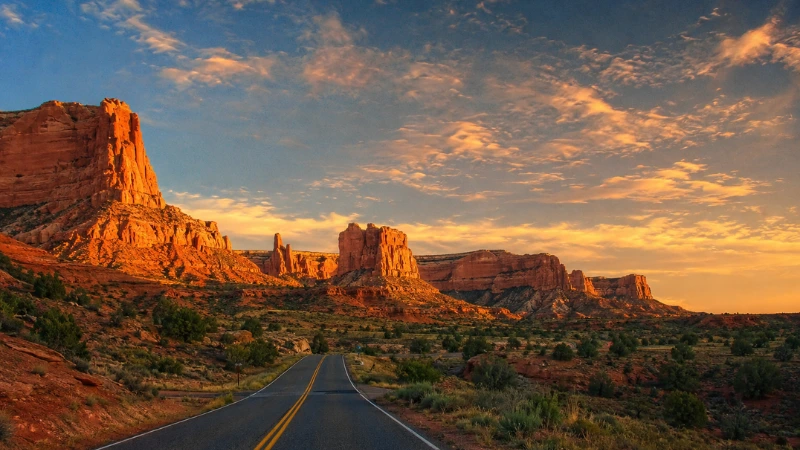
Most people arrive in Kanab thinking it’s just a convenient overnight stop between Zion and Bryce Canyon. They leave wishing they had stayed three more days. This small southern Utah town sits at the center of one of the most activity-dense regions in the American Southwest, with slot canyons, sand dunes, national monument land, and film history all within an easy drive of the main street.
Kanab puts you within reach of The Wave, Buckskin Gulch, Coral Pink Sand Dunes, the Grand Canyon North Rim, Lake Powell, and Zion’s east entrance, all without reservation headaches or shuttle lines. This guide covers 15 of the best things to do in Kanab, Utah, with honest notes on what requires a 4WD vehicle, what involves permits, and how to build your days without burning them on logistics.
Enter the Lottery for The Wave (and Have a Backup Plan Ready)
The Wave is the most coveted hiking permit in the United States, and it sits about an hour outside of Kanab in the Coyote Buttes area of the Paria Canyon-Vermilion Cliffs Wilderness. The surreal undulating red and white sandstone formation looks like something out of a painting from a distance and even more unlikely in person.
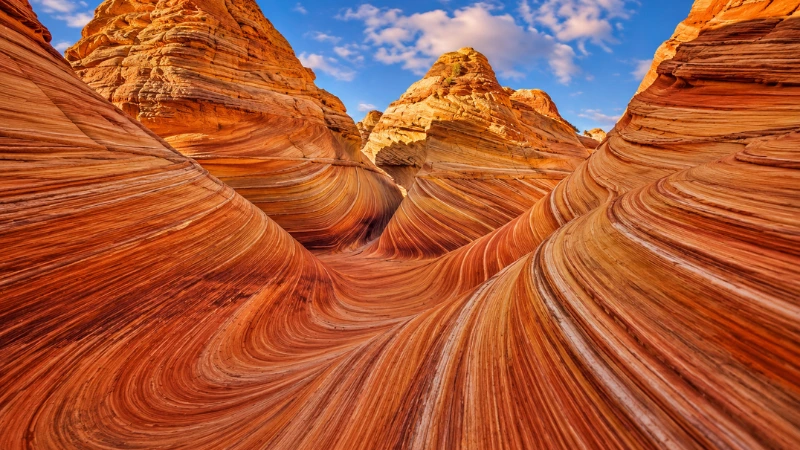
Getting in requires winning a lottery through recreation.gov. There is an advanced lottery you can enter four months before your trip, and a daily lottery you apply for two days in advance while physically located near the Kanab area. The daily lottery runs through the recreation.gov mobile app, which uses your location to confirm you’re close by before letting you enter.
The odds are not in your favor on any given day, so plan other activities around the area rather than building your entire trip around a permit you might not win. If you don’t land one, the Wire Pass and Buckskin Gulch trails start from the same trailhead and are a worthy alternative.
Hike Buckskin Gulch and Wire Pass
Wire Pass and Buckskin Gulch belong on your Kanab itinerary regardless of whether you land a Wave permit. The Wire Pass trailhead is shared with The Wave, and the slot canyon section begins about a half mile in from the parking area.
Once you enter the slots, light filters down through walls of twisted, layered sandstone and the narrow corridor forces you to slow down and look at the detail. At the intersection with Buckskin Gulch, you can continue exploring in either direction. Buckskin Gulch is one of the longest slot canyon hikes in the Southwest and can be extended into a multi-day backpacking route for serious hikers.
Day hike permits cost $6 per person and $6 per dog. Buy them ahead of time online since cell service at the trailhead is unreliable. The drive from Kanab takes roughly an hour, so plan your morning start accordingly.
Drive to Coral Pink Sand Dunes State Park
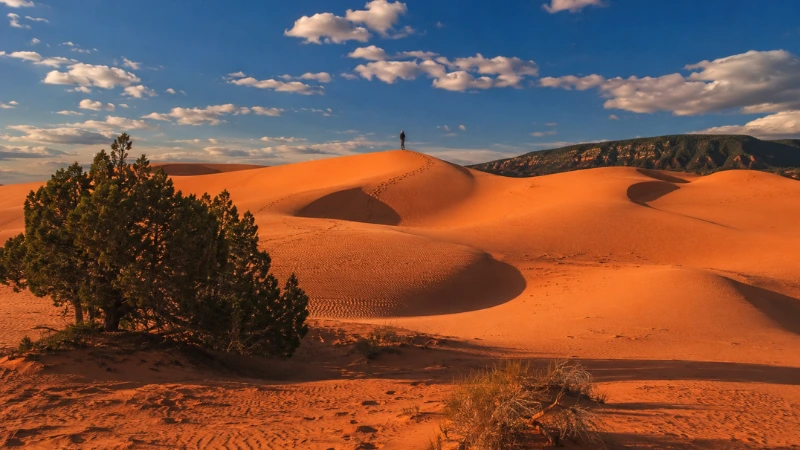
Coral Pink Sand Dunes sits about 20 miles from Kanab and looks photoshopped until you’re actually walking across it. The park covers 3,730 acres of rolling pink-orange dunes formed by thousands of years of wind erosion from nearby Navajo sandstone, and both the color and the scale catch most visitors off guard.
The park is open to hikers and, across roughly 90% of its area, OHV and ATV riders as well. If you’re not bringing your own vehicle, several outfitters in Kanab rent dune-appropriate gear. Sunset is the most reliably rewarding time to visit, when the pink tones in the sand deepen and the crowd thins. Day use requires a fee per vehicle, so check current rates at the Utah State Parks site before you go.
The park is also home to the Coral Pink Sand Dunes tiger beetle, a species found nowhere else on earth. You probably won’t spot one, but it adds a small layer of genuine interest to the walk.
Visit Peekaboo Slot Canyon (Red Canyon) Near Kanab
There is consistent confusion online between this canyon and the more famous Peek-a-Boo Slot Canyon in Escalante. These are two completely different places. The Kanab version is also called Red Canyon Slot Canyon, and it sits on BLM land outside of town.
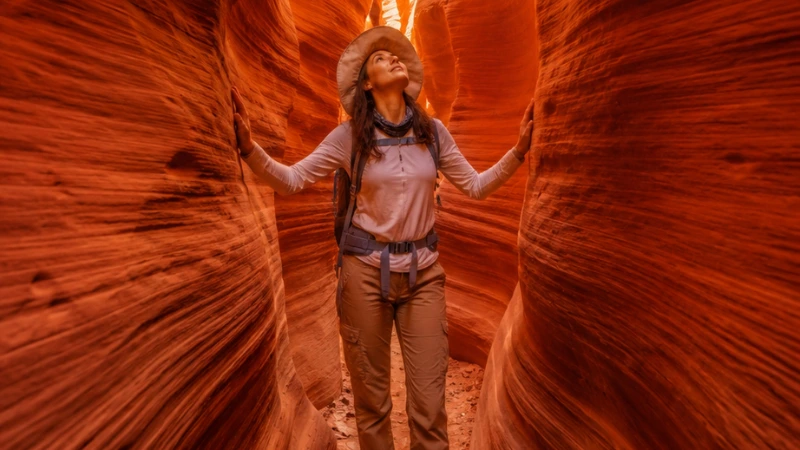
Reaching the trailhead requires a 4WD vehicle or a guided tour. If you’re in a standard rental, book a side-by-side (SxS) tour from one of the Kanab-based outfitters. Many of them bundle Peekaboo with the Great Chamber into a single half-day outing, which is the most efficient way to see both without a specialized vehicle.
Many first-time visitors call this one of the best slot canyons they’ve walked, and it tends to be far less crowded than the better-known canyons near Page or in Escalante.
Explore the Great Chamber (Cutler Cove)
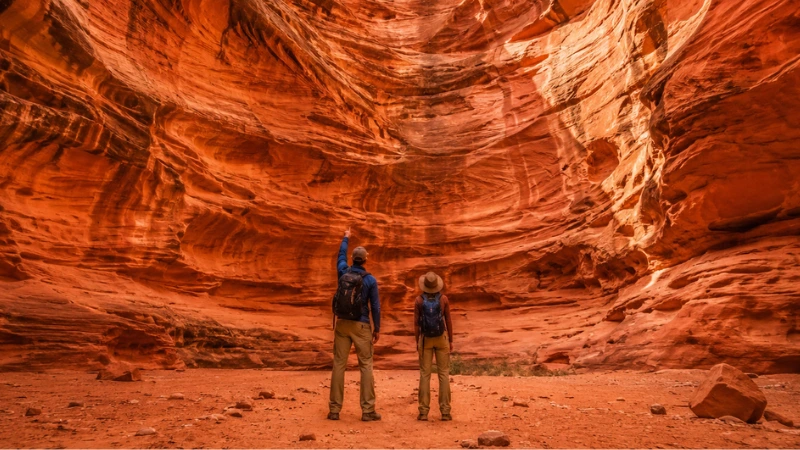
The Great Chamber, listed on Google Maps as Cutler Point, is a large open-ceiling sandstone amphitheater that relatively few visitors seek out despite being one of the more striking natural formations in the Kanab area. Access via Johnson Canyon Road takes about 40 minutes from the highway and requires a 4WD vehicle under normal conditions.
This is one of those sites that earns Kanab its reputation among people who have been to southern Utah more than once. It pairs naturally with a Peekaboo Slot Canyon trip if you are already heading out on dirt roads for the day, and most guided SxS tours cover both stops together.
Canyoneer with a Local Guide
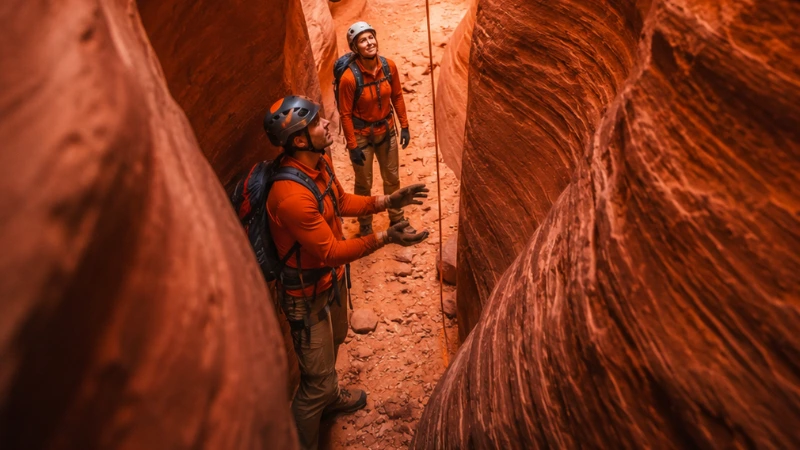
The slot canyon landscape around Kanab is a genuine canyoneering destination, not just a backdrop for hiking. Operations like All Ways Adventure have been running guided trips in this terrain for over a decade and take guests through technical canyons that aren’t reachable by foot trail. Prior rappelling experience is not required.
Canyoneering is a strong option for families with older kids, groups that want something more physical than a scenic drive, and solo travelers who want access to off-trail terrain without needing their own gear or technical skills. Many visitors who try it here for the first time leave planning a return trip specifically for more of it.
If you’re planning a few days in the area, the Weekend in Kanab Utah itinerary breaks down how to fit canyoneering alongside the other top sites without doubling back on drives.
Walk Through the Belly of the Dragon
The Belly of the Dragon sounds more dramatic than it is, but in a good way. It’s a short man-made drainage tunnel running under Highway 89, about 11 miles north of Kanab. The tunnel has a ribbed concrete interior that gives it its name, and the walk from one end to the other takes only a few minutes.
This works well as a leg-stretcher on a drive north, particularly for families traveling with kids. The experience is modest but the quirk factor is high, and it costs nothing to visit. Twin Hollows Campground sits just beyond the tunnel if you are camping your way through the area.
Hike or Drive to White Pocket
White Pocket sits roughly halfway between Kanab and Page, Arizona, which puts it squarely in day-trip range. The formation is a maze of swirling red and white sandstone that rivals The Wave in visual impact and, importantly, requires no permit to visit.
The dirt road in from the south is manageable for high-clearance AWD under dry conditions, though 4WD is the standard recommendation. Several tour operators in Kanab run guided White Pocket day trips if you’d rather not navigate the dirt road on your own. White Pocket is consistently described by photographers and repeat visitors as the most underrated stop in the entire Kanab region.
If conditions allow, the Paria area makes a logical addition to a White Pocket day trip, adding historic character to an already strong photography circuit.
Spot the Toadstool Hoodoos
The Toadstool Hoodoos are one of the easiest payoffs within striking distance of Kanab. A short, well-marked trail leads to a cluster of mushroom-shaped rock formations in warm sandstone tones. The hike is accessible to most fitness levels and rounds to under an hour.
The trailhead is just off Highway 89 heading toward Page, which makes it a natural stop if you’re planning a Lake Powell or Horseshoe Bend day. Frequent visitors to the area tend to hit the Toadstool Hoodoos in the early morning before driving on. The formations are fully exposed with no shade, so bring water and go early if you’re visiting in summer.
Day Trip to Horseshoe Bend and Antelope Canyon
Page, Arizona sits about an hour and 15 minutes east of Kanab, and basing yourself in Kanab lets you access the Page area without paying Page hotel prices. Horseshoe Bend requires a modest entrance fee and a short walk from the parking area. The viewpoint over the Colorado River bend is as visually striking in person as in every photo you’ve seen of it.
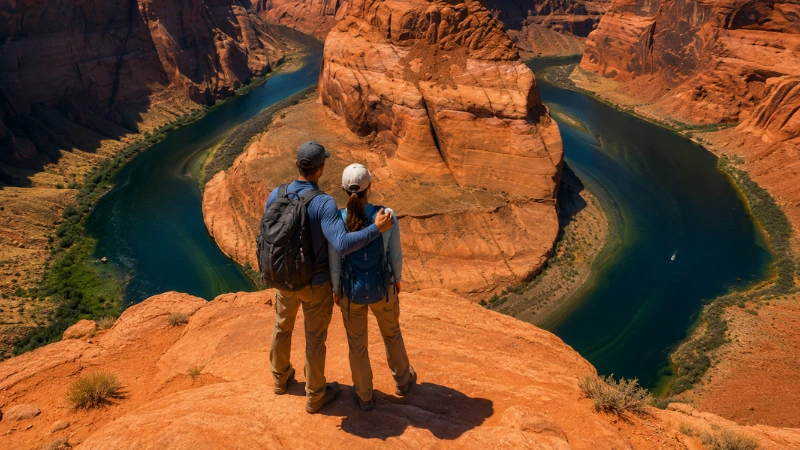
Antelope Canyon is located on Navajo Nation land and requires a guided tour booked well in advance. There are two sections, Upper and Lower, operated by different tour companies. Upper Antelope Canyon draws the largest crowds. Lower Antelope Canyon tends to have shorter lines and equally dramatic light shafts. Booking early is not optional in spring and summer.
For more on timing these day trips, the Best Time to Visit Kanab Utah guide covers how seasons affect everything from crowd levels to road conditions on the dirt routes.
Visit Best Friends Animal Sanctuary
Best Friends Animal Sanctuary, founded in 1984, is the largest no-kill animal sanctuary in the United States and operates on nearly 5,800 acres in Angel Canyon, about 5 miles north of downtown Kanab. On any given day it houses up to 1,600 animals, including dogs, cats, horses, pigs, birds, rabbits, and rehabilitating wildlife.
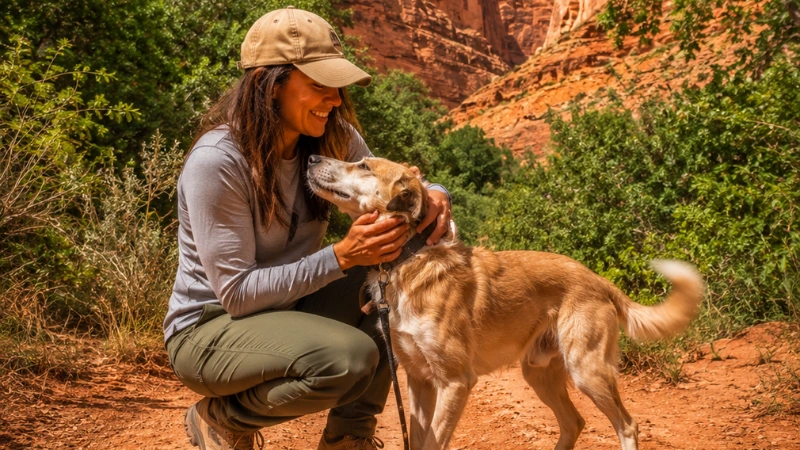
The sanctuary is open daily from 8 a.m. to 5 p.m., with the exception of Christmas Day. Guided tours run throughout the day, are free of charge, and take roughly 90 minutes. Walk-ins are not permitted inside the animal care areas, so signing up online in advance is recommended. Volunteer shifts are also available for visitors who want more direct time with the animals.
This is not a zoo or a drive-through experience. It is a working rescue operation, and most visitors describe it as one of the more genuinely moving stops they make in the entire region. For families, animal lovers, and anyone who needs a break from outdoor recreation, it makes a memorable afternoon.
Walk Kanab’s Little Hollywood History
Kanab hosted over 100 Westerns and television productions starting in 1924 with the silent film “Deadwood Coach,” and the town still carries the nickname “Utah’s Little Hollywood.” Little Hollywood Land on the west side of town preserves sets, props, and photo opportunities from that era. The museum sits on the back of the property and admission is modest.
The town’s Western heritage gives Kanab’s main street a character that goes beyond the usual outdoor gear shops and tour operators. The Kanab restaurants guide covers the standout spots on that same strip worth stopping at before or after a day on the trails. The Western Legends Roundup, held each August, brings cowboy poetry, live music, and memorabilia to town for a long weekend. If your dates are flexible and you enjoy regional history with your hiking, it’s worth timing your visit around the event.
Find the Natural Sand Caves (Moqui Caves)
The natural Moqui Caves sit just off Highway 89 about 3-4 miles north of Kanab and are clearly visible from the road. A short rocky scramble of about 10 minutes gets you up to them. These are the caves that circulate endlessly on social media, which is different from the Moqui Cave Museum below, though the museum is worth a visit on a hot day when you want shade and an indoor activity.
The natural caves are free to visit at any time, require no permit, and catch soft light well in the late afternoon. They make an easy stop on your way in or out of town and take almost no time to add to an existing drive along 89.
Hike Red Hollow Slot Canyon in Orderville
Red Hollow Slot Canyon is about 25 minutes northeast of Kanab near Orderville and is one of the best short hikes in the area for families, visitors with dogs, and anyone who wants a real slot canyon experience without permits, 4WD requirements, or guided tours.
The trail begins in a sandy wash and narrows into a sinuous red sandstone slot. Technical terrain limits how far you can go, but the accessible section is photogenic and requires no special gear or fitness level. This is the right answer for travelers who want to walk a real slot canyon on their own terms.
Use Kanab as Your Base for Zion and Bryce Canyon
This last point is less an activity than a planning decision that makes every item above more manageable. Kanab sits about an hour from Zion’s east entrance and roughly 1.5 hours from Bryce Canyon’s entrance. The Grand Canyon North Rim, Lake Powell, Page, and Antelope Canyon all fall within a reasonable day-trip radius as well.
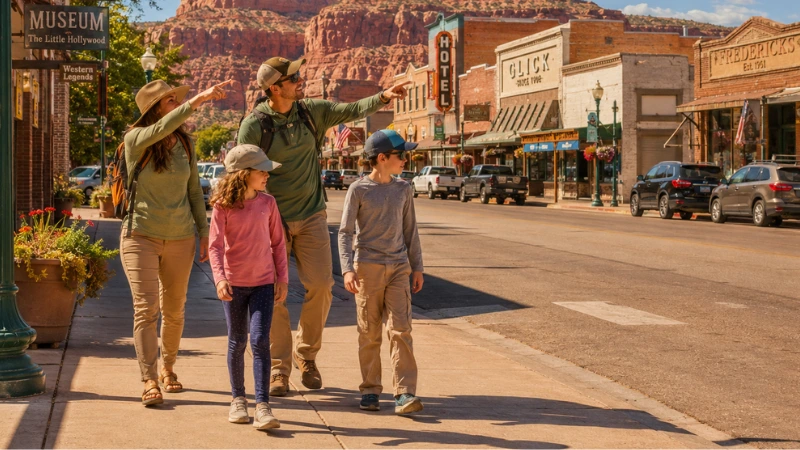
Kanab hotels run noticeably cheaper than Springdale or within Zion, and the range covers everything from budget motels to full cabin-style properties. You avoid shuttle congestion. You gain access to a wider variety of terrain under multiple land agencies, including BLM, state parks, Navajo Nation land, and two national parks, all within a single manageable driving circle. Travelers who choose Kanab as their southern Utah base consistently describe it as a better strategic decision than they expected going in.
For a full breakdown of how to sequence these sites across multiple days, the Weekend in Kanab Utah itinerary maps it out stop by stop. And if you’re still deciding when to go, the Kanab Utah Visitor Guide covers what changes by season, from road conditions on the dirt routes to permit availability and crowd levels at the main sites.
FAQS
How many days do you need in Kanab?
Three days is a comfortable minimum. Two days is workable if you stay focused. Photographers and serious hikers targeting White Pocket, The Wave area, and multiple slot canyons could fill five or six days without repeating themselves.
Do you need a 4WD vehicle in Kanab?
Not for most attractions. Buckskin Gulch, Coral Pink Sand Dunes, Belly of the Dragon, Best Friends, the Toadstool Hoodoos, and the Moqui Caves are all accessible in a standard car. Peekaboo Slot Canyon, the Great Chamber, and White Pocket are easier with 4WD, though guided SxS tours from Kanab outfitters solve that for standard rentals.
Is The Wave worth trying for?
Yes. The hike is extraordinary. The lottery is unpredictable. Enter the advanced lottery four months out and the daily lottery two days before you arrive, then plan full backup days regardless of the outcome.
Is Kanab good for families?
Very good. Coral Pink Sand Dunes, Belly of the Dragon, the Moqui Caves, Best Friends Animal Sanctuary, and Red Hollow Slot Canyon all work well across age groups. The sand dunes are a consistent family highlight.
When is the best time to visit Kanab, Utah?
Spring (March-May) and fall (September-November) offer the best temperatures and trail conditions. Summer is hot but manageable at higher elevations. Winter brings low crowds and sometimes firm dirt roads that make 4WD-required areas more accessible. See the Best Time to Visit Kanab Utah guide for a full seasonal breakdown.
What airport do you fly into for Kanab?
Las Vegas (Harry Reid International) is the closest major airport at 3 to 3.5 hours. Salt Lake City is about 4.5 to 5 hours. Phoenix is approximately 5 hours. A rental car is necessary from any of them.
Can you visit Kanab without booking tours in advance?
Yes for most things. Antelope Canyon always requires advance booking. Best Friends tours require sign-up ahead of time. Wave permits run on a fixed lottery timeline. Everything else, including the sand dunes, Buckskin Gulch, Horseshoe Bend, and the Moqui Caves, can be visited without reservations.