Things to Do in Maui, Hawaii: 35 Best Attractions, Beaches & Hidden Gems (2026 Guide)
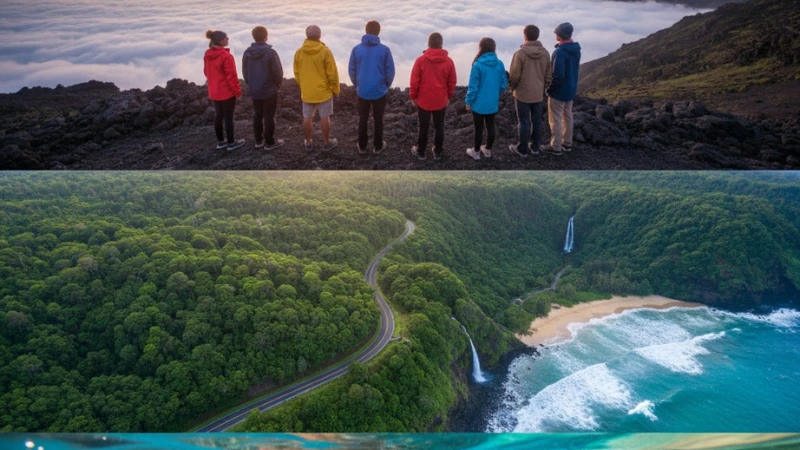
Maui isn’t just the crown jewel of the Hawaiian Islands; it’s a destination that redefines “paradise” with every sunrise. From the volcanic heights of Haleakalā National Park to the legendary coastline of the Road to Hana, Maui, Hawaii, offers a diverse landscape that blends rugged adventure with world-class luxury.
As we move into 2026, the “Valley Isle” has become a beacon for sustainable travel and authentic cultural experiences. Whether you’re snorkeling the crystal-clear waters of Molokini Crater, exploring the historic spirit of Lahaina, or trekking through the lush rainforests of East Maui, this guide covers the 35 best things to do in Maui to ensure your Hawaiian getaway is unforgettable.If you also enjoy city adventures, explore Things to Do in San Francisco.
Where Is Maui Located?
Maui is the second-largest island in the Hawaiian Archipelago, located in the Central Pacific Ocean. It sits between the “Big Island” (Hawaii Island) to the southeast and Moloka‘i to the northwest. It is part of the United States and serves as the county seat for Maui County.
Why Is Maui So Popular?
Maui, Hawaii, is world-renowned for its world-class beaches, the iconic Road to Hana coastal drive, and Haleakalā National Park. It offers a perfect middle ground in Hawaii: it’s more developed and luxurious than Kaua‘i, yet more laid-back and natural than the bustling streets of Honolulu on O‘ahu.
How Many Days Do You Need in Maui?
To experience the island without rushing, 7 to 10 days is the ideal timeframe.
- 3–5 Days: Best for a “highlights” tour (Haleakalā, one beach day, and West Maui).
- 7–10 Days: Allows for the full Road to Hana loop, Upcountry exploration, and multiple snorkeling excursions.
Do You Need a Car in Maui?
Yes, a rental car is essential. While some resort areas like Wailea and Ka’anapali are walkable, Maui’s best attractions—like the summit of Haleakalā and the waterfalls of East Maui—are miles apart with limited public transportation.
2026 Pro-Tip: Book your rental car at Kahului Airport (OGG) at least 3 months in advance to secure the best rates and vehicle availability.
35 Best Things to Do in Maui
To truly understand the best things to do in Maui, you need more than a random checklist. The island’s experiences fall into clear categories based on traveler intent — beaches, adventure, scenic drives, hidden gems, family fun, and romance. We’ll start with what most visitors prioritize first: Maui’s beaches.
Best Beaches in Maui
If you’re searching for the best beaches in Maui, whether for swimming, snorkeling, or simply relaxing with a sunset view, these are the five that consistently stand out. Each offers a different experience — from lively resort beaches to quiet local favorites.
1. Ka’anapali Beach
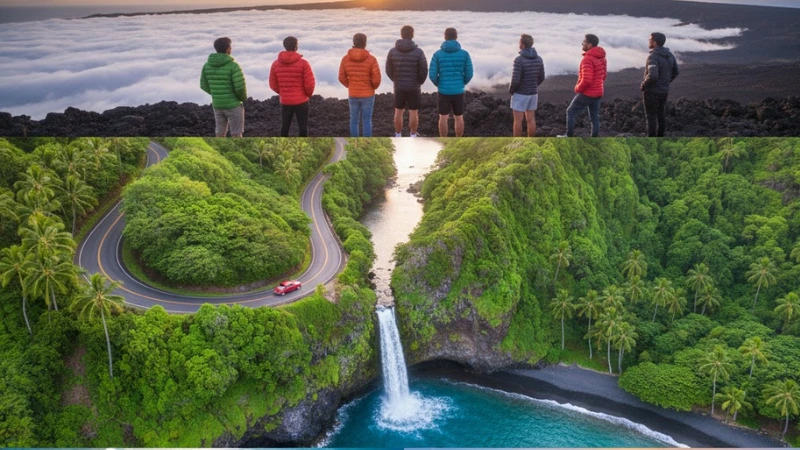
Ka’anapali Beach is one of the most iconic beaches in Hawaii. Located in West Maui, this long stretch of golden sand combines beautiful scenery with easy access to restaurants, resorts, and shopping.
The north end near Black Rock is especially popular for snorkeling, where you can often see tropical fish and sea turtles. In the evening, visitors gather to watch the traditional cliff diving ceremony at sunset.
This is one of the best Maui beaches for swimming thanks to its generally calm waters and lifeguard presence. It’s lively, scenic, and perfect for first-time visitors.
2. Wailea Beach
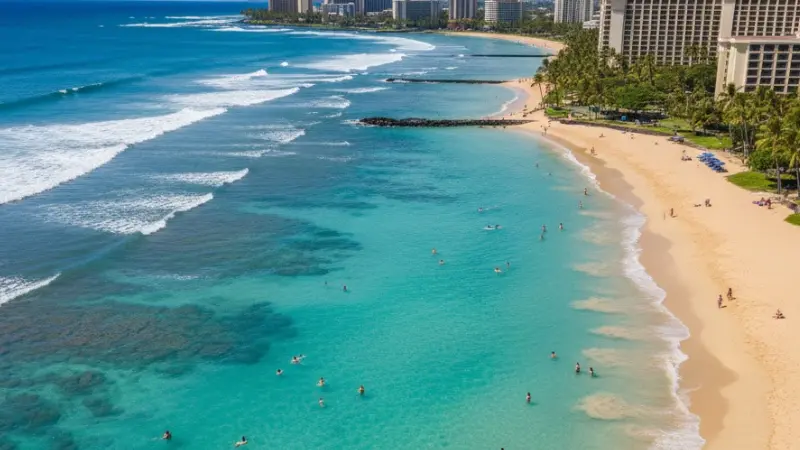
Wailea Beach offers a more peaceful, upscale atmosphere. Located in South Maui, it’s framed by luxury resorts and connected by a beautiful coastal walking path.
The water here is typically calm and clear, making it ideal for swimming and relaxing. It’s less crowded than Ka’anapali and feels more refined.
If you’re looking for a clean, swimmable beach with scenic views and fewer crowds, Wailea Beach is one of the best options in Maui.
3. Napili Bay
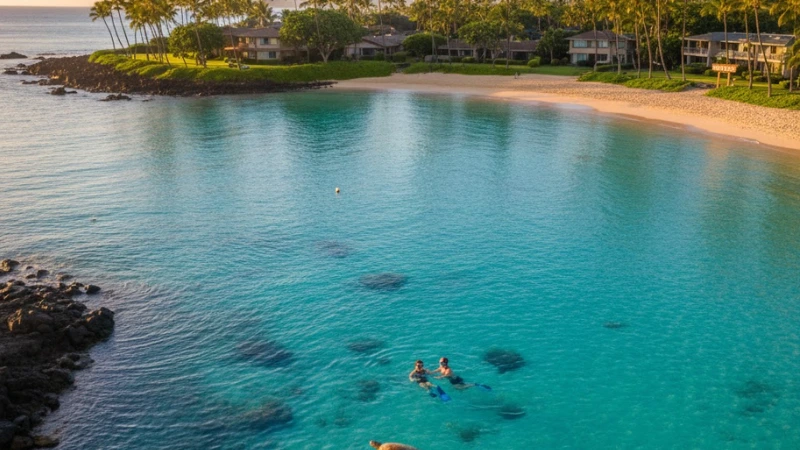
Napili Bay is a crescent-shaped beach known for its calm turquoise waters and excellent snorkeling conditions. Early mornings are especially peaceful, and marine life is abundant.
It’s widely considered one of the top Maui snorkeling beaches, particularly for beginners due to its protected bay setting. Sea turtles are commonly spotted here.
Napili Bay feels intimate and picturesque — ideal if you want natural beauty without the heavy resort vibe.
4. Makena Beach (Big Beach)
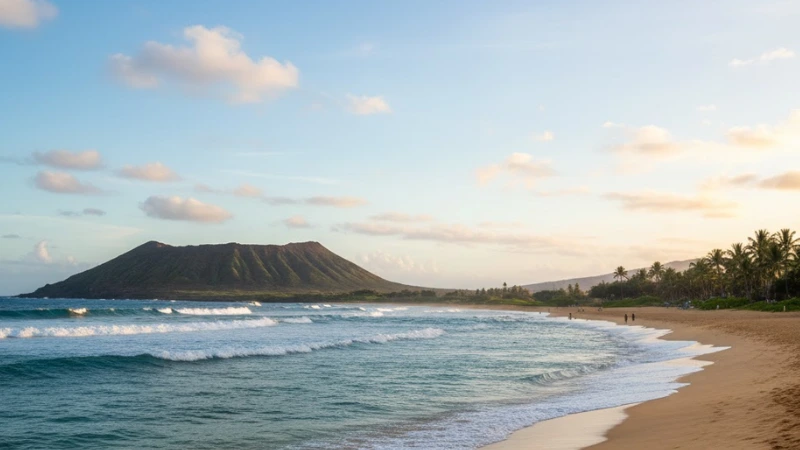
Makena Beach, often called Big Beach, is wide, dramatic, and less developed than the resort beaches. Located in South Maui, it offers powerful scenery with fewer buildings in sight.
The waves can be strong, so it’s better for confident swimmers or those who simply want to relax on the sand and enjoy the views. It’s one of the most photogenic beaches on the island.
If you’re looking for raw, natural Hawaiian beauty, Makena Beach delivers.
5. Baldwin Beach
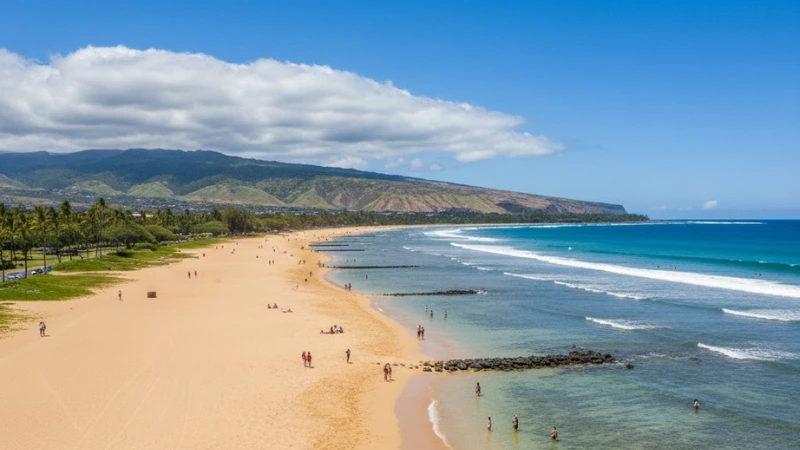
Near the town of Paia, Baldwin Beach is a long stretch of sand that feels more local and less touristy. It’s a great place for quiet walks and uncrowded relaxation.
Ocean conditions vary depending on the season, but when calm, it’s a beautiful spot for swimming and enjoying Maui away from the resort areas.For a quieter coastal experience, check out Things to Do in Pawleys Island.
Iconic Maui Experiences You Can’t Miss
If you’re searching for the top attractions in Maui or wondering what is truly a must do in Maui, these experiences define the island. They go beyond ordinary sightseeing and give you the landscapes, wildlife, and unforgettable moments that make Maui special.
Drive the Road to Hana
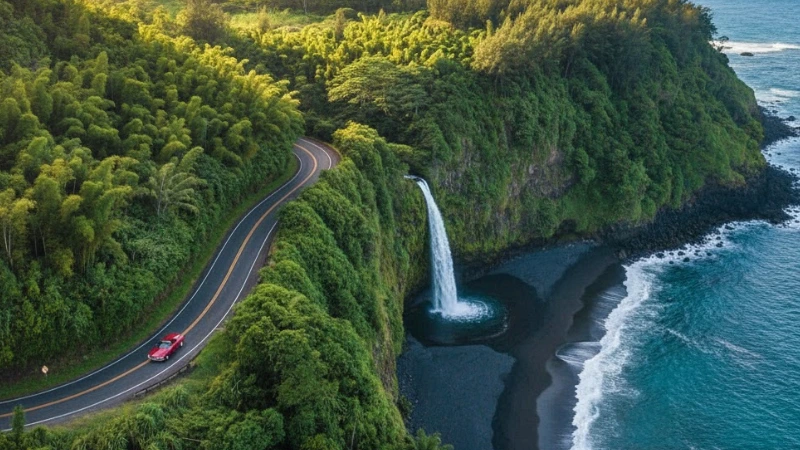
The Road to Hana is one of the most scenic coastal drives in the world, stretching 64 miles along Maui’s lush northeastern shoreline. What makes it unforgettable isn’t just the destination — it’s the journey itself. Along the way, you’ll encounter waterfalls, bamboo forests, dramatic sea cliffs, hidden beaches, and panoramic viewpoints that feel untouched and wild.
To enjoy it properly, start early in the morning before traffic builds up. Most travelers spend 8 to 10 hours exploring with stops. If you self-drive, your main cost is fuel and small parking fees at certain stops, while guided tours usually range between $150 and $250 per person.
Sunrise at Haleakalā National Park

Watching sunrise from above the clouds at Haleakalā is one of the most surreal experiences in Hawaii. At over 10,000 feet elevation, the volcanic crater landscape feels almost otherworldly as sunlight slowly spreads across the massive caldera. The silence, the cool air, and the scale of the scenery make this moment unforgettable.
Sunrise requires advance reservations and very early arrival, but sunset offers equally dramatic views without the pre-dawn wake-up. Plan for around 3 to 4 hours including driving time from resort areas. The park entrance fee is $30 per vehicle and remains valid for three days.
Snorkeling at Molokini Crater
Molokini Crater is a partially submerged volcanic cone located just offshore from South Maui. Its crescent shape protects marine life from strong currents, creating exceptionally clear water and one of the most famous snorkeling sites in Hawaii.
Morning tours offer the calmest conditions and best visibility, often exceeding 100 feet underwater. Most snorkeling excursions last between 3 and 5 hours, and prices typically range from $100 to $200 per person depending on the tour operator and inclusions.
Whale Watching Tours
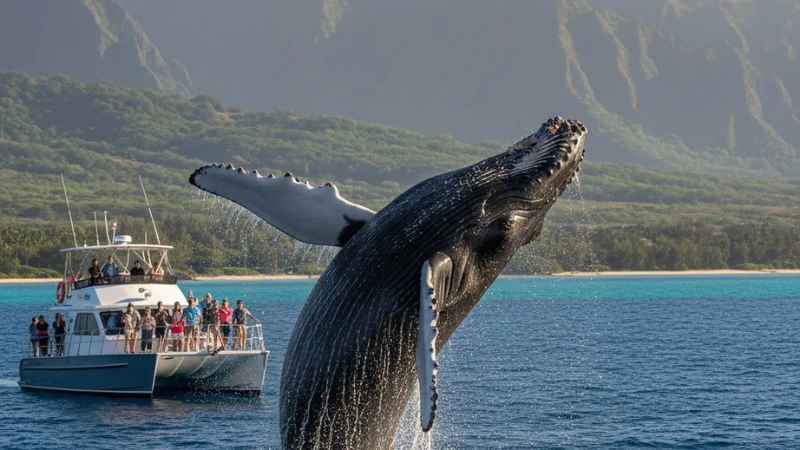
Between December and April, humpback whales migrate to Maui’s warm waters, making it one of the best whale-watching destinations in the world. Seeing a massive whale breach near your boat is an emotional and powerful wildlife experience.
Peak sightings usually occur from January through March. Tours typically last 2 to 3 hours and depart from major harbors like Lahaina or Maalaea. Expect to pay between $80 and $150 per person depending on boat size and tour style.
Nakalele Blowhole
Nakalele Blowhole is a dramatic natural ocean geyser formed by lava rock along Maui’s rugged northwest coastline. When waves crash into the shoreline, water shoots high into the air through a lava tube, creating a powerful and photogenic spectacle.
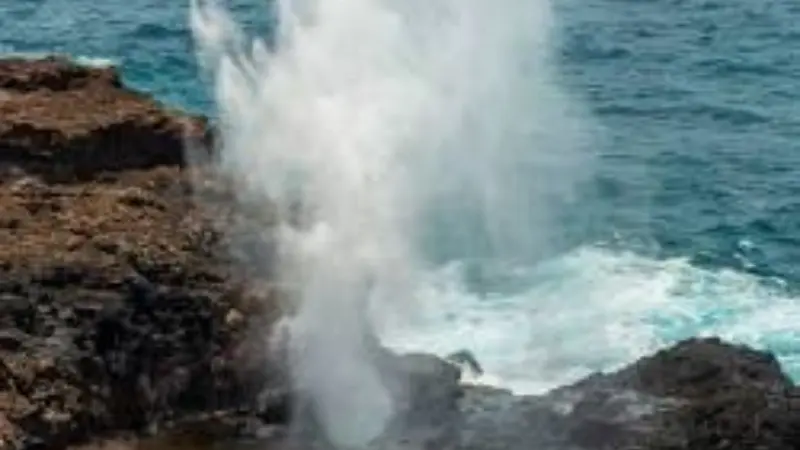
Midday is generally best for visibility, but always check ocean conditions and maintain a safe distance, as waves can be unpredictable. Visitors usually spend about 1 to 2 hours here including the short hike down, and there is no entrance fee, making it one of Maui’s most impressive free attractions.
Hidden Gems in Maui
Beyond the famous beaches and bucket-list attractions, discovering the hidden gems in Maui is what truly elevates your trip. These lesser-known places offer fewer crowds, deeper local character, and landscapes that feel raw and authentic. If you’re searching for unique things to do in Maui, these spots go beyond the typical tourist checklist and reveal the island’s quieter, more untouched side.
Honolua Bay
Honolua Bay is a protected marine preserve on Maui’s northwest coast and one of the island’s most rewarding snorkeling locations. Unlike resort beaches, this bay feels wild and natural, surrounded by steep green cliffs and dense tropical vegetation. Because it’s a conservation area, marine life thrives here, and snorkelers often see vibrant reef fish and sea turtles in exceptionally clear water.
The best time to visit is during the summer months when ocean conditions are calmer and visibility is excellent. In winter, larger swells attract experienced surfers instead of snorkelers. Plan to spend about 1 to 2 hours exploring the bay. There is no entrance fee, but access requires a short walk through a wooded path, and facilities are limited, so bringing water and reef-safe sunscreen is recommended.
Kaihalulu Beach (Red Sand Beach)
Red Sand Beach, also known as Kaihalulu Beach, is one of the most visually unique things to do in Maui. Located near Hana, this small crescent-shaped cove features deep red volcanic sand contrasted against turquoise water and dark lava rock cliffs. Its striking colors and secluded atmosphere make it feel almost otherworldly compared to Maui’s typical golden beaches.
Morning visits are ideal for cooler temperatures and better lighting for photography. Reaching the beach requires a short but narrow coastal trail, so proper footwear and caution are important. Most visitors spend around an hour enjoying the scenery. There is no official entrance fee, but trail and ocean conditions can vary, so always prioritize safety.
Upcountry Maui Farms (Kula Region)
Upcountry Maui, located on the slopes of Haleakalā, offers a cooler climate and sweeping views across the island. Exploring local farms here is one of the most underrated hidden gems in Maui. The region is known for lavender fields, organic produce, local dairies, and small agricultural operations that highlight Maui’s farming traditions.
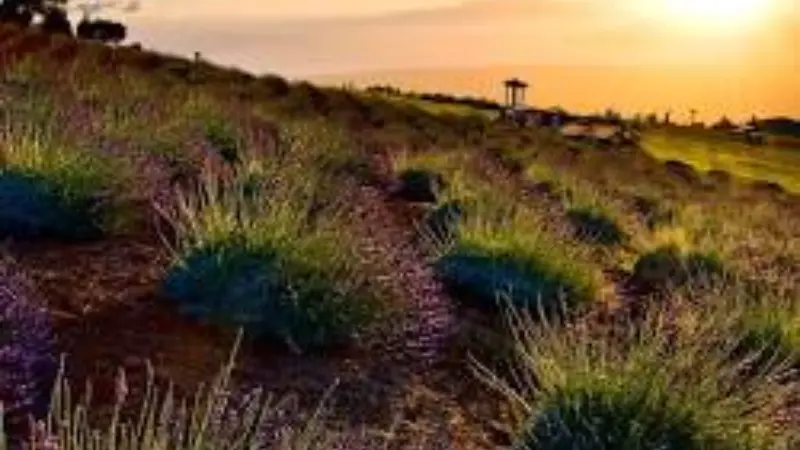
Late morning or early afternoon is the best time to visit when visibility is clear and temperatures are comfortable. You can easily spend 2 to 4 hours driving through the area, stopping at farm stands, and enjoying scenic overlooks. Many farms allow free visits, while guided tastings or specialty tours may cost between $10 and $30 depending on the experience.
Secret Waterfalls Along the Hana Highway
While the Road to Hana draws heavy traffic, several smaller waterfalls along the highway remain less crowded and more peaceful. These hidden cascades provide refreshing swimming holes surrounded by lush rainforest, offering a quieter alternative to the most famous stops.
Waterfalls are most impressive after light to moderate rainfall when the flow is steady. Short stops of 30 minutes to an hour are usually enough to enjoy each location. There is typically no fee for roadside waterfalls, but visitors should respect private property signs and park only in designated areas, as access rules can change.
La Perouse Bay Lava Fields
At the southern end of Makena Road lies La Perouse Bay, where vast lava fields stretch toward the ocean. Formed during Maui’s last volcanic eruption in the late 1700s, this landscape feels rugged and dramatic, with jagged black rock contrasting against bright blue water.
Daytime visits provide the best visibility and safest footing across uneven terrain. Most people spend 1 to 2 hours walking along the coastal trail and photographing the striking volcanic formations. There is no entrance fee, but sturdy shoes are strongly recommended due to sharp lava rock and uneven surfaces.
Exploring these hidden gems adds depth to your Maui itinerary. While many visitors focus only on famous attractions, these lesser-known experiences offer a more authentic and immersive side of the island — one that feels personal, scenic, and far from crowded resort areas.
Best Things to Do in Maui for Families
Planning Maui with kids requires choosing activities that are fun, safe, and flexible. The good news is that Maui is one of the most family-friendly Hawaiian islands. From calm beaches and wildlife encounters to cultural shows and short scenic hikes, there are plenty of family activities in Maui that work for toddlers, teens, and everyone in between.
Safe Beaches for Kids
When traveling as a family, calm water and easy access matter most. Beaches in South and West Maui tend to have gentler conditions, especially during summer months. Wailea Beach and Napili Bay are particularly good options because their protected shoreline reduces strong waves. These beaches allow younger children to safely splash in shallow areas while older kids can try beginner snorkeling.
Morning hours are usually best for calmer ocean conditions. Families often spend 2 to 4 hours enjoying beach time, making it a flexible half-day activity. Public beaches are free, which helps balance out Maui’s higher accommodation costs. For toddlers, pack shade gear and reef-safe sunscreen; for older kids (ages 8+), consider renting snorkel gear for around $15–$25 per day instead of booking expensive tours.
Maui Ocean Center
The Maui Ocean Center is one of the top educational and weather-proof family activities in Maui. This aquarium showcases Hawaiian marine life including sharks, rays, reef fish, and sea turtles. The underwater tunnel exhibit is especially exciting for younger children, offering close-up views without getting wet.
It’s ideal for kids aged 4 to 14, though teens interested in marine biology will also enjoy it. Families typically spend 2 to 3 hours exploring the exhibits. Ticket prices are generally around $35–$45 for adults and slightly less for children, so budgeting ahead is wise. Visiting in the morning helps avoid crowds, especially during peak travel seasons.
Easy Scenic Hikes
Maui offers several short, manageable trails that are perfect for families who want nature without exhausting younger kids. ʻĪao Valley State Monument features a paved walking path to scenic viewpoints, making it suitable for children as young as 3 or 4 with supervision. The views of the lush valley and iconic rock formations are impressive without requiring a strenuous climb.
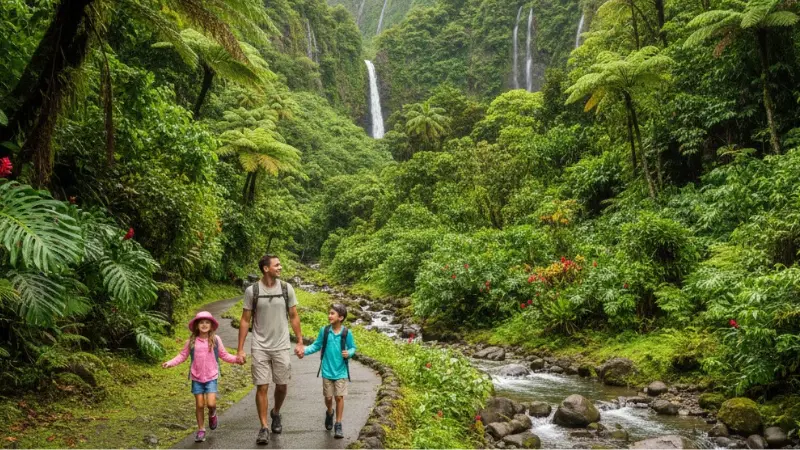
Families with older kids (ages 7+) may enjoy short waterfall trails along the Hana Highway, provided conditions are safe. Most easy hikes take 30 minutes to 1.5 hours, keeping attention spans in mind. Entrance and parking fees at state parks are modest, usually under $10–$30 per vehicle, making hiking one of the more affordable Maui activities for families.
Family-Friendly Luaus
Attending a traditional Hawaiian luau is both entertaining and educational for children. Many luaus in West and South Maui offer interactive elements like lei-making demonstrations, cultural storytelling, and fire dancing performances that keep kids engaged. The combination of music, dance, and buffet-style dining makes it enjoyable for multiple age groups.
Luaus are best suited for children aged 5 and up who can sit through a performance lasting about 2 to 3 hours. Pricing typically ranges from $120 to $200 per adult, with discounted rates for children. To manage costs, families can compare early-booking discounts or choose standard seating instead of premium packages.
Maui works beautifully for family travel when you mix free beach days with a few structured activities. By balancing calm beaches, short outdoor adventures, educational stops, and one memorable cultural experience, families can create a trip that feels both relaxing and meaningful without overspending or overpacking the schedule.
Romantic Things to Do in Maui for Couples
Maui has long been one of the most sought-after destinations for honeymoons and anniversaries — and for good reason. With dramatic sunsets, secluded beaches, luxury resorts, and breathtaking aerial views, the island creates the perfect setting for connection and unforgettable memories. If you’re searching for the most romantic things to do in Maui or planning special Maui honeymoon activities, these experiences offer both intimacy and adventure.
Sunset Cruise Along the Coast
A sunset cruise is one of the most classic romantic things to do in Maui. Sailing along the coastline as the sky turns shades of gold, pink, and deep orange creates a setting that feels almost cinematic. Many cruises depart from Lahaina or Maalaea Harbor and include light appetizers, drinks, and live music, making the evening both relaxing and elegant.
The best time to book is during dry season months when ocean conditions are calmer, though sunset cruises operate year-round. Most experiences last around 2 to 3 hours. Prices generally range from $90 to $180 per person depending on the type of boat and inclusions. For honeymooners, smaller catamaran cruises often feel more intimate than large group tours.
Helicopter Tour Over Maui
Few experiences compare to seeing Maui from the sky. A helicopter tour offers sweeping views of waterfalls hidden deep in valleys, the massive crater inside Haleakalā National Park, and remote stretches of coastline inaccessible by road. The perspective is dramatic and emotional — perfect for couples celebrating something special.
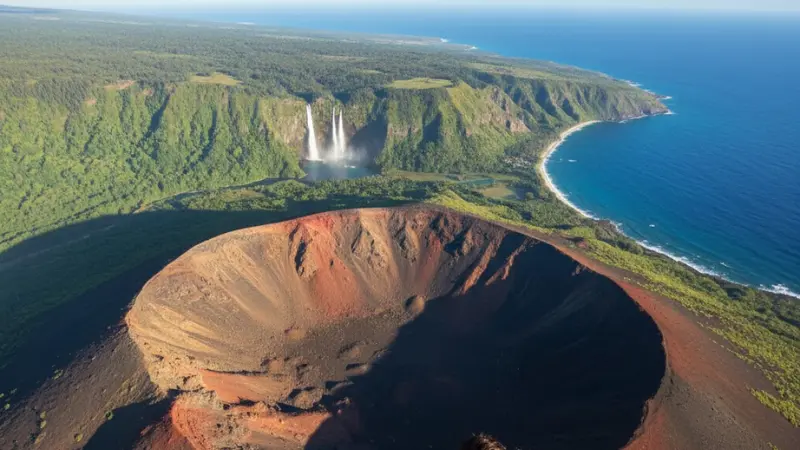
Flights typically last between 45 and 75 minutes and are best scheduled in the morning when visibility is clearest. Prices usually range from $250 to $400 per person, making this one of the more premium Maui honeymoon activities. While it’s an investment, many couples describe it as the highlight of their trip.
Stay at a Luxury Resort in Wailea
For couples seeking relaxation, staying in the Wailea area elevates the romantic atmosphere. Wailea Beach is lined with upscale resorts offering oceanfront pools, private cabanas, spa treatments, and fine dining experiences. The combination of comfort and scenery makes it ideal for honeymoons and anniversary trips.
Romantic experiences here often include couples’ spa treatments, sunset dining by the water, and private beachfront lounging. Nightly rates vary widely by season but typically start around $400 and can exceed $1,000 at high-end properties. Booking during shoulder seasons such as April–May or September–October can help reduce costs while maintaining a luxurious experience.
Private Beach Picnic Spots
Sometimes the most romantic moments are the simplest. Planning a private beach picnic at a quieter location such as Makena Beach or a secluded corner near Napili Bay allows couples to enjoy uninterrupted sunset views with minimal crowds. Bring local takeout, fresh fruit, and a light blanket for a relaxed and intimate evening.
Late afternoon leading into sunset is the most magical time, with softer light and cooler temperatures. This experience can last as long as you wish and costs very little beyond food and parking. For honeymooners wanting something more curated, local companies also offer pre-arranged luxury beach picnic setups at higher price points.
Maui creates romance effortlessly — whether through dramatic helicopter views, elegant sunset sails, luxury resort indulgence, or a quiet evening by the ocean. The key is balancing one or two premium experiences with simple, scenic moments that allow you to slow down and enjoy the island together.
Free & Budget-Friendly Things to Do in Maui
Maui doesn’t have to be expensive to be unforgettable. While some activities like snorkeling tours, whale watching, and sunrise trips are premium, many of the best Maui experiences are free or very budget-friendly if you plan smartly and focus on nature, beaches, and community experiences. Below are some top options for free things to do in Maui as well as low-cost options that let you enjoy the island without overspending.
Scenic Drives Around the Island
One of the best free things to do in Maui is simply hitting the road and exploring. Routes like West Maui’s coastal road or the scenic drive toward South Maui’s lava fields allow you to soak in dramatic views without paying for a tour. This is budget-friendly fun if you already have a rental car — your only cost is fuel.
This can easily fill mornings or afternoons as you stop at roadside overlooks, small beaches, jungle pull-offs, and local food stands. Scenic drives work great for couples, families, and solo travelers alike.
Public Beaches
Every beach in Hawaii is public, which makes beach-hopping one of the most affordable Maui activities. Spots like Baldwin Beach and Makena Beach offer expansive sand and ocean views with no entrance fee, making them perfect for long afternoons of swimming, picnicking, or sunset watching.
If you want to snorkel from shore without a boat tour, many beaches allow you to bring your own gear — saving the cost of guided snorkeling. Pack your own food, drinks, and beach gear for a full beach day at almost no cost.
Hiking Trails and Nature Walks
Maui’s landscapes are best enjoyed on foot, and there are plenty of easy trails that are either free or very affordable. For example, the lush paths at ʻĪao Valley State Monument are perfect for a family walk. There’s usually a small park entrance or parking fee (often under $30 per vehicle), but it’s still one of the more budget-friendly Maui activities.
Other coastal lava trails and jungle paths near hiking pull-offs require no fee and offer dramatic ocean views, wildflowers, and birdwatching. Bring water and sturdy shoes — most hikes take 30 minutes to a few hours depending on your pace.
Local Farmers Markets
Local farmers markets are one of the best hidden gems for budget travelers. These markets give you a taste of Maui’s local fruit, coffee, baked goods, and crafts without restaurant prices. Many items like fruit cups, banana bread, and smoothies can cost under $10–$25 total, making this a tasty and affordable part of your Maui trip.
These markets are also great for interacting with locals, sampling tropical fruit like pineapple or lychee, and finding unique souvenirs that are cheaper than resort gift shops.
Small Budget Cost Guide
Here’s a quick breakdown of typical cost levels you can expect for various Maui activities — helping you plan a Maui trip that matches your budget:
| Activity | Typical Cost | Notes |
| Scenic Beach Days | $ | All public beaches are free; optional parking or rentals may cost extra |
| Local Farmers Markets | $–$$ | Street food and produce can be affordable (under $25) |
| Hiking Trails | $–$$ | Some moderate parking fees at State Parks |
| Molokini Snorkel Tour (small boats) | $$–$$$ | From approx. $112–$232+ per person |
| Whale Watching Tour | $$ | Standard cruises from ≈ $60–$100+ per person in season |
| Maui Ocean Center All-Day Admission | $$ | ≈ $50–$55 per adult, $44+ per child |
Maui Itinerary Ideas
Building a smart itinerary is what turns a good Maui trip into a perfectly balanced one. Many guides list attractions, but few show you how to organize them efficiently by region. The key to maximizing your time is grouping activities by location to reduce driving and avoid burnout. Below are structured 3-day, 5-day, and 7-day Maui itinerary ideas designed to balance beaches, adventure, and relaxation while minimizing backtracking across the island.
A 3-day Maui itinerary works best when you focus on highlights. On Day 1, settle into West or South Maui with beach time at Ka’anapali or Wailea followed by a sunset dinner or cruise. Day 2 is ideal for driving the Road to Hana, starting early and dedicating the full day to waterfalls and coastal views. On Day 3, wake before dawn for sunrise at Haleakalā National Park, then relax in the afternoon with snorkeling at Molokini Crater or a calm beach session. This short itinerary prioritizes Maui’s most iconic experiences without overpacking your schedule.
A 5-day Maui itinerary allows more breathing room. After covering the major highlights, dedicate an additional day to West Maui’s scenic coastline and hidden bays like Honolua, and another day exploring Upcountry farms and the cooler slopes of Haleakalā. With 7 days in Maui, you can slow the pace significantly — adding a helicopter tour, whale watching (in season), lava field hikes near La Perouse Bay, and multiple relaxed beach mornings. A week-long trip lets you mix adventure days with restorative downtime, which is often what travelers remember most. By structuring your visit this way, you create flow, reduce stress, and experience Maui in a way that feels intentional rather than rushed.
Best Time to Visit Maui
Choosing the best time to visit Maui depends on what matters most to you — weather, budget, whale watching, or avoiding crowds. Maui has warm temperatures year-round, typically ranging between 75°F and 88°F, but conditions vary slightly by season. Understanding Maui weather by month helps you plan smarter and match your trip to your priorities.
The cheapest months to visit Maui are generally April through early June and September through mid-October. These “shoulder seasons” offer fewer crowds, lower hotel rates, and more availability for tours. Weather during these months is still sunny and warm, with lower humidity compared to peak summer. If you’re planning budget Maui travel, this is the sweet spot for balancing good weather and better pricing.
Peak season runs from mid-December through March and again in summer (June through August). Winter attracts holiday travelers and snowbirds escaping colder climates, which drives up accommodation prices. However, winter is also whale season, typically from December to April, with peak sightings between January and March. This is one of the best times for wildlife lovers. As for rain, Maui’s rainy months are usually November through March, though showers are often brief and localized, especially in areas like Hana and the island’s north shore. South and West Maui generally stay sunnier year-round, making them reliable bases regardless of season.
Is Maui Expensive?
Maui is often considered one of the more expensive Hawaiian islands, especially compared to mainland U.S. destinations. However, the total cost of your trip depends heavily on travel season, accommodation style, and how many tours you book. Understanding realistic pricing helps you set expectations and plan smarter.
Hotel average cost varies widely by location and season. In popular areas like Wailea and Ka’anapali, mid-range hotels typically start around $250–$400 per night during shoulder season and can exceed $500–$700 per night during peak winter months. Luxury oceanfront resorts often range from $700 to $1,200+ per night. Budget travelers can reduce costs by booking condos or vacation rentals with kitchens, especially for stays longer than four nights.
Food prices in Maui are higher than the U.S. average due to import costs. Casual meals at food trucks or local cafés typically range from $15–$25 per person, while mid-range restaurant dinners average $25–$45 per entrée. Fine dining experiences can exceed $60+ per person before drinks. Grocery shopping and preparing some meals yourself can significantly lower daily spending.
Tour costs depend on the activity. Snorkeling tours to Molokini often range from $120–$200 per person, whale watching tours (in season) average $80–$150, and helicopter tours typically cost $250–$400 per person. While these add up, many of Maui’s best experiences — beaches, scenic drives, hiking trails — are free.
A realistic daily budget estimate per person looks like this:
Budget traveler: $150–$250 per day (shared lodging, limited tours, casual meals)
Mid-range traveler: $300–$500 per day (hotel stay, 1–2 tours, dining out)
Luxury traveler: $600+ per day (resort stays, premium tours, fine dining)
Car rental advice: Renting a car is strongly recommended, as public transportation is limited and most top attractions require driving. Daily rental rates typically range from $50–$120 depending on season and vehicle type. Booking several weeks in advance — especially for winter travel — helps secure better rates. Smaller vehicles are easier to maneuver on narrow roads like the Road to Hana and often cost less.
Maui can be expensive, but it’s flexible. By mixing free outdoor activities with one or two premium experiences, you can control your budget while still enjoying the island’s most iconic highlights.
Getting Around Maui
Transportation planning is one of the most important parts of organizing your trip. Maui’s attractions are spread across different regions — West Maui, South Maui, Upcountry, and East Maui — and there’s no central city hub connecting everything. Understanding how to move around efficiently will save you time, stress, and money.
Car Rental Tips
Renting a car is strongly recommended for almost every visitor. Many of the best things to do in Maui — including the Road to Hana, beaches in Wailea, and sunrise at Haleakalā National Park — are not accessible by tour shuttles or public transportation.
Book your rental several weeks in advance, especially if traveling during peak season (December–March and summer months). Compact or midsize vehicles are usually sufficient and more affordable than SUVs. Unless you plan extensive off-road exploration, a standard 2WD vehicle handles most Maui roads comfortably.
Parking Information
Parking availability depends on location and time of day. Popular beaches in West and South Maui can fill up quickly, especially between 10 AM and 2 PM. Arriving early in the morning increases your chances of finding convenient parking.
Some state parks and scenic areas charge small parking or entrance fees, often paid per vehicle. In resort areas like Wailea and Ka’anapali, public beach access parking exists but may require short walks. Always park only in designated areas to avoid fines.
Public Transportation
Maui does have a public bus system, but it is limited and not designed for sightseeing. Routes primarily serve local commuters and connect major towns rather than tourist attractions. Travel times can be long, and buses may not run frequently in remote areas.
Rideshare services like Uber and Lyft operate in busier areas such as Kahului, Kihei, and Lahaina, but availability may be inconsistent in rural parts of the island. For full flexibility and convenience, a rental car remains the best option.Planning global trips? Don’t miss Things to Do in Nairobi Kenya.
Driving the Road to Hana Advice
Driving the Road to Hana requires patience and preparation. The highway includes hundreds of curves and numerous narrow one-lane bridges. Start early in the morning to avoid heavy traffic and download offline maps in case of limited cell service.
Drive slowly, yield at one-lane bridges, and never block local traffic. Pull over only in designated areas, and respect private property signs. The journey can take 8–10 hours round trip if you stop frequently, so plan your day accordingly and bring water and snacks.
Getting around Maui is straightforward when you plan ahead. With the right vehicle, smart timing, and awareness of local conditions, you’ll be able to explore the island comfortably and confidently.
What to Eat in Maui
Food is a huge part of the Maui experience. The island’s cuisine blends Native Hawaiian traditions with Asian, American, and Polynesian influences, creating flavors that feel both fresh and unique. From casual beachside bites to farm-to-table dining, Maui offers something for every budget and taste.
Poke
Poke (pronounced “poh-keh”) is one of Hawaii’s most iconic dishes and a must-try while visiting Maui. Traditionally made with diced raw ahi tuna, soy sauce, sesame oil, seaweed, and green onions, poke is fresh, light, and packed with flavor. You’ll find variations that include salmon, octopus, or spicy marinades.
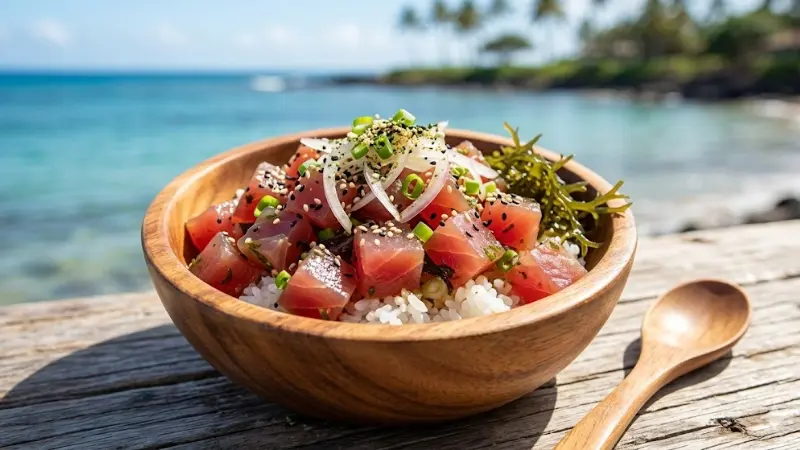
For the freshest experience, visit local grocery stores or small seafood counters rather than resort restaurants. A generous poke bowl typically costs between $15 and $25 and makes a perfect beach-day lunch. It’s especially popular in warm midday weather when lighter meals feel more refreshing.
Shave Ice
Shave ice is Maui’s answer to dessert on a hot tropical afternoon. Unlike traditional snow cones, Hawaiian shave ice is finely shaved, creating a soft, fluffy texture that absorbs flavored syrups evenly. Popular flavors include pineapple, coconut, passion fruit, and guava, often topped with condensed milk or a scoop of vanilla ice cream at the bottom.
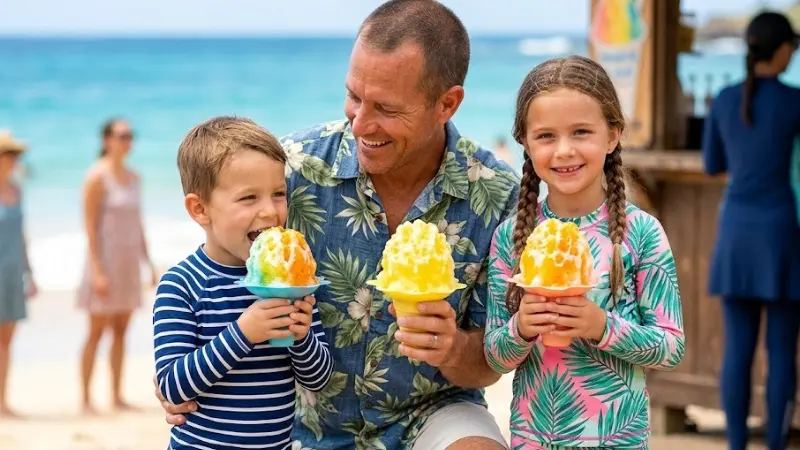
This sweet treat is ideal after a beach day or scenic drive. Most shave ice stands charge around $6 to $10 depending on size and toppings. It’s fun for kids and nostalgic for adults — a simple but essential island experience.
Food Trucks
Maui’s food truck scene offers some of the best value meals on the island. In areas like Kihei, Kahului, and near the airport, you’ll find trucks serving garlic shrimp, Korean BBQ, tacos, fresh fish plates, and fusion cuisine that reflects the island’s multicultural roots.
Food trucks are perfect for budget Maui travel because meals usually range from $15 to $25, often in generous portions. They’re casual, quick, and ideal for travelers who want high-quality food without formal restaurant prices. Visiting during lunch hours often provides the freshest options and shorter lines.
Local Must-Try Dishes
Beyond poke and shave ice, Maui has several local specialties worth trying. Plate lunch is a classic island staple, typically consisting of rice, macaroni salad, and a protein such as teriyaki chicken or kalua pork. Kalua pork, slow-roasted in an underground oven called an imu, has a smoky, tender flavor that reflects traditional Hawaiian cooking.
Fresh grilled mahi-mahi and ono (wahoo) are also popular choices at seafood restaurants. For breakfast, try Portuguese sausage with eggs or loco moco — a hearty dish featuring rice, hamburger patty, fried egg, and gravy. Sampling these dishes gives you a fuller taste of Maui’s cultural and culinary identity.
Eating in Maui doesn’t have to be overly expensive. By mixing food trucks, grocery store poke, and one or two special dinner experiences, you can enjoy authentic island flavors while keeping your travel budget balanced.
FAQs
What are the top things to do in Maui?
The top things to do in Maui include driving the Road to Hana, watching sunrise at Haleakalā National Park, snorkeling at Molokini Crater, relaxing on beaches like Ka’anapali and Wailea, and going whale watching in winter. These experiences combine scenery, adventure, and wildlife into a well-rounded Maui trip.
Is 3 days enough for Maui?
Three days in Maui is enough to see major highlights like Haleakalā, the Road to Hana, and at least one snorkeling or beach day. However, 5 to 7 days is ideal for a more relaxed pace that includes hidden gems, Upcountry exploration, and multiple beach experiences.
Do you need a car in Maui?
Yes, renting a car in Maui is highly recommended. Public transportation is limited and most top attractions, including scenic drives and national park areas, are only accessible by car. A rental gives you flexibility to explore beaches, waterfalls, and remote viewpoints on your schedule.
What should I not miss in Maui?
You shouldn’t miss the Road to Hana, sunrise or sunset at Haleakalā National Park, snorkeling in clear Pacific waters, and at least one unforgettable Maui sunset. These signature experiences capture the island’s volcanic landscapes, coastal beauty, and unique atmosphere.
Is Maui good for first-time Hawaii visitors?
Yes, Maui is excellent for first-time Hawaii visitors. It offers a balanced mix of beautiful beaches, dramatic scenery, cultural experiences, and outdoor adventures without feeling overwhelming. The island’s variety makes it easy to design a trip that suits different travel styles.
When is whale season in Maui?
Whale season in Maui runs from December through April, with peak sightings between January and March. During this time, humpback whales migrate from Alaska to Maui’s warm waters, making it one of the best places in the world for whale watching tours.