Best Time to Visit Sequoia National Park
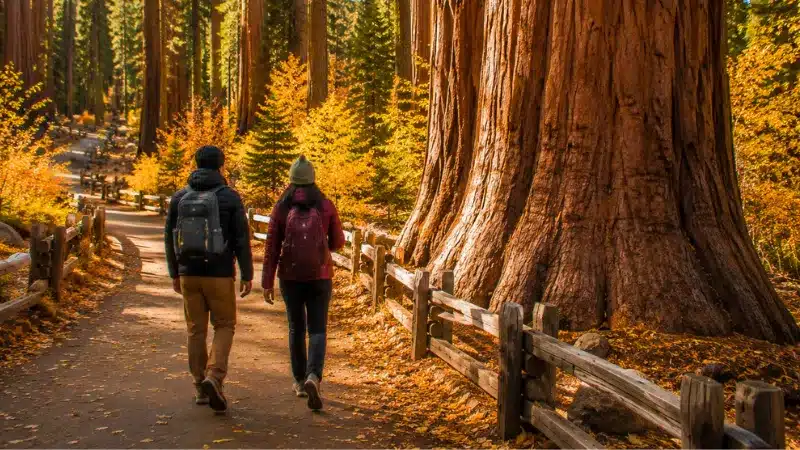
Sequoia is two different parks on the same day. Down in the foothills it can be a 90-degree scorcher while the giant forest, a short drive uphill, stays cool enough for a jacket. That single fact decides more about your trip than the calendar month does, and it’s why “just go in summer” is incomplete advice.
The best time to visit Sequoia National Park is May through October, when the roads, trails, and lodges are all open. For the quietest trip with the weather still on your side, target late September into early October. This guide breaks down each season by crowds, snow, and what’s actually open, so you can pick the window that fits how you want to see the trees.
What Is the Best Season to Visit Sequoia at a Glance?
Here’s how the four seasons compare on the things travelers actually decide on.
| Season | Crowds | Weather in the Groves | What’s Open | Best For |
|---|---|---|---|---|
| Spring (Apr–May) | Low to moderate | Cold nights, mild days, possible snow | Most main roads; chains may still be needed | Wildflowers, waterfalls, quiet trails |
| Summer (Jun–Aug) | Heavy | Comfortable; foothills 90°F+ | Everything | First-timers wanting full access |
| Fall (Sep–Oct) | Light to moderate | Mild, crisp | Most things until late-season closures | The best overall balance |
| Winter (Nov–Mar) | Very light | Cold, snowy | Limited; chains required | Snow scenery, solitude |
Summer gives you everything open but the most company. The shoulder seasons trade a little access for a lot more breathing room.
When Is the Best Time to Visit for Fewer Crowds?
Late September into October is the sweet spot. Summer days can draw nearly double the visitors of a typical spring or fall day, and the crush is real at the popular stops. By early fall the school crowds are gone, the weather still holds, and the main roads are open.
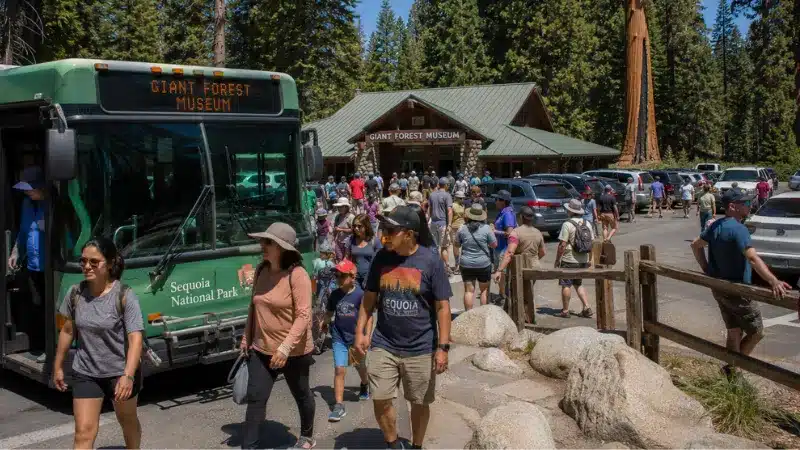
If you can only come in summer, the crowds are manageable if you move early. The park itself recommends arriving before 9am or after 3pm to cut entrance and parking waits, and weekends are noticeably busier than weekdays. The free in-park shuttle helps once you’re inside, since it drops the hunt for parking at the busiest lots. Many travelers map out a Sequoia National Park itinerary before locking in dates so they’re not circling full lots during peak hours.
When Is the Best Time for Hiking and Full Park Access?
Summer, without much debate. From June through August every road, campground, and trail is typically open, including the seasonal high-country areas. This is the only window where you can reliably do everything in one trip.
Spring is excellent for lower-elevation hiking when the foothills green up and waterfalls run hard, but the giant forest sits high enough that snow can linger into May and chains may still be required on park roads. If a specific high trail is on your list, the roundup of best hikes in Sequoia National Park shows which ones open only in summer.
When Is the Best Time to See Snow and Avoid Crowds?
Winter, roughly November through March, is when the sequoias stand in fresh snow and the park feels nearly empty. It’s a genuinely different experience, and snowshoeing among the giants is a draw on its own.
It comes with real trade-offs. Chains or cables are required to be carried in your vehicle in the park’s chain control zones during winter, even with four-wheel drive, and the road between Sequoia and Kings Canyon closes when snow makes it impassable. Moro Rock and Crescent Meadow roads close to vehicles once snow accumulates. Plan a winter trip around the giant forest and Wuksachi area rather than expecting full access, and check current road status before you drive up.
Season-by-Season Breakdown
Spring in Sequoia National Park
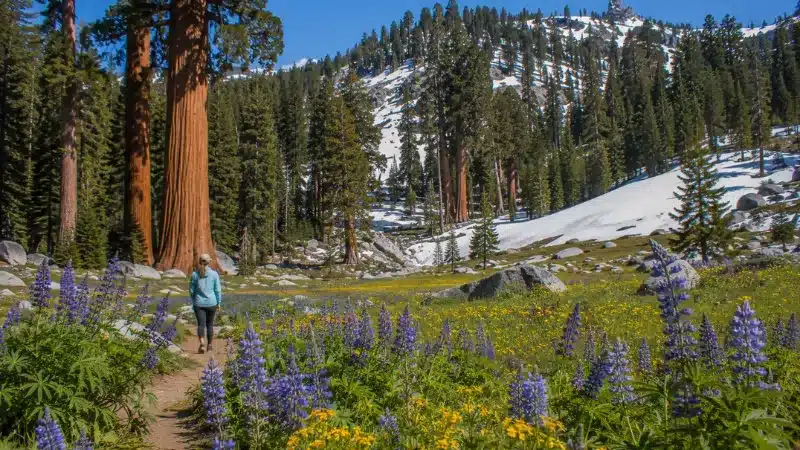
Spring is the quiet, green season at lower elevations and still winter up high. Foothills warm into the 70s by May with wildflowers and full waterfalls, while the groves can still see snow and chain controls. Crowds are low, building from very light in March toward busier by late May. It’s a strong pick if you’re comfortable with cold mornings and possible snow driving in exchange for solitude.
Summer in Sequoia National Park
Summer is peak everything: full access, warm comfortable days in the groves, open campgrounds, and ranger programs. The catch is the crowds and the foothills heat, which regularly tops 90 degrees. This is the right season for a first visit when you want to see the whole park in one go, as long as you start your days early to beat the lines.
Fall in Sequoia National Park
Fall is the underrated winner. Early fall stays warm with highs often in the 60s and 70s, crowds thin out fast after Labor Day, and the main roads stay open into the season. Later in fall, higher and seasonal areas begin shutting down for winter, so aim for September and early October. There’s still plenty of open access for the top things to do in Sequoia before the late-season closures begin.
Winter in Sequoia National Park
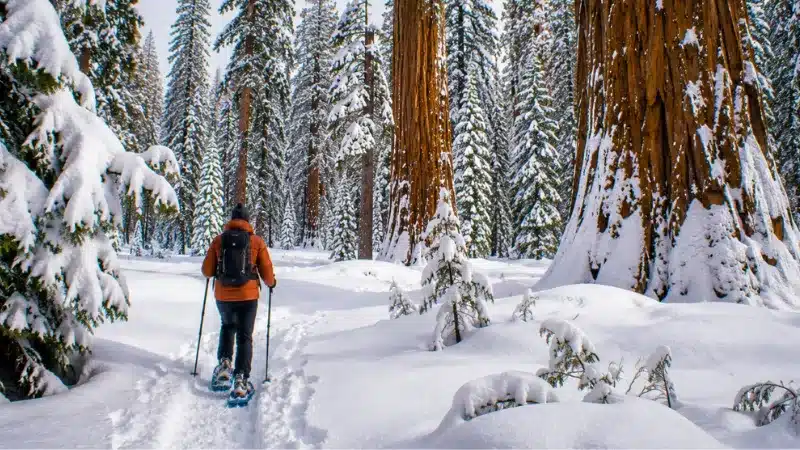
Winter turns the park into a snow-globe version of itself, with the giants draped in white and barely anyone around. Access shrinks: chains are required, the cross-park road closes in snow, and several roads close to vehicle traffic. It’s for travelers who want scenery and solitude over a full checklist, and who don’t mind winter driving.
What’s Closed and When?
A few areas run on their own seasonal clock, and missing this detail derails trips. The road between Sequoia and Kings Canyon closes in winter. Cedar Grove in Kings Canyon and the Mineral King area in Sequoia are seasonal, and both have been closed due to severe winter-storm road damage, so confirm their status on the official park site before planning around them. There’s also no gas anywhere inside the park, so fill up in Three Rivers on the way in, and entry is cashless. If lodging factors into your timing, the guide on where to stay near Sequoia National Park breaks down which bases stay open year-round.
What to Pack for Each Season
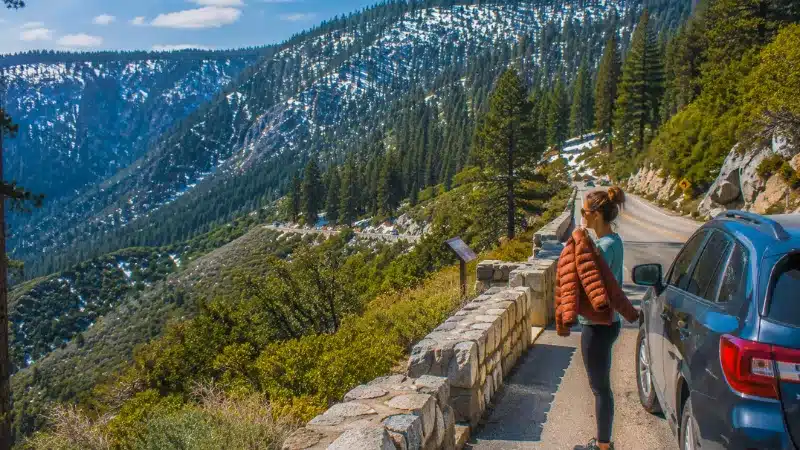
Because of the elevation spread, pack for the groves, not the foothills. Even in summer, mornings and evenings up at 6,500 to 7,200 feet are cool, so bring a warm layer no matter the month. Families planning around Sequoia National Park with kids should pack an extra warm layer for the cool grove mornings. Spring and fall add rain and possible snow, so waterproof shoes and a real jacket earn their place. Winter means chains, warm boots, and traction gear. Year-round, sun protection matters at altitude.
Frequently Asked Questions
What is the best month to visit Sequoia National Park?
Early to mid-September. You get warm days, open main roads, and far fewer people than midsummer.
Is Sequoia National Park crowded in summer?
Yes, summer is the busiest season. Arrive before 9am or after 3pm and use the in-park shuttle to avoid the worst of the parking and entrance waits.
Can you visit Sequoia National Park in winter?
Yes, the park is open year-round, but you’ll need to carry chains, some roads close, and access is limited mainly to the giant forest and Wuksachi areas.
When does the snow melt in Sequoia?
It varies by year and elevation. The foothills clear early, but snow in the giant forest can linger into May, sometimes later after heavy winters.
Is Mineral King open?
Check before you go. Mineral King is seasonal and has been closed due to winter-storm road damage, so confirm current status on the park’s official site.