Cheapest Place to Travel in Italy: 12 Affordable Destinations for 2026
Italy does not have to cost a fortune. While Venice, the Amalfi Coast, and central Florence can stretch a travel budget, plenty of Italian cities and coastal towns offer beautiful scenery, historic streets, delicious local food, and memorable experiences for less.
The cheapest place to travel in Italy depends on what you want from your trip. Palermo and Catania are excellent options for affordable food and Sicilian culture. Naples offers world famous pizza, historic neighborhoods, and easy access to Pompeii. Lecce and Bari are great choices for exploring Puglia, while Calabria has beaches that can be much more affordable than Italy’s most famous coastal resorts.
For many budget travelers, Palermo, Sicily, is one of the strongest choices for an affordable Italian city break, while Naples is particularly convenient for first time visitors who want history, food, and day trips. If you prefer quiet towns and coastal scenery, Calabria and inland Basilicata deserve a place on your itinerary.
This guide compares 12 affordable destinations, explains realistic daily budgets, and shares practical ways to spend less without missing the best of Italy.
What Is the Cheapest Place to Travel in Italy?
Palermo is one of the best value major cities in Italy, thanks to its street food, historic neighborhoods, markets, and range of guesthouses. Naples is another excellent choice, especially for travelers who want a lively city with easy access to famous archaeological sites.
For beach holidays, Reggio Calabria and Tropea can offer better value than the Amalfi Coast. For architecture and relaxed sightseeing, Lecce and Matera are worth considering.
Your cheapest option will depend on the total cost of getting there, not just local prices. A town with inexpensive hotels may become less affordable if flights are expensive or you need to rent a car.
Here is a quick comparison to help you decide where to start.
| Destination | Best for | Suggested daily budget per person |
|---|---|---|
| Palermo | Street food and culture | €55 to €85 |
| Catania | Sicily, markets, and Mount Etna | €55 to €85 |
| Naples | Pizza, history, and day trips | €60 to €90 |
| Reggio Calabria | Affordable coastal stays | €50 to €80 |
| Tropea | Beaches and seaside scenery | €60 to €100 |
| Bari | Coastal city breaks | €60 to €95 |
| Lecce | Architecture and local food | €60 to €90 |
| Matera | Historic cave districts | €65 to €100 |
| Noto | Baroque architecture and Sicily | €60 to €95 |
| Ancona | Adriatic beaches and city life | €65 to €100 |
| Pesaro | Relaxed seaside holidays | €65 to €100 |
| Urbino | Art, history, and quiet streets | €60 to €90 |
These are planning estimates rather than live prices. They assume budget accommodation, inexpensive meals, and mostly walking or public transport. Flights, intercity travel, expensive tours, and peak season accommodation can increase the total.
1. Palermo, Sicily
Palermo is a particularly attractive destination for travelers who want to experience Italy without spending every day in expensive restaurants or paid attractions. Sicily’s capital combines historic architecture, lively markets, churches, coastal views, and some of the country’s most distinctive street food.
The city is also a good place to slow down. Instead of filling every day with expensive tours, you can explore the historic center on foot, stop for an inexpensive snack, and spend time discovering neighborhoods at your own pace.
What to See in Palermo on a Budget
Start around Quattro Canti, the famous intersection surrounded by ornate Baroque facades. Continue toward Palermo Cathedral, explore the streets around the historic center, and visit local markets such as Ballarò or Capo.
Many streets and outdoor landmarks can be enjoyed for free. Some churches, museums, and historic buildings charge admission, so check opening hours and ticket prices before visiting.
Palermo’s food culture is another reason to choose it. Panelle, arancine, sfincione, and other local specialties give you the chance to try traditional Sicilian flavors without booking a formal restaurant meal every time.
How Much Should You Budget?
A traveler staying in a simple guesthouse and eating mostly street food could plan around €55 to €85 per day, depending on the season and accommodation. A private room during summer can cost considerably more than a hostel bed in the quieter months.
Best for: Food lovers, culture seekers, couples, and first time visitors who want a lively city with plenty to explore on foot.
2. Naples, Campania
Naples is one of the strongest choices if you want an affordable city break with plenty of history, food, and opportunities for day trips. It has a busy atmosphere, narrow historic streets, traditional neighborhoods, and a food culture that makes eating well on a modest budget relatively easy.
A trip to Naples can also give you access to some of southern Italy’s best known sights without paying to stay in the most expensive coastal resorts.
Things to Do Without Spending Much
Explore the historic center, walk along Spaccanapoli, admire the city’s churches and architecture, and look for local pizzerias away from the most tourist focused streets.
Naples is also a convenient starting point for visiting Pompeii and Herculaneum. Both archaeological sites require planning and paid admission, but public transport can help you avoid the expense of a private tour.
The Amalfi Coast and Capri are possible day trips too. Keep in mind that ferry tickets, local buses, and excursions can add up, especially during the summer. Staying in Naples rather than Positano or Capri may save money on accommodation.
Budget Tips for Naples
Choose accommodation close to useful public transport rather than paying extra for a famous view. Walk between nearby attractions, eat at local pizzerias, and compare transport options before booking a day trip.
A daily budget of approximately €60 to €90 can work for a budget traveler, although accommodation choice and sightseeing plans make a significant difference.
Best for: First time visitors, history lovers, food enthusiasts, and travelers who want several day trip options.
3. Catania, Sicily
Catania is a useful alternative to Palermo if you want to explore eastern Sicily. Located near Mount Etna, the city combines historic squares, Baroque architecture, markets, and access to coastal towns.
It can be a practical base for travelers who want to explore several places without changing hotels every night.
What Makes Catania Affordable?
The historic center is walkable, and local markets provide opportunities to eat without relying on sit down restaurants. You can spend time around Piazza del Duomo, explore the streets near the fish market, and admire the city’s architecture at your own pace.
Catania is also a starting point for trips to Mount Etna, Syracuse, and Taormina. Regional trains and buses may cost less than organized excursions, although service times and connections should be checked before setting off.
Mount Etna trips can require a separate budget, particularly if you choose a guided excursion or cable car experience.
How to Keep Costs Down
Stay near the historic center or a convenient transport connection. Compare the cost of guided Etna tours with independent travel, and avoid assuming that every nearby attraction is easy to reach by public transport.
A budget of around €55 to €85 per day is a reasonable starting estimate for a simple trip.
Best for: Outdoor enthusiasts, food lovers, and travelers who want to explore eastern Sicily.
4. Reggio Calabria, Calabria
Reggio Calabria is an appealing option for visitors who want coastal views without automatically choosing one of Italy’s most expensive beach destinations. Located across the Strait of Messina from Sicily, it has a seaside promenade, city beaches, and views across the water.
The city can be especially useful for travelers interested in exploring southern Calabria or continuing their journey toward Sicily.
Things to Do in Reggio Calabria
Walk along the Lungomare Falcomatà, enjoy views of the Strait of Messina, and explore the city center. The National Archaeological Museum of Reggio Calabria is another notable attraction, particularly for visitors interested in ancient Greek history.
Some of the best experiences here are simple ones. A seaside walk, a coffee at a local bar, or a meal featuring regional ingredients can fill part of your day without requiring a large sightseeing budget.
Is Reggio Calabria Good for a Cheap Holiday?
It can be, especially outside the busiest summer period. Accommodation and restaurant prices vary, so compare actual dates before deciding.
A daily budget of approximately €50 to €80 may work for a modest trip, excluding flights and long distance travel.
Best for: Travelers seeking coastal scenery, a quieter city break, and access to southern Calabria.
5. Tropea, Calabria
Tropea is known for its dramatic cliffs, historic center, turquoise water, and beaches beneath the town. It is a beautiful destination for travelers who want a seaside holiday but would rather avoid the high prices associated with famous resorts such as Positano.
Although Tropea becomes busier and more expensive in summer, it can still offer good value when you book early and travel outside the busiest weeks.
What to Do in Tropea
Explore the historic streets, visit viewpoints overlooking the sea, and spend time on the public beaches. The Sanctuary of Santa Maria dell’Isola is one of the town’s most recognizable landmarks, although access and admission arrangements can vary.
Local food is another highlight. Calabria is known for bold flavors, regional cheeses, seafood, and the famous red onion associated with Tropea.
When Is Tropea Cheapest?
Spring and early autumn can offer a useful balance between pleasant weather and fewer peak season crowds. July and August generally bring stronger demand for beach accommodation.
A budget of approximately €60 to €100 per day is a reasonable planning range, with private rooms near the coast often costing more during summer.
Best for: Couples, beach lovers, and travelers who want scenic coastal Italy without choosing a luxury resort.
6. Bari, Puglia
Bari is a practical starting point for exploring Puglia, a southern Italian region known for its coastal towns, historic centers, and traditional food. The city combines a working port, a lively waterfront, and an old town where narrow streets open onto small squares.
It is also useful for travelers who want to explore several destinations using regional transport.
Things to See and Eat in Bari
Walk through Bari Vecchia, visit the Basilica of San Nicola, and explore the waterfront. The old town is a good place to discover traditional streets and observe everyday life.
Food is a major part of the experience. Look for orecchiette pasta, focaccia barese, and other local specialties. A bakery or casual local eatery can be a better fit for a tight budget than a restaurant beside a major tourist attraction.
Affordable Day Trips From Bari
Depending on train and bus schedules, Bari can serve as a base for visiting Monopoli, Polignano a Mare, and other towns in Puglia. Alberobello is another popular destination, known for its distinctive trulli houses.
Check transport connections in advance, particularly if you want to visit several towns in one day. Travel time and ticket costs can change the overall value of your itinerary.
A budget of around €60 to €95 per day is a reasonable starting point for a simple visit.
Best for: Travelers who want a city base, regional food, and day trips along the Puglian coast.
7. Lecce, Puglia
Lecce is often called the Florence of the South because of its ornate Baroque architecture. Yet it can offer a more relaxed experience for visitors who want historic streets, attractive squares, and regional food without paying the prices associated with Italy’s most famous art cities.
The compact historic center also makes it easy to explore many places on foot.
Free and Low Cost Things to Do
Begin at Piazza del Duomo and continue toward the Basilica of Santa Croce. Admire the elaborate stonework, wander through the old streets, and look for small courtyards and local shops.
You can enjoy much of Lecce’s atmosphere without paying for a guided tour. Some monuments and museums charge admission, so choose the ones that genuinely interest you.
Try local specialties such as pasticciotto, a pastry traditionally filled with custard, and look for simple trattorias serving regional dishes.
Also Read : 15 Best Things to Do in Amalfi, Italy for First-Time Visitors
Can You Visit the Beaches From Lecce?
Yes, but the best option depends on the season and transport available. Lecce can serve as a base for exploring the Salento peninsula, including coastal areas along the Adriatic and Ionian seas.
A car can offer more flexibility for remote beaches, but buses and other public transport options may work for selected destinations. Check schedules carefully before planning a full beach day.
A daily budget of roughly €60 to €90 is a useful starting point.
Best for: Architecture lovers, relaxed city breaks, regional cuisine, and travelers exploring Puglia.
If you like this article than also read 15 Best Things to Do in Amalfi, Italy for First-Time Visitors
8. Matera, Basilicata
Matera is one of Italy’s most distinctive destinations. Its historic Sassi districts contain ancient cave dwellings, stone buildings, stairways, and viewpoints that create an extraordinary landscape.
The city can feel special even if you spend much of your time simply walking through its historic streets.
How to Explore Matera on a Budget
Start by exploring the Sassi districts and their public viewpoints. Walk between the old neighborhoods, admire the stone architecture, and enjoy the changing light across the landscape.
Some cave churches, museums, and historic interiors charge admission. You do not need to visit every paid attraction to appreciate Matera, but a guided tour may help explain how people lived in the cave dwellings and how the city developed.
Is Matera Expensive?
Matera can be affordable, but its distinctive accommodation is also a major attraction. Cave hotels and rooms in highly sought after historic locations may cost more than a simple guesthouse elsewhere.
Consider staying slightly outside the most popular part of the Sassi if you want to reduce accommodation costs. A budget of around €65 to €100 per day is a useful starting estimate.
Best for: History lovers, photographers, couples, and travelers who want a unique destination beyond the usual Italian city breaks.
9. Noto, Sicily
Noto is a smaller Sicilian town known for its Baroque architecture, honey colored stone buildings, and elegant central street. It is a strong option for travelers who prefer a slower pace and want to explore a historic town rather than a large city.
The compact center makes it possible to enjoy much of the town on foot.
What to See in Noto
Walk along Corso Vittorio Emanuele, admire Noto Cathedral, and explore the streets surrounding the main squares. The town’s architecture is the main attraction, and you can appreciate much of it from public streets without buying an admission ticket.
If your trip falls during the Infiorata festival, check the dates and ticket arrangements before visiting. The event can bring additional visitors and higher accommodation demand.
Planning an Affordable Stay
Noto works well as part of a wider Sicily itinerary. However, transport options may be less convenient than in Palermo or Catania, so check how you will reach the town before booking accommodation.
A daily budget of approximately €60 to €95 can be useful for planning, depending on the season and room type.
Best for: Architecture, photography, couples, and travelers seeking a quieter Sicilian experience.
10. Ancona, Marche
Ancona is a worthwhile option for travelers who want to explore the Adriatic coast without focusing only on Italy’s famous beach resorts. Located in the Marche region, the city combines a working port, historic landmarks, seaside views, and access to nearby coastal areas.
It also provides a different perspective on Italy compared with the more heavily visited destinations in the south.
Things to Do in Ancona
Visit the Cathedral of San Ciriaco, explore the old town, and walk through areas overlooking the harbor. Depending on your interests, the city can also be a useful base for exploring nearby beaches.
Some beaches around the wider coastal area are more convenient to reach by bus or car than others. Check transport schedules before choosing accommodation based on beach access.
Is Ancona a Budget Friendly Destination?
Ancona can provide reasonable value, especially outside the peak summer period. Accommodation prices vary by location, and rooms close to popular beaches may cost more than places in the city center.
A daily budget of around €65 to €100 is a reasonable starting estimate.
Best for: Travelers interested in Adriatic beaches, local city life, and destinations beyond the main tourist circuit.
11. Pesaro, Marche
Pesaro is a relaxed Adriatic seaside city with sandy beaches, a walkable center, and a cultural identity connected to composer Gioachino Rossini. It can be a good alternative for visitors who want a beach holiday without choosing a more expensive or crowded resort.
The city offers a mix of seaside relaxation and ordinary Italian city life.
What to Do in Pesaro
Spend time along the beach, explore the historic center, and look for local cafes and seafood restaurants. If you enjoy culture, check the city’s museums and musical events for activities that match your interests.
You can also use Pesaro as a starting point for exploring parts of the Marche region. Nearby destinations may be accessible by regional transport, although schedules should be checked before planning day trips.
When Should You Visit?
Late spring and early autumn can be attractive for visitors who want milder weather and fewer summer crowds. August is a busier period, particularly during major local events.
A budget of approximately €65 to €100 per day is a reasonable estimate, with accommodation costs depending heavily on how close you stay to the beach.
Best for: Families, beach lovers, and travelers who prefer a relaxed seaside destination.
12. Urbino, Marche
Urbino is a historic hilltop town associated with the Italian Renaissance. Its palaces, old streets, and cultural heritage make it appealing for travelers who want history and architecture in a quieter setting.
Unlike a major tourist city, Urbino can feel more focused on its university community and local life, although visitor numbers change throughout the year.
What to See in Urbino
Explore the historic center and admire the Palazzo Ducale, home to the National Gallery of the Marche. Museum admission costs extra, but walking through the town and appreciating its architecture can be enjoyable without a full day of paid attractions.
Urbino is hilly, so comfortable shoes are useful. It is also worth checking bus connections if you are arriving from a nearby city or planning to travel onward.
How Much Does Urbino Cost?
A modest trip may fit within a daily budget of around €60 to €90, depending on accommodation, dining choices, and museum visits.
Best for: Art lovers, history enthusiasts, and travelers who enjoy quieter historic towns.
How Much Does It Cost to Travel in Italy?
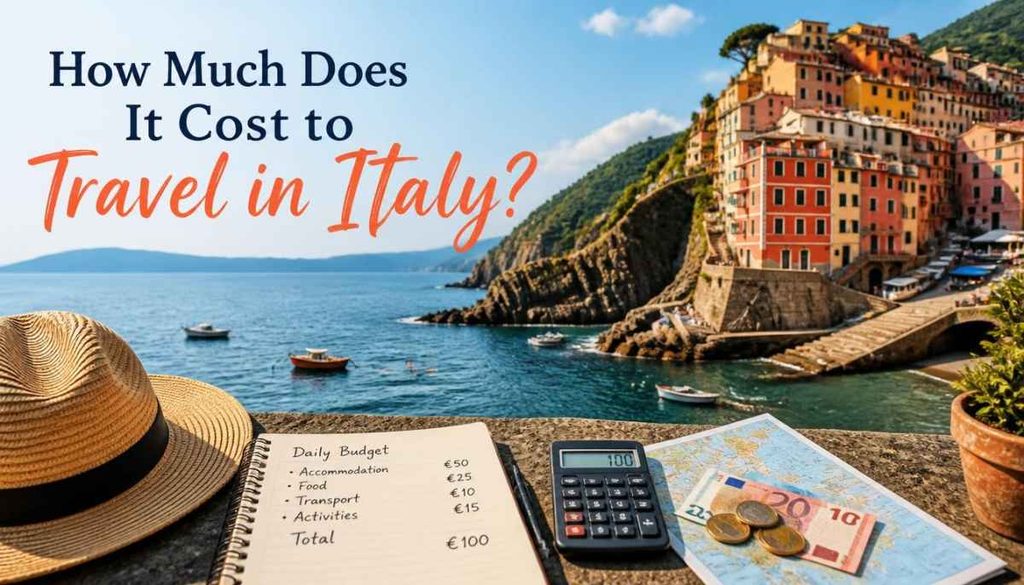
The cost of traveling in Italy depends on your accommodation, season, food choices, transport, and sightseeing plans. A traveler staying in a hostel and eating inexpensive meals will spend much less than someone booking a private hotel room, eating at restaurants several times a day, and taking guided tours.
For a budget trip to southern Italy, a daily allowance of around €55 to €90 per person can be a useful starting point. More expensive destinations and peak summer dates can push the total higher.
| Expense | Budget planning estimate |
|---|---|
| Hostel bed or simple shared accommodation | €25 to €50 per night |
| Basic private room or guesthouse | €40 to €90 per night |
| Breakfast from a local cafe | €3 to €7 |
| Inexpensive lunch | €6 to €12 |
| Casual dinner | €10 to €20 |
| Local public transport | €3 to €10 per day |
| Free or low cost sightseeing | €0 to €15 per day |
These figures are illustrative planning ranges, not guaranteed prices. Accommodation is usually one of the biggest expenses, and a private room can cost more than the food and local transport combined.
Also remember that a per person daily budget may be higher for a solo traveler because one person pays the full price of a private room. Couples sharing a room can often reduce the accommodation cost per person.
North Italy vs South Italy: Which Is Cheaper?
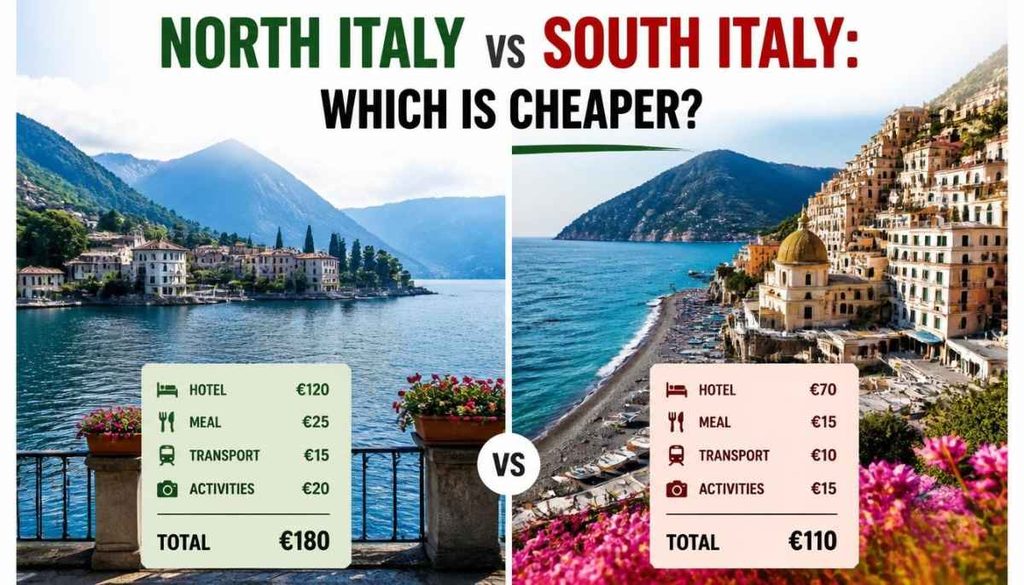
Southern Italy is generally a strong choice for travelers who want to keep everyday costs down. Cities and towns in Sicily, Calabria, Campania, Puglia, and Basilicata often offer affordable local food and accommodation compared with Italy’s most famous tourist destinations.
Northern Italy is not uniformly expensive, though. Cities such as Turin and Genoa, along with less visited towns in several northern regions, may offer good value compared with Venice or central Milan.
The biggest factor is often the exact place you choose, rather than simply whether it is in the north or south.
Food Costs
Southern cities such as Naples and Palermo are known for inexpensive local specialties, bakeries, and street food. A simple meal can be a more economical option than a full service restaurant near a major attraction.
In expensive tourist areas, menus and restaurant prices may be higher. Walking a few streets away from a busy landmark can help you find more local options.
Accommodation Costs
Accommodation prices vary according to season, location, and demand. A simple guesthouse in a less visited southern town may cost much less than a hotel near a famous attraction in Venice or Florence.
However, coastal destinations can become expensive in July and August, even in southern Italy. Compare several areas and check the final price, including taxes and cleaning fees where applicable.
Choosing the Right Region
Choose Sicily if food, history, and a variety of cities appeal to you. Consider Calabria if beaches and quieter coastal towns are your priority. Puglia works well for a combination of architecture, seaside destinations, and regional food.
If you want to visit northern Italy, consider destinations outside the most famous tourist centers and compare transport costs before deciding where to stay.
When Is the Cheapest Time to Visit Italy?
The cheapest time to visit Italy depends on the region and the kind of trip you want. Winter often brings lower prices in major cities, while coastal destinations may have reduced services and cooler weather.
For many travelers, April, May, September, and October offer a useful balance between comfortable sightseeing weather and prices below the busiest summer levels. Actual savings vary with holidays, local events, and demand.
Winter Travel
November, January, and February can be good months for budget city breaks in places such as Naples, Palermo, and Catania. You may find fewer visitors and better accommodation options, although some coastal businesses operate reduced hours.
Winter is not automatically cheaper everywhere. Ski destinations in northern Italy can be expensive during the ski season, and festive events may increase prices in certain cities.
Spring and Autumn
Spring and autumn are appealing for walking tours, historic towns, and sightseeing without the strongest summer heat. These seasons can be particularly comfortable for destinations such as Matera, Lecce, and Palermo.
Book early if your dates overlap with Easter, public holidays, festivals, or major local events.
Summer Travel
July and August are popular for beaches, but demand can push accommodation and transport costs upward. If you must travel during summer, consider staying a little away from the most famous coastal centers and booking accommodation well ahead of time.
How to Travel Around Italy on a Budget
Choosing an affordable destination is only half the job. Transport can also affect your overall budget, especially if you want to visit several regions during a short trip.
Use Regional Trains
Regional trains can be a practical way to travel between many Italian cities and nearby towns. Unlike some high speed services, regional fares often follow set price structures, but routes, availability, and ticket conditions vary.
Check the journey time and the location of each station before booking accommodation. A cheap hotel far from useful transport can end up costing more in time and taxi fares.
Compare Long Distance Buses
Long distance buses may be cheaper than trains on selected routes, particularly if you book ahead. The trade off is that journeys can take longer and departure points may be outside the historic center.
Compare the total journey, including getting to and from the bus station, rather than choosing solely on ticket price.
Avoid Unnecessary Car Rental
A rental car can be useful in rural areas or for reaching remote beaches, but it is not always necessary in cities. Parking, fuel, tolls, insurance, and restricted traffic zones can add considerable costs.
If you want to explore a region such as Puglia or Calabria, compare a car based itinerary with public transport before committing.
Stay Longer in One Base
Moving between several hotels can increase transport expenses and leave less time for sightseeing. Choosing one affordable base and taking selected day trips can make a short holiday simpler and less expensive.
For example, Naples works well for some Campania excursions, while Bari can be useful for exploring parts of Puglia. Always check current connections and return schedules before planning a day trip.
Practical Tips to Save Money in Italy
A few small choices can make a meaningful difference to the final cost of your holiday.
Eat Where Local Residents Eat
Look for bakeries, markets, casual pizzerias, and neighborhood trattorias. Lunch specials can be good value, while restaurants directly beside major attractions may charge more for a similar meal.
Check the menu before sitting down, especially in busy tourist areas.
Book Accommodation Carefully
Compare the total price rather than the advertised nightly rate. Check location, transport connections, cancellation terms, and any additional charges.
If you are traveling in summer, book earlier when possible. Waiting until the last minute can leave you with fewer affordable choices.
Prioritize Free Attractions
Historic streets, public squares, viewpoints, beaches, and many churches can be enjoyed without an admission fee. Paid museums and tours are worthwhile when they match your interests, but you do not need to buy a ticket for every attraction.
Check Drinking Water Options
Many Italian towns have public drinking fountains, but availability and local rules vary. Use fountains clearly intended for drinking water and carry a reusable bottle where convenient.
Check Local Transport Passes
A city transport pass may save money if you plan to make several journeys in one day. If you will mostly walk, buying a pass may not be worthwhile.
Compare the price of individual tickets with the journeys you realistically expect to make.
Frequently Asked Questions
What Is the Cheapest Place to Travel in Italy?
Palermo is one of the best value major cities for travelers seeking inexpensive food, historic attractions, and affordable accommodation. Naples is another strong choice, while smaller destinations in Calabria and Basilicata may offer good value for coastal or cultural trips. The cheapest option for you depends on flight prices, dates, and where you stay.
Is Southern Italy Cheaper Than Northern Italy?
Southern Italy is generally more affordable for everyday travel than highly visited destinations such as Venice and Florence. However, costs vary by town and season. Some northern cities and less touristy areas can also offer good value, while famous southern beach resorts may become expensive in summer.
How Much Money Do I Need for a Week in Italy?
For a budget trip based in an affordable southern destination, you might plan around €385 to €630 per person for seven days of everyday expenses. This estimate assumes approximately €55 to €90 per day and excludes international flights. Your actual total will depend on accommodation, travel between cities, sightseeing, and eating habits.
What Is the Cheapest Month to Visit Italy?
November, January, and February can offer lower prices in many cities, although the weather is cooler and some coastal services may be limited. April, May, September, and October can provide a useful balance between weather and cost. Check local events and accommodation prices for your specific dates.
Is Sicily a Good Destination for Budget Travelers?
Yes. Sicily offers historic cities, local markets, regional food, beaches, and archaeological sites. Palermo and Catania are particularly useful city bases. However, island travel can add costs, so compare flights, trains, buses, and car rental before choosing an itinerary.
Can I Travel Around Italy Without Renting a Car?
Yes, many major cities and popular routes can be explored using trains and buses. Naples, Palermo, Catania, Bari, and other transport connected cities can work well without a car. Remote villages and some beaches are less convenient, so check local connections before booking.
Is Italy Affordable for Couples?
Italy can be affordable for couples who choose budget friendly destinations, share accommodation, and use public transport. Sharing a private room can reduce the accommodation cost per person. A realistic budget still depends on travel dates, restaurant choices, and the number of paid activities.
Which Italian City Is Best for a First Time Budget Trip?
Naples is a strong option for first time visitors because it combines food, history, urban sightseeing, and access to Pompeii and other nearby destinations. Palermo is another good choice if you want Sicilian culture and street food. Choose the city that best matches your interests and arrival options.
Final Thoughts
The cheapest place to travel in Italy is not necessarily the destination with the lowest hotel price. It is the place where accommodation, food, local transport, and sightseeing fit your budget while giving you the kind of trip you actually want.
Palermo and Catania are excellent starting points for exploring Sicily, Naples offers a lively city break with memorable day trips, and Lecce, Matera, and Calabria provide different ways to experience Italy without relying on its most expensive tourist centers.
Compare the full cost of your dates, travel in a quieter season when possible, and choose a base that makes sightseeing easy. With a little planning, you can enjoy Italy’s food, history, architecture, and coastline without spending more than you need to.