Best Time to Visit Nashville
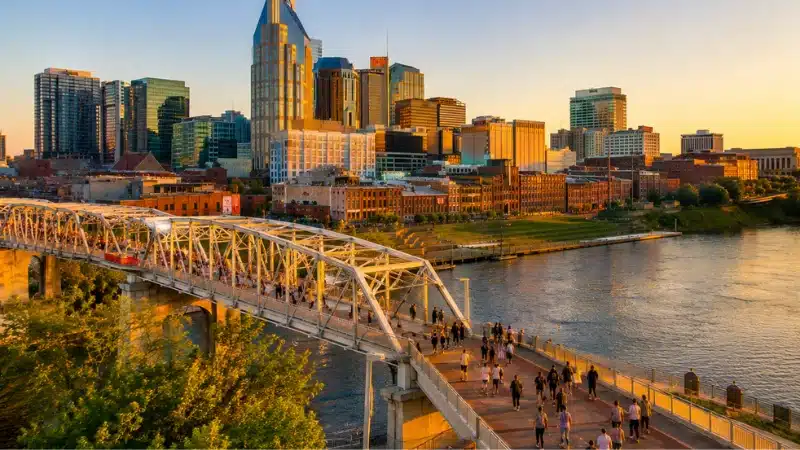
A bride’s Instagram post is usually the reason someone starts googling this. Nashville books out more bachelorette weekends than any other city in America, so the crowd on Broadway has less to do with the month you pick than with whether you land on a Saturday.
Weather still matters though. Spring (March to May) and fall (September to November) bring the most comfortable temperatures and the fullest event calendar, while winter cuts flight and hotel prices the most. The breakdown below covers both, weather by season and the crowd factors that show up regardless of it.
What Season Is Best to Visit Nashville?
Nashville sits in a humid subtropical climate zone, so the seasons swing hard. Summers run hot and humid, winters stay cold with occasional ice, and the shoulder seasons carry the best mix of comfortable temperatures and event density.
| Season | Weather | Crowds | Best For |
|---|---|---|---|
| Spring (Mar-May) | Mild, rising humidity, storm risk | Growing | Blooming parks, festivals, comfortable walking |
| Summer (Jun-Aug) | Hot, humid, upper 80s to 90 | Peak | Live music season, CMA Fest, patio nightlife |
| Fall (Sep-Nov) | Mild, drier than spring | Moderate to high | Sightseeing, cooler evenings, fewer storms |
| Winter (Dec-Feb) | Cold, occasional ice | Lowest | Budget trips, holiday lights, shortest lines |
Verified 1991-2020 National Weather Service normals: January is the coldest month with an average low near 28°F, July is the hottest with an average high around 89°F, May is the wettest month at just over 5 inches of rain, and October is the driest at under 3 inches.
Is Spring a Good Time to Visit Nashville?
Spring starts cool and builds into warm, comfortable days by May, with Centennial Park and Cheekwood’s blooms peaking in late March and April. It’s also festival season, with events like the Nashville Cherry Blossom Festival landing in this window.
There’s a real tradeoff most guides skip. May is the rainiest month of the year, and frequent visitors specifically call out March as the least predictable month to plan around, since it overlaps with Spring Break travel and can swing between mild and genuinely wet within the same week. Middle Tennessee also sits on the edge of Tornado Alley, and severe storm risk concentrates in spring more than any other season. None of this rules spring out, but it’s worth building a backup indoor plan into your itinerary rather than betting the whole trip on patio weather.
Should You Visit Nashville in Summer?
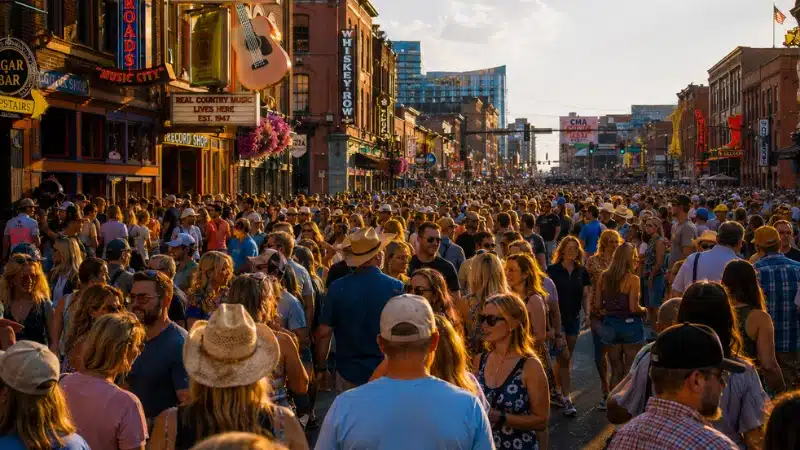
Summer is peak season for a reason. CMA Fest, one of the largest country music festivals in the country, lands June 4 through 7 in 2026 and draws tens of thousands of fans to Nissan Stadium and downtown stages, alongside a full slate of outdoor concerts through August.
It also brings the least comfortable weather, with highs regularly near 89°F and heavy humidity. Locals who visit repeatedly plan around early mornings and late evenings to dodge the midday heat, and hotel rates during CMA Fest week specifically spike well above a typical summer weekend, so booking months ahead matters more here than in any other stretch of the calendar.
What Makes Fall a Strong Choice for Nashville?
Fall rivals spring for comfort, and many repeat travelers rank it higher since it comes with less rain and fewer severe storm risks. Temperatures cool steadily from the 80s in September into the 60s by November.
The Tennessee State Fair and Americana Fest both fall in this window, and milder evenings make it a strong stretch for walking neighborhoods like 12 South and Germantown. Hotel rates run a bit higher on fall weekends than in winter, so booking a few months out helps.
Is Winter a Good Time to Visit Nashville on a Budget?
Winter is Nashville’s clearest value season. Flights and hotel rates drop noticeably from December through February, and attractions see their shortest lines of the year.

Temperatures typically sit in the 30s to upper 40s, with occasional ice rather than heavy snow. December is the exception that turns winter into an actual draw: Opryland Hotel’s and Cheekwood’s holiday light displays pull in visitors who normally skip the cold months entirely.
What Crowd Factors Have Nothing to Do With the Season?
This is the part most guides miss entirely. Nashville is the most popular bachelorette party destination in the United States by a wide margin, with more parties booked here annually than the next several cities combined. That means Broadway runs loud, crowded, and bachelorette-heavy nearly every single weekend, year-round, independent of what season you picked for “good weather.”
The second factor is one-off mega-events. A stadium draft, a marathon, or a major sports run can land in an otherwise quiet week and completely change the crowd math downtown. These don’t show up on a standard festival calendar, so it’s worth checking the city’s event calendar for the specific week you’re traveling, not just the seasonal highlights. For a fuller sense of what’s on regardless of when you go, check our full year-round guide to what’s happening in Nashville.
Which Time to Visit Nashville Fits Your Trip?
| If You Want | Visit In | Why |
|---|---|---|
| Best overall weather | April or October | Mild temps, lower humidity, manageable rain |
| Live music and festivals | June-August | Full concert calendar, CMA Fest, Bonnaroo nearby |
| Lowest prices | January-February | Cheapest flights and hotels of the year |
| Fewer crowds, still mild | Late September or early November | Shoulder season without peak-season pricing |
| A quieter Broadway | Any season, weekday | Bachelorette crowds hit hardest on weekends |
| Holiday atmosphere | Early to mid-December | Opryland and Cheekwood light displays |
If Broadway’s bachelorette-heavy energy isn’t your scene, we’ve rounded up quieter evening spots away from the busiest strip. And before locking in dates, it’s worth checking which Nashville neighborhood actually fits your trip, since basing yourself outside the densest party stretch changes how much any given weekend actually affects your trip.
Frequently Asked Questions
What is the cheapest month to visit Nashville?
January and February typically offer the lowest hotel and flight rates, since demand drops sharply after the holiday season.
Is Nashville too crowded on weekends?
Weekends bring the heaviest bachelorette party traffic on Broadway year-round, not just during festival season. Weekday visits are noticeably calmer regardless of the month.
Is Nashville too hot to visit in summer?
Summer highs regularly reach the upper 80s to 90°F with heavy humidity, which some travelers find uncomfortable for extended outdoor sightseeing. Early morning or evening plans help offset the heat.
Does it snow in Nashville in winter?
Nashville sees occasional light snow and ice rather than consistent heavy snowfall, with winter highs typically staying in the 40s.
Bottom Line on Timing Your Nashville Trip
April and October give you the best odds of comfortable weather without peak-season pricing. But weather is only half the equation. Check the specific week for one-off events, and if a quieter Broadway matters to you, weekdays will do more for that than any season will.
Check current conditions and seasonal averages directly through the National Weather Service before finalizing your packing list, and confirm festival and event dates through Visit Music City, Nashville’s official tourism site, since calendars shift year to year.
Start building out your day-by-day Nashville plan so your season and your schedule work together instead of against each other.