Best Hikes in Sequoia National Park (2026 Guide)
Most people drive into Sequoia, snap a photo at the General Sherman Tree, and leave feeling like they saw the park. But the ones who actually hike it come back with a completely different story. The trails here do something the roadside stops cannot: they put you in the middle of the forest with no crowds, no noise, and the kind of quiet that makes you forget what day it is.
Sequoia has hiking options for almost every ability level, from short paved loops through giant trees to full-day summit climbs with sweeping Sierra Nevada views. This guide covers the best hikes in Sequoia National Park in 2026, with honest details on difficulty, distance, and what actually makes each trail worth your time. If you want the full picture of the park before you lace up, start with our guide on things to do in Sequoia and Kings Canyon National Park.
What Are the Best Hikes in Sequoia National Park?
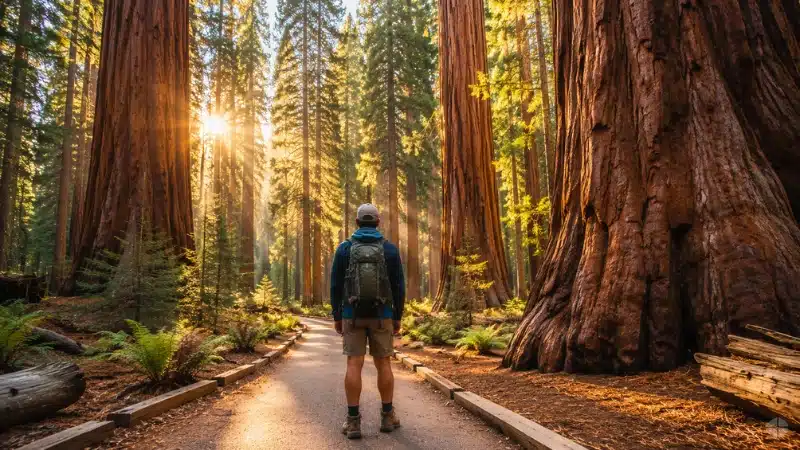
The best hikes in Sequoia National Park include the Congress Trail, Tokopah Falls, Moro Rock, Alta Peak, and the Lakes Trail. The park has trails for every experience level, from easy 1-mile loops to strenuous 13.5-mile backcountry routes. Most day visitors get the most out of the park by combining one short trail near the Giant Forest with one longer hike that gets them away from the main visitor areas.
Congress Trail: Best Easy Hike for First-Time Visitors
Distance: 2 miles round trip | Difficulty: Easy | Type: Loop
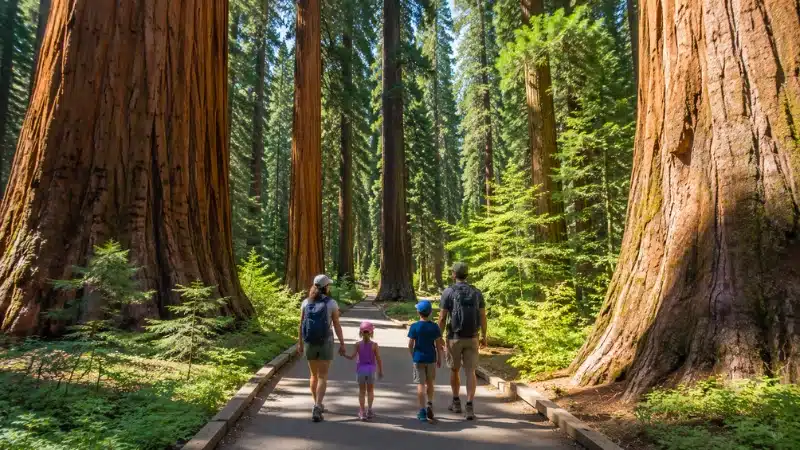
If you only have time for one trail, Congress Trail is the one to do first. It starts at the General Sherman Tree, the largest tree on Earth by volume, and loops through a dense section of the Giant Forest where the sequoias grow so close together that the canopy blocks most of the sky.
The trail is paved and accessible, which makes it a good choice for families, older visitors, and anyone who wants to be surrounded by massive trees without a difficult climb. That said, do not let the easy rating fool you into rushing. Most people who do this trail too quickly say afterward they wished they had slowed down and looked up more.
Go early in the morning if possible. The light filtering through the canopy in the first hour after sunrise makes the entire forest feel different, and the crowds that build through mid-morning have not arrived yet.
Tokopah Falls Trail: Best Hike for Waterfall Views
Distance: 3.4 miles round trip | Difficulty: Easy to Moderate | Type: Out and back
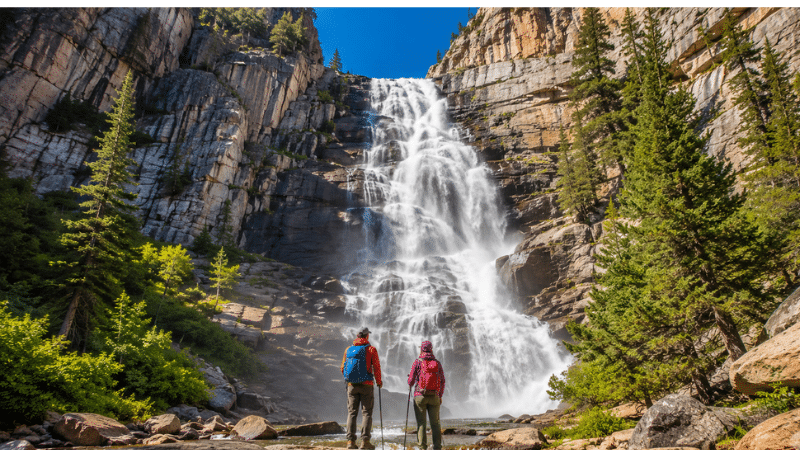
Tokopah Falls is one of the most rewarding easy hikes in Sequoia, following the Marble Fork of the Kaweah River through a wide granite valley before arriving at a 1,200-foot waterfall. The trail itself is relatively flat for most of the route, which makes it accessible to a wide range of hikers.
The best time to do this hike is spring or early summer when snowmelt pushes the waterfall to its full volume. Later in the season, the falls can shrink to a trickle. Wildlife sightings along the river corridor are common, particularly marmots and birds near the canyon walls.
Start from Lodgepole Campground and give yourself at least two hours round trip without rushing. This trail gets busy during peak summer weekends, so arriving before 8 a.m. makes a noticeable difference.
Moro Rock Trail: Best Short Hike for Big Views
Distance: 0.6 miles round trip | Difficulty: Moderate | Type: Out and back
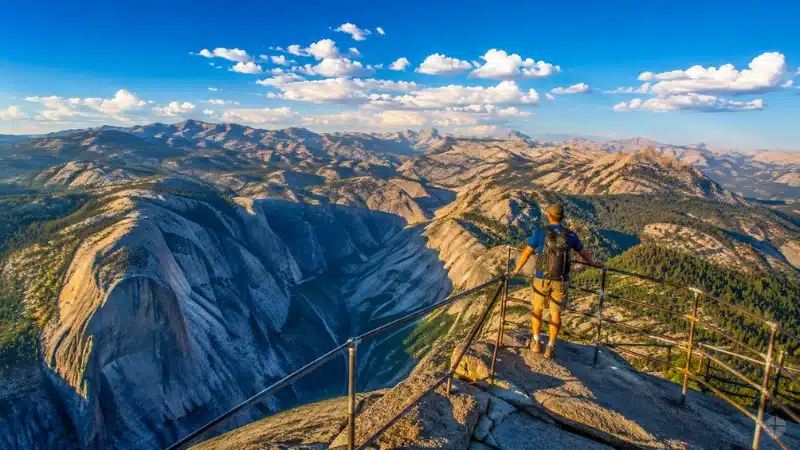
Moro Rock is not a long hike, but it earns its place among the best trails in Sequoia because the view at the top is exceptional. The trail climbs steeply up a granite dome via roughly 350 carved stone steps and metal railings, and the ascent takes most people about 20 to 30 minutes.
From the top, you get a wide open view of the Great Western Divide, the Kaweah River canyon, and on clear days the San Joaquin Valley more than 50 miles to the west. It is one of the few spots in the park where you can genuinely see how large the surrounding landscape is.
This trail is short enough to be added to any itinerary but busy enough that timing matters. Mid-morning and early afternoon bring the biggest crowds. Go at sunset if you want the most dramatic light with fewer people sharing the summit.
Big Trees Trail: Best Loop for Families and Easy Walkers
Distance: 1.5 miles | Difficulty: Easy | Type: Loop
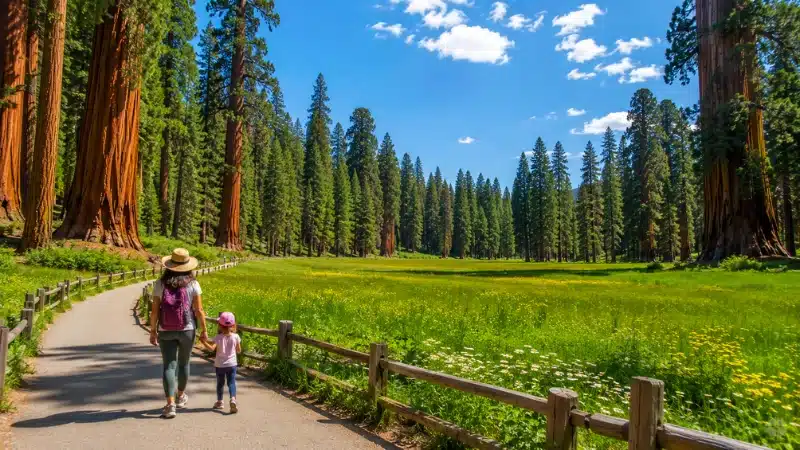
The Big Trees Trail circles Round Meadow and takes visitors through a mix of giant sequoias and open meadow views. It is flat, paved, and fully ADA-accessible, making it the most family-friendly option in the park. For visitors with limited mobility or anyone traveling with young children, this is the most accessible way to experience the giant sequoia environment without any difficult terrain.
What makes this trail worth doing even if you are not specifically looking for easy hiking is the open meadow perspective. Most sequoia trails put you under the canopy, but this one gives you a clear view of the trees against open sky, which makes the scale of the forest easier to appreciate.
Spring visits often bring wildflowers along the meadow edges, adding another layer to an already pleasant walk.
Crescent Meadow Loop: Best Quiet Hike Away from Crowds
Distance: Approx. 1.7 miles | Difficulty: Easy | Type: Loop
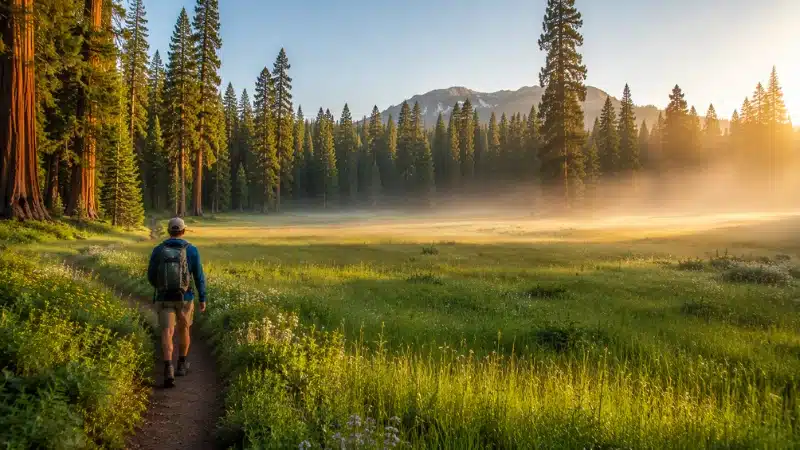
Crescent Meadow sits at the end of Crescent Meadow Road and feels noticeably quieter than the main Giant Forest area. The loop trail circles the meadow through old-growth sequoias and offers the kind of calm, unhurried forest experience that many visitors miss entirely by staying near the main visitor areas.
John Muir reportedly called this meadow the gem of the Sierra, and the description holds up. The combination of open water, tall grass, and old-growth forest creates a setting that feels completely removed from the busy parts of the park.
This is also a starting point for several longer trails, so if you want to extend the walk, you have good options available from here.
Lakes Trail to Heather Lake: Best Moderate Hike for Scenery
Distance: 8 miles round trip to Heather Lake | Difficulty: Moderate to Strenuous | Type: Out and back
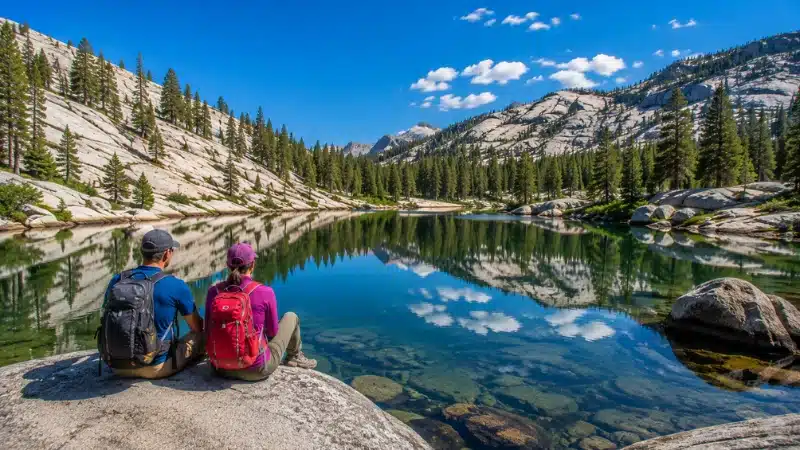
The Lakes Trail is one of the most scenic hikes in Sequoia and offers a few different stopping points depending on how much distance you want to cover. The first major destination, Heather Lake, is reachable after a moderate climb and gives you access to a beautiful high-elevation lake surrounded by granite.
Going further brings you to Aster Lake, Emerald Lake, and Pear Lake, each one more dramatic than the last. Most day hikers turn around at Heather or Aster Lake, which keeps the total distance manageable while still delivering a genuine backcountry feel.
Start from the Wolverton Trailhead and give yourself a full day. This trail sees far fewer visitors than the lower elevation routes, which makes it worth the extra effort.
Alta Peak Trail: Best Strenuous Hike with Summit Views
Distance: 13.5 miles round trip | Difficulty: Strenuous | Type: Out and back
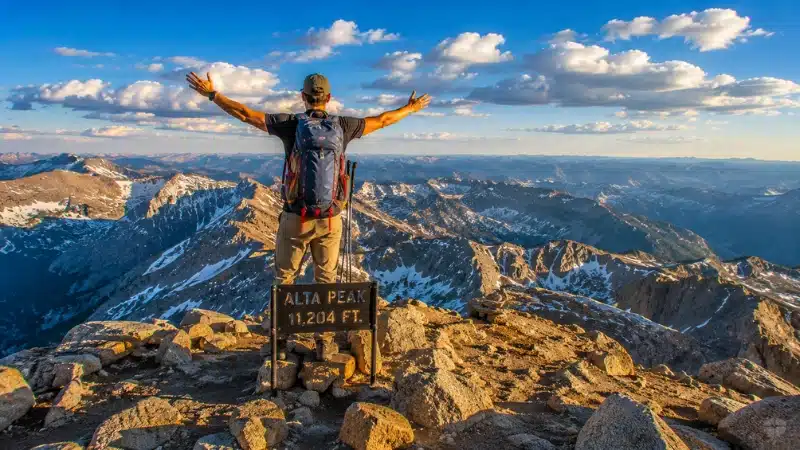
For experienced hikers who want a full-day challenge, Alta Peak is the most rewarding strenuous hike in the park. The trail climbs to 11,204 feet and delivers one of the finest panoramic views in the entire Sierra Nevada, taking in the Great Western Divide, the Kaweah Peaks, and the Kings-Kaweah Divide all at once.
This trail should only be attempted by hikers in good physical condition who are prepared for a long day out. Carry extra water, start early to avoid afternoon thunderstorms, and be aware that conditions can change quickly at higher elevations. Snow may remain on the upper section well into summer.
Very few visitors ever make it to Alta Peak, which means the summit experience feels completely different from anything else in the park.
Which Sequoia Hike Is Right for You?
| Hike | Distance | Difficulty | Best For |
| Congress Trail | 2 mi | Easy | First-time visitors, giant trees |
| Tokopah Falls | 3.4 mi | Easy-Moderate | Waterfall views, families |
| Moro Rock | 0.6 mi | Moderate | Best views, short on time |
| Big Trees Trail | 1.5 mi | Easy | Families, ADA accessibility |
| Crescent Meadow | ~1.7 mi | Easy | Quiet, crowd-free |
| Lakes Trail (Heather) | 8 mi | Moderate-Strenuous | Scenic backcountry |
| Alta Peak | 13.5 mi | Strenuous | Summit views, experienced hikers |
Practical Tips Before You Hit the Trail
Cell service is limited across most of the park. Download an offline map or pick up a paper trail map at the entrance station or visitor center before heading out.
Most trailheads in Sequoia do not have water sources unless you carry a filter or purification tablets. Bring more water than you think you need, especially on warmer days and on longer trails.
Bears are active throughout the park. Never leave food, snacks, or scented items in your car. Use bear boxes at trailheads where available and follow all National Park Service guidelines.
Trail conditions at higher elevations can change quickly, particularly in spring when snow still covers sections of trails like Alta Peak and the upper Lakes Trail. Check current conditions at the visitor center or on the park website before heading out on any long or strenuous route.
Frequently Asked Questions
What is the most popular hike in Sequoia National Park?
Congress Trail near the General Sherman Tree is the most visited trail. Tokopah Falls and Moro Rock are consistently ranked among visitors’ favorites as well.
Are Sequoia hikes dog-friendly?
Dogs are allowed on some paved trails, including the Big Trees Trail, but are not permitted on most backcountry or unpaved trails. Check current rules at nps.gov before you go.
Is hiking in Sequoia safe for beginners?
Yes. Trails like Congress Trail, Big Trees Trail, and Crescent Meadow are well-maintained and suitable for most fitness levels. Strenuous trails like Alta Peak should be reserved for experienced hikers.
When do trails open after winter?
Lower elevation trails are usually accessible year-round. Higher trails like Alta Peak typically open in late spring or early summer depending on snowpack. Always verify current access at nps.gov/seki before your trip.
Do you need a permit to hike in Sequoia?
Day hikes generally do not require permits. Overnight wilderness camping does require a permit. Check nps.gov/seki for the latest requirements during peak season.
Plan Your Sequoia Trip the Right Way
Sequoia rewards the hikers who show up early, pick trails that match their energy level honestly, and take time to slow down inside the forest. The trees are the reason people come, but the trails are how you actually experience them.
If you are still building out your full Sequoia itinerary, our guide to things to do in Sequoia and Kings Canyon National Park covers scenic drives, hidden spots, and planning advice that pairs well with everything in this guide. Go spend time in those trees. You will not regret a single mile of it.