New York Travel Tips for First Timers: 21 Things to Know Before Your First Trip

Visiting New York City for the first time can feel exciting and a little overwhelming. The city has famous landmarks, busy streets, world-class museums, diverse neighborhoods, and more places to eat than you could possibly fit into one trip. With so much to see, it is easy to overpack your schedule or spend more time traveling between attractions than actually enjoying them.
The best way to experience New York is to plan a few important activities in advance while leaving room for unexpected discoveries. Learn how the subway works, choose a convenient place to stay, wear comfortable shoes, and explore one neighborhood at a time.
Whether you are visiting for a weekend or spending a full week in the city, these New York travel tips for first timers will help you prepare, avoid common mistakes, manage your budget, and enjoy a smoother first visit.
1. Plan Your Trip, but Leave Room for Exploration
New York has so many attractions that trying to see everything in a single visit is unrealistic. A packed itinerary can leave you tired, rushed, and constantly checking the time.
Instead, choose a few experiences that matter most to you. You might want to visit the Statue of Liberty, walk through Central Park, see Times Square at night, or enjoy the skyline from an observation deck.
Build your daily plans around these priorities, then leave some open time for exploring. You may discover a small café, a street market, an interesting bookstore, or a neighborhood you had not originally planned to visit.
A flexible schedule also helps when the weather changes, an attraction takes longer than expected, or you simply want to spend more time somewhere you enjoy.
2. Choose the Best Area to Stay in New York City
Where you stay can make a noticeable difference to your first trip. New York is a large city, and choosing accommodation far from the places you want to explore can add unnecessary travel time.
For many first-time visitors, Manhattan is a convenient starting point because it has strong subway connections and easy access to several major attractions.
Here are a few areas worth considering:
- Midtown Manhattan: A practical base for visiting Times Square, Bryant Park, Rockefeller Center, and the Empire State Building. It is busy and can be expensive, but its central location is useful.
- Lower Manhattan: A good choice for exploring the Financial District, the 9/11 Memorial, the Statue of Liberty ferry departure area, and nearby neighborhoods.
- Upper West Side: A more residential atmosphere with access to Central Park, the American Museum of Natural History, and subway connections.
- Chelsea: Convenient for the High Line, Chelsea Market, art galleries, and parts of the West Side.
- Long Island City, Queens: Worth considering if you want to compare hotel prices while keeping subway access to Manhattan.
Do not choose a hotel based only on how close it looks to an attraction on a map. Check the nearest subway station, walking distance, neighborhood, and travel time to the places you plan to visit.
3. Learn How to Use the New York Subway
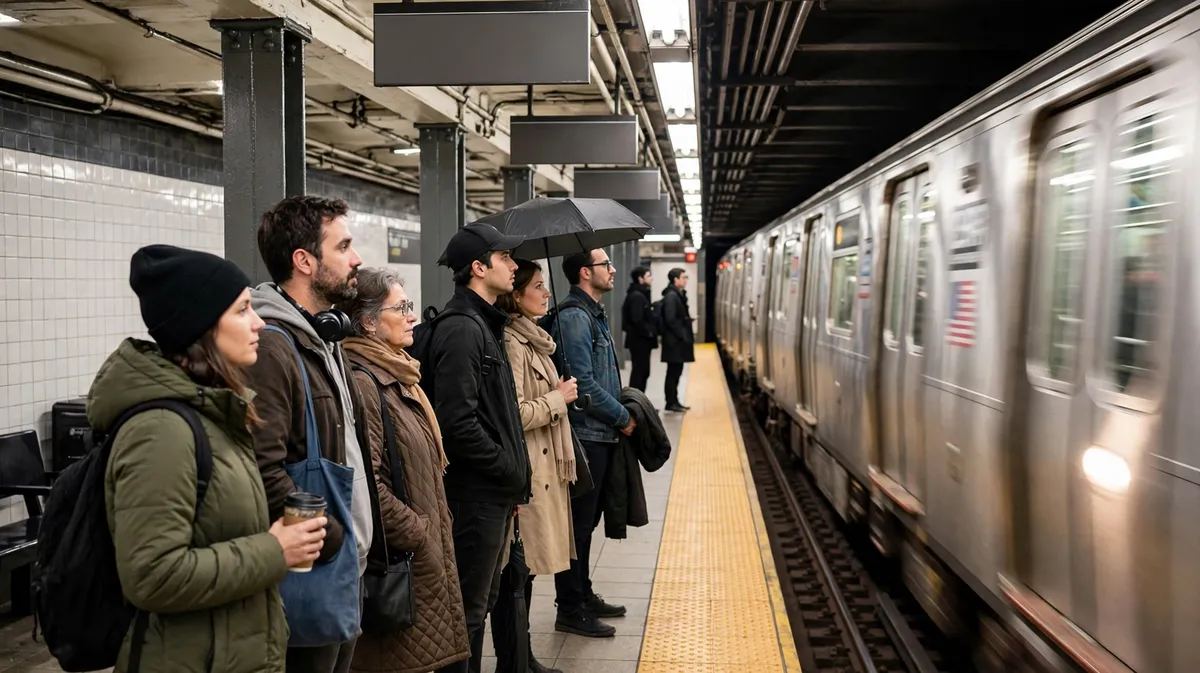
The subway is one of the most useful ways to travel around New York City. It connects many major neighborhoods and attractions, and it can save time compared with traveling by car through busy streets.
For first-time visitors, the subway may look confusing at first, but a few basic habits make it easier.
- Check whether your train is going uptown or downtown.
- Read the station signs before entering the platform.
- Confirm the train number or letter before boarding.
- Pay attention to express and local services because they do not always stop at the same stations.
- Use a navigation app to check routes and service changes.
- Keep your phone charged so you can access directions when needed.
New York’s subway operates around the clock, although service frequency and routes can change at night and on weekends. Always check current service information before an important journey.
4. Use Contactless Payment for Public Transportation
You do not necessarily need to buy a traditional transit card before using the subway. New York’s OMNY system allows riders to pay by tapping a contactless bank card, supported phone, smartwatch, or OMNY card at compatible subway turnstiles and buses.
A few things are worth remembering:
- Use the same payment method for your journeys.
- Make sure your bank card or mobile wallet supports contactless payments.
- Wait for the payment confirmation before entering.
- Avoid tapping multiple cards or devices at the same time.
- Check the current fare and fare-capping rules before traveling.
If you prefer not to use a bank card or mobile wallet, check the available OMNY card options. Transit payment arrangements can change, so confirm the latest information before your trip.
5. Wear Comfortable Shoes
One of the easiest mistakes first-time visitors make is choosing style over comfort. New York is a walking city, and even a day spent visiting a few attractions can involve several miles on foot.
You might walk through Central Park in the morning, explore Midtown in the afternoon, and spend the evening around Times Square. Add subway stairs, long museum visits, and busy sidewalks, and uncomfortable footwear can quickly ruin your day.
Pack supportive walking shoes that you have already worn. Avoid bringing brand-new shoes for the first time on your trip.
It is also helpful to carry a light jacket or an extra layer, depending on the season. Weather can change throughout the day, and comfortable clothing makes it easier to enjoy outdoor activities.
6. Do Not Underestimate Distances Between Attractions
New York can look compact on a map, especially when you are viewing Manhattan. However, walking between attractions may take longer than expected.
Two places that appear close together can still involve a long walk, crowded sidewalks, traffic crossings, or a subway journey.
Before leaving your hotel, check the actual walking or transit time between stops. Group nearby attractions together instead of crossing the city several times in one day.
For example, you could explore Rockefeller Center, St. Patrick’s Cathedral, and the surrounding Midtown area together. Another day could focus on Lower Manhattan, including the Financial District and nearby waterfront attractions.
This approach helps you spend less time commuting and more time experiencing the city.
7. Book Popular Attractions in Advance
Some New York attractions are popular throughout the year. Waiting until you arrive can limit your choice of entry times, especially during holidays and busy travel periods.
Consider booking ahead for:
- Empire State Building observation deck
- Top of the Rock
- SUMMIT One Vanderbilt
- Statue of Liberty and Ellis Island
- Broadway performances
- Popular museums and special exhibitions
If you are still deciding which attractions deserve a ticket, our guide to the best things to do in New York City can help you compare the main options.
Compare ticket options before paying. Some attractions offer timed entry, different experiences, or additional access that may not be necessary for your visit.
Do not book every activity simply because it is popular. Choose experiences that genuinely interest you and leave enough time to enjoy them without rushing.
8. Visit an Observation Deck for the New York Skyline
Seeing New York from above is an experience many first-time visitors look forward to. The skyline includes famous skyscrapers, bridges, rivers, and neighborhoods stretching in every direction.
Several observation decks offer different views:
- Empire State Building: A classic New York landmark with indoor and outdoor viewing areas.
- Top of the Rock: Offers views of Midtown and the Empire State Building.
- SUMMIT One Vanderbilt: Combines skyline views with immersive indoor experiences.
- Edge: Features an outdoor sky deck and a glass floor section.
You do not need to visit every observation deck. Choose one based on the views, experience, ticket price, and location that best suit your itinerary.
If you want to photograph the city, consider visiting around sunset. However, this is a popular time, so book ahead when timed tickets are available.
9. Walk Across the Brooklyn Bridge

Walking across the Brooklyn Bridge is one of the most memorable free experiences in New York City. The bridge connects Manhattan and Brooklyn and offers views of the skyline, East River, and surrounding landmarks.
For a more relaxed walk, try going early in the morning. The pedestrian path can become crowded later in the day, particularly during busy travel seasons.
Once you reach Brooklyn, spend some time exploring the DUMBO neighborhood. You can enjoy waterfront views, walk around Brooklyn Bridge Park, and find places to eat or relax.
Remember to stay in the designated pedestrian area and avoid blocking the path while taking photographs.
10. Explore More Than Just Manhattan
Many first-time visitors spend nearly their entire trip in Manhattan. Although the borough has plenty to offer, New York City has five boroughs, each with its own character.
Consider exploring beyond the most famous tourist areas.
Brooklyn: Visit DUMBO, Brooklyn Bridge Park, Williamsburg, or Prospect Park for waterfront scenery, restaurants, shops, and local culture.
Queens: Explore neighborhoods such as Astoria and Long Island City. Queens is also known for its wide variety of international food.
The Bronx: Consider visiting the New York Botanical Garden, the Bronx Zoo, or Arthur Avenue’s Italian food district.
Staten Island: Take the ferry for views of the Statue of Liberty and the Manhattan skyline.
You do not need to visit every borough on your first trip. Choose one or two that match your interests and give yourself enough time to explore.
11. Take the Free Staten Island Ferry
If you want to see the Statue of Liberty from the water without buying an expensive sightseeing cruise, the Staten Island Ferry is a useful option.
The ferry operates between Lower Manhattan and Staten Island. It provides views of the harbor, Statue of Liberty, and Manhattan skyline during the journey.
The service is free, so be cautious of anyone near the terminal trying to sell tickets for it.
Remember that the ferry does not take you onto Liberty Island. If you want to visit the statue and Ellis Island, you will need to book an official ticket for that experience.
12. Try Classic New York Food
Food is an important part of experiencing New York. The city brings together cuisines from around the world, so you can enjoy everything from traditional American dishes to meals inspired by communities across Asia, Europe, Africa, and Latin America.
During your first visit, try a few classic New York favorites:
- New York-style pizza: Known for its thin, foldable slices.
- Bagels: A popular breakfast choice, often served with cream cheese.
- New York cheesecake: A rich dessert with a smooth, creamy texture.
- Deli sandwiches: Generous sandwiches served at traditional city delis.
- Hot dogs: An easy street-food option when you want something quick.
- Pastrami sandwiches: A well-known New York deli specialty.
You do not have to eat at the most famous restaurant every time. Explore neighborhood cafés, local bakeries, and small food businesses for a more varied experience.
13. Understand Tipping Before You Eat Out
Tipping is a normal part of dining and several service experiences in the United States. Visitors from countries with different tipping customs may find this unfamiliar.
At full-service restaurants, customers commonly leave a tip based on the service and bill amount. The suggested percentages displayed on payment screens may vary, so check the bill before paying.
A few practical tips:
- Check whether a service charge or gratuity has already been included.
- Read the final bill carefully.
- Do not assume every payment screen requires the same tip.
- Carry a payment method that works internationally.
Tipping expectations can differ between restaurants, taxis, hotels, and other services. Understanding the local custom helps you avoid confusion when paying.
14. Enjoy Central Park Without Rushing

Central Park is one of the city’s most recognizable outdoor spaces. It offers walking paths, open lawns, lakes, gardens, bridges, and places to relax away from busy streets.
Instead of trying to cover the entire park, choose a few areas based on your interests.
You could visit Bethesda Terrace, Bow Bridge, the Mall, or the area around the Great Lawn. If you enjoy cycling, check the park’s cycling rules and designated routes before setting off.
Central Park is also a good place to slow down during a busy sightseeing schedule. Bring a snack, enjoy the surroundings, and give yourself time to explore.
15. See Times Square, but Do Not Spend Your Entire Trip There
Times Square is one of the most recognizable places in New York. Its bright advertisements, large digital screens, theaters, and crowds create an atmosphere that feels very different from other parts of the city.
Visit during the evening to see the illuminated billboards. You can also explore nearby Broadway theaters, restaurants, and shops.
However, remember that Times Square is only one part of New York. Spend time in quieter neighborhoods too, where you can experience local restaurants, parks, markets, and everyday city life.
Be careful around people offering photographs in costumes or approaching you with unexpected deals. Agree on a price before accepting any paid service.
16. Watch a Broadway Show if It Interests You
A Broadway performance can be a memorable part of a first New York trip. The Theater District offers musicals, plays, and long-running productions, with options for different interests and budgets.
If you have a particular show in mind, book through an official or authorized ticket seller. Popular performances and desirable seats can sell out.
If your schedule is flexible, you can also look into same-day ticket options and discount ticket booths. Availability and prices vary, so there is no guarantee of getting a ticket for a particular show.
Arrive early enough to find your seat without rushing. Check the theater’s rules about late seating, bags, and photography before attending.
17. Make Time for Free Things to Do in NYC
New York can be expensive, but you do not need to pay for every activity. Many of the city’s best experiences are free or cost very little.
Here are some ideas:
- Walk through Central Park.
- Explore the Brooklyn Bridge.
- Visit the Staten Island Ferry terminal and take the free ferry.
- Walk along the High Line.
- Explore public areas around Grand Central Terminal.
- Visit neighborhoods such as Chinatown and Greenwich Village.
- Enjoy the views from Brooklyn Bridge Park.
- Explore free museum hours or admission options where available.
If you want a ready-made plan, our 3-day New York itinerary covers the main attractions day by day.
Some museums have special free-entry periods, suggested admission arrangements, or discounted days. Check the current admission policy before visiting because conditions vary.
18. Avoid Common Tourist Traps
New York is a busy international destination, and tourist-heavy areas can attract people offering overpriced services or misleading deals.
Stay alert when someone approaches you unexpectedly, especially around major attractions.
Common situations to watch for include:
- Costumed characters asking for money after photographs.
- Unofficial ticket sellers near popular attractions.
- Pedicab rides with unclear pricing.
- People offering unexpected tours or services.
- Street games that appear easy but involve misleading rules.
Always ask about the full price before agreeing to a service. Use official ticket offices or trusted booking platforms for major attractions.
Keep your wallet, phone, and other valuables secure in crowded places. Avoid leaving bags unattended, and stay aware of your surroundings when using your phone.
19. Prepare for New York Weather
The best time to visit New York depends on the weather and the type of experience you want.
Spring and fall are popular because temperatures are often comfortable for walking. Summer brings outdoor events and long days, but it can also be hot and humid. Winter offers holiday decorations and seasonal activities, although temperatures can be very cold.
Pack according to your travel dates:
- Spring: Layers, a light jacket, and comfortable shoes.
- Summer: Breathable clothing, sunglasses, and a refillable water bottle.
- Fall: Sweaters, a light or medium jacket, and walking shoes.
- Winter: A warm coat, gloves, scarf, and suitable footwear.
Check the forecast shortly before departure. New York weather can change, so having an extra layer or compact umbrella can be useful.
20. Keep Your Travel Documents and Budget Organized
Before leaving for New York, make sure your travel documents are in order. International visitors should check the entry and visa requirements that apply to their nationality and travel circumstances.
Keep digital and physical copies of important information, including:
- Passport and travel documents.
- Hotel reservation details.
- Flight information.
- Attraction booking confirmations.
- Travel insurance information.
- Emergency contact details.
It is also helpful to plan a realistic daily budget. Your expenses may include accommodation, meals, transportation, attractions, shopping, and tips.
New York does not have one fixed daily travel cost. A budget traveler staying outside central Manhattan may spend very differently from someone booking a luxury hotel and several paid experiences.
Set aside some money for unexpected expenses rather than spending your entire budget on planned activities.
21. Use a Map and Group Attractions by Neighborhood
One of the smartest ways to save time in New York is to plan your days geographically.
Instead of visiting attractions randomly, group nearby places together. This reduces unnecessary subway journeys and gives you more time to enjoy each area.
For example, group nearby attractions as follows.
| Area | Places to explore |
|---|---|
| Midtown Manhattan | Times Square, Rockefeller Center, Empire State Building, Bryant Park |
| Lower Manhattan | 9/11 Memorial, Wall Street, Battery Park, Statue of Liberty ferry terminal |
| Upper Manhattan | Central Park, American Museum of Natural History, nearby museums |
| Brooklyn | Brooklyn Bridge, DUMBO, Brooklyn Bridge Park |
| Chelsea and West Side | High Line, Chelsea Market, Hudson River waterfront |
You can use a digital map to save attractions, restaurants, and subway stations before your trip. This makes it easier to adjust your plans while exploring.
Frequently Asked Questions About Visiting New York for the First Time
How many days are enough for a first trip to New York?
Four to five days is a good starting point for seeing several major attractions and exploring different neighborhoods. If you want to visit museums, attend a Broadway show, and explore more boroughs, consider staying for a week.
What is the best month to visit New York for the first time?
Spring and fall are popular choices because the weather is often comfortable for walking. April, May, September, and October can be good options, although conditions vary each year.
Is New York City safe for first-time tourists?
Millions of visitors explore New York every year. Use normal city precautions: stay aware in crowded areas, keep valuables secure, use well-lit routes at night, and choose licensed transportation.
What is the cheapest way to get around New York?
The subway and city buses are generally among the most affordable ways to travel around the city. Contactless OMNY payment makes using public transportation convenient for many visitors.
Can I explore New York without renting a car?
Yes. Most first-time visitors do not need a rental car. The subway, buses, walking, and occasional taxi or rideshare trips are usually enough for sightseeing.
What should I book before arriving in New York?
Book accommodation first, followed by any must-see attractions, popular observation decks, and Broadway performances. Having these essentials arranged gives you more flexibility during the rest of your trip.
Make Your First New York Trip Easier and More Enjoyable
Your first visit to New York does not need to be a race between famous attractions. Choose a convenient place to stay, learn the subway system, book a few important experiences, and organize your sightseeing by neighborhood.
Leave room for local food, quiet parks, waterfront walks, and unexpected discoveries. These smaller experiences can become just as memorable as the city’s famous landmarks.
With a little preparation and a flexible itinerary, you can spend less time worrying about logistics and more time enjoying everything New York has to offer.